Navigating Digital Burnout: Practical Meditation Solutions for Americans in a Tech-Driven 2026
In the year 2026, the digital landscape has evolved at an unprecedented pace, deeply integrating into every facet of American life. From smart homes anticipating our needs to AI-powered assistants managing our schedules, technology promises convenience and efficiency. Yet, this relentless connectivity has a darker side: the pervasive and often debilitating phenomenon of digital burnout meditation. Americans are increasingly finding themselves overwhelmed, exhausted, and disconnected, ironically, by the very tools designed to connect them. The constant influx of notifications, the pressure to be perpetually ‘on,’ and the blurring lines between work and personal life have created a perfect storm for mental fatigue and chronic stress. This article delves into the core of digital burnout, exploring its symptoms, causes, and, most importantly, offering practical, accessible meditation solutions tailored for the American experience in 2026.
Understanding digital burnout isn’t just about acknowledging stress; it’s about recognizing a systemic issue that impacts productivity, relationships, and overall well-being. The symptoms are varied and often subtle, ranging from persistent fatigue and irritability to difficulty concentrating and even physical ailments like headaches and eye strain. The causes are equally complex, stemming from factors like information overload, the fear of missing out (FOMO), the pressure of social media performance, and the sheer volume of digital interactions we engage in daily. As we navigate this complex terrain, it becomes imperative to equip ourselves with effective strategies to not just cope, but to thrive. Meditation, a practice rooted in ancient traditions but perfectly adaptable to modern challenges, emerges as a powerful antidote to the relentless demands of our digital age. It offers a pathway to reclaim our attention, restore our inner calm, and foster resilience against the tide of digital overwhelm.
This comprehensive guide will explore various meditation techniques, from quick, five-minute mindfulness exercises perfect for a busy workday to deeper, more structured practices for cultivating profound inner peace. We’ll discuss how to integrate these practices seamlessly into your daily routine, even amidst the clamor of a tech-saturated environment. Our focus is on practical, actionable advice that resonates with the unique challenges faced by Americans in 2026, ensuring that these solutions are not just theoretical but genuinely transformative. By the end of this article, you will have a clear understanding of how to leverage the power of meditation to combat digital burnout meditation, fostering a healthier, more balanced relationship with technology and, ultimately, with yourself.
The Digital Landscape of 2026: A Double-Edged Sword
The year 2026 marks a significant juncture in human-technology interaction. We are past the initial novelty phase of many digital innovations and are now fully immersed in a reality where AI, augmented reality, and hyper-connectivity are not just trends but fundamental aspects of daily life. For Americans, this means a world where remote work is often the norm, education is increasingly digitized, healthcare relies heavily on tele-medicine, and social connections are maintained through a myriad of platforms. While these advancements offer unparalleled opportunities for efficiency, access, and global communication, they also present unique challenges to our mental and emotional well-being.
The Pervasive Nature of Always-On Culture
One of the primary drivers of digital burnout meditation is the ‘always-on’ culture. With smartphones, smartwatches, and other wearable tech, we are constantly accessible. Work emails can arrive at any hour, social media feeds demand continuous attention, and news alerts bombard us with real-time updates from around the globe. This constant state of vigilance prevents our minds from truly disengaging and recharging. The boundaries between work and personal life have become increasingly blurred, leading to a perpetual sense of being ‘on call.’ This lack of true downtime significantly contributes to mental exhaustion and a feeling of being perpetually overwhelmed.
Information Overload and Decision Fatigue
The sheer volume of information we process daily in 2026 is staggering. From countless news sources and social media posts to professional documents and personal communications, our brains are constantly sifting through data. This information overload can lead to decision fatigue, where the mental energy required to make choices throughout the day is depleted, resulting in poor judgment, procrastination, and a general sense of apathy. The constant need to evaluate, respond, and filter information is a significant contributor to the cognitive strain associated with digital burnout meditation.
Social Media’s Impact on Self-Perception and FOMO
Social media platforms in 2026 are more sophisticated than ever, offering immersive experiences that can be both engaging and draining. The curated realities presented online often lead to unfavorable social comparisons, impacting self-esteem and fostering feelings of inadequacy. The fear of missing out (FOMO) is amplified, compelling individuals to constantly check their feeds, ensuring they are up-to-date with social events, trends, and news. This continuous engagement, driven by anxiety and comparison, is a major factor in the development of digital burnout meditation among Americans.
The Erosion of Deep Work and Focus
The constant pings and notifications from our digital devices are designed to grab our attention. While seemingly innocuous, these interruptions fragment our focus, making it challenging to engage in ‘deep work’ – sustained, uninterrupted concentration on a single task. The ability to concentrate is a muscle that needs to be exercised, but in a digitally saturated environment, it often atrophies. This erosion of deep work capacity not only reduces productivity but also diminishes the satisfaction derived from completing complex tasks, further fueling feelings of inadequacy and burnout.
Recognizing the Symptoms of Digital Burnout
Before we can effectively combat digital burnout meditation, it’s crucial to recognize its multifaceted symptoms. These can manifest in physical, emotional, and cognitive ways, often overlapping and exacerbating one another. Being attuned to these signs is the first step towards intervention and recovery.
Physical Symptoms
- Chronic Fatigue: Feeling constantly tired, even after adequate sleep. This isn’t just physical tiredness but a deep, pervasive mental exhaustion.
- Eye Strain and Headaches: Prolonged screen time can lead to digital eye strain (asthenopia), characterized by dry eyes, blurred vision, and frequent headaches.
- Sleep Disturbances: Difficulty falling asleep, restless sleep, or waking up frequently. The blue light emitted from screens can disrupt melatonin production, affecting circadian rhythms.
- Muscle Tension: Especially in the neck, shoulders, and back, often due to poor posture while using devices.
- Weakened Immune System: Chronic stress, a byproduct of burnout, can suppress the immune system, making individuals more susceptible to illness.
Emotional Symptoms
- Irritability and Short Temper: Feeling easily annoyed or frustrated, often disproportionately to the situation.
- Anxiety and Restlessness: A persistent feeling of unease, worry, or an inability to relax, even during downtime.
- Feelings of Detachment: A sense of being emotionally numb or disconnected from others and activities that once brought joy.
- Loss of Motivation: A diminished desire to engage in work, hobbies, or social activities.
- Increased Pessimism or Cynicism: A negative outlook on situations, people, and the future.
Cognitive Symptoms
- Difficulty Concentrating: Struggling to focus on tasks, easily distracted, and a reduced attention span.
- Memory Problems: Forgetting details, appointments, or having trouble retaining new information.
- Reduced Creativity and Problem-Solving: Feeling mentally stuck, unable to generate new ideas or find solutions to challenges.
- Procrastination: Delaying tasks, especially those requiring significant mental effort.
- Increased Errors: Making more mistakes than usual, both at work and in daily life.
If you recognize several of these symptoms in yourself or someone you know, it’s a strong indicator that digital burnout meditation is impacting well-being. Early recognition allows for proactive measures to mitigate its effects and begin the journey toward recovery.
Meditation as an Antidote to Digital Overwhelm
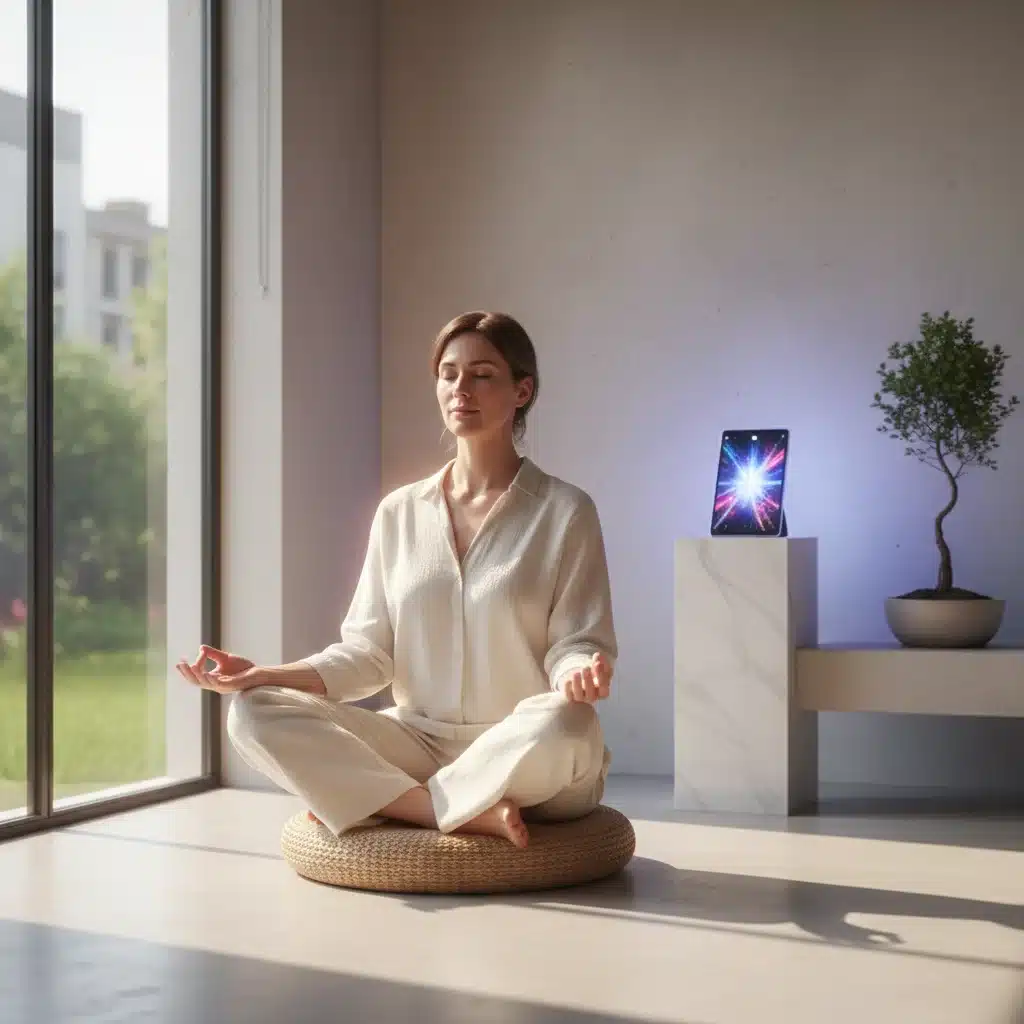
Meditation, often perceived as a mystical or complex practice, is fundamentally about training attention and awareness. In the context of digital burnout meditation, it serves as a powerful tool to counteract the cognitive fragmentation and emotional distress caused by excessive digital engagement. By intentionally shifting our focus inward, we can restore balance, cultivate inner peace, and build resilience against the constant demands of the tech-driven world.
How Meditation Works to Combat Burnout
- Restoring Focus and Attention: Regular meditation practice strengthens our ability to concentrate and sustain attention. By gently redirecting our minds back to the present moment, we train the ‘attention muscle,’ which helps us resist digital distractions and engage more deeply with tasks.
- Reducing Stress and Anxiety: Meditation activates the parasympathetic nervous system, often referred to as the ‘rest and digest’ system. This counteracts the ‘fight or flight’ response triggered by chronic stress, lowering heart rate, blood pressure, and reducing the production of stress hormones like cortisol.
- Enhancing Emotional Regulation: Through mindfulness meditation, we learn to observe our thoughts and emotions without judgment. This creates a space between stimulus and response, allowing us to react more thoughtfully rather than impulsively to digital triggers.
- Improving Sleep Quality: By calming the mind and body, meditation can significantly improve sleep patterns. A relaxed state before bedtime makes it easier to fall asleep and achieve deeper, more restorative rest.
- Cultivating Self-Awareness: Meditation fosters a deeper understanding of our internal states, helping us recognize the early signs of overwhelm and burnout. This self-awareness empowers us to take proactive steps to protect our well-being.
Practical Meditation Techniques for Americans in 2026
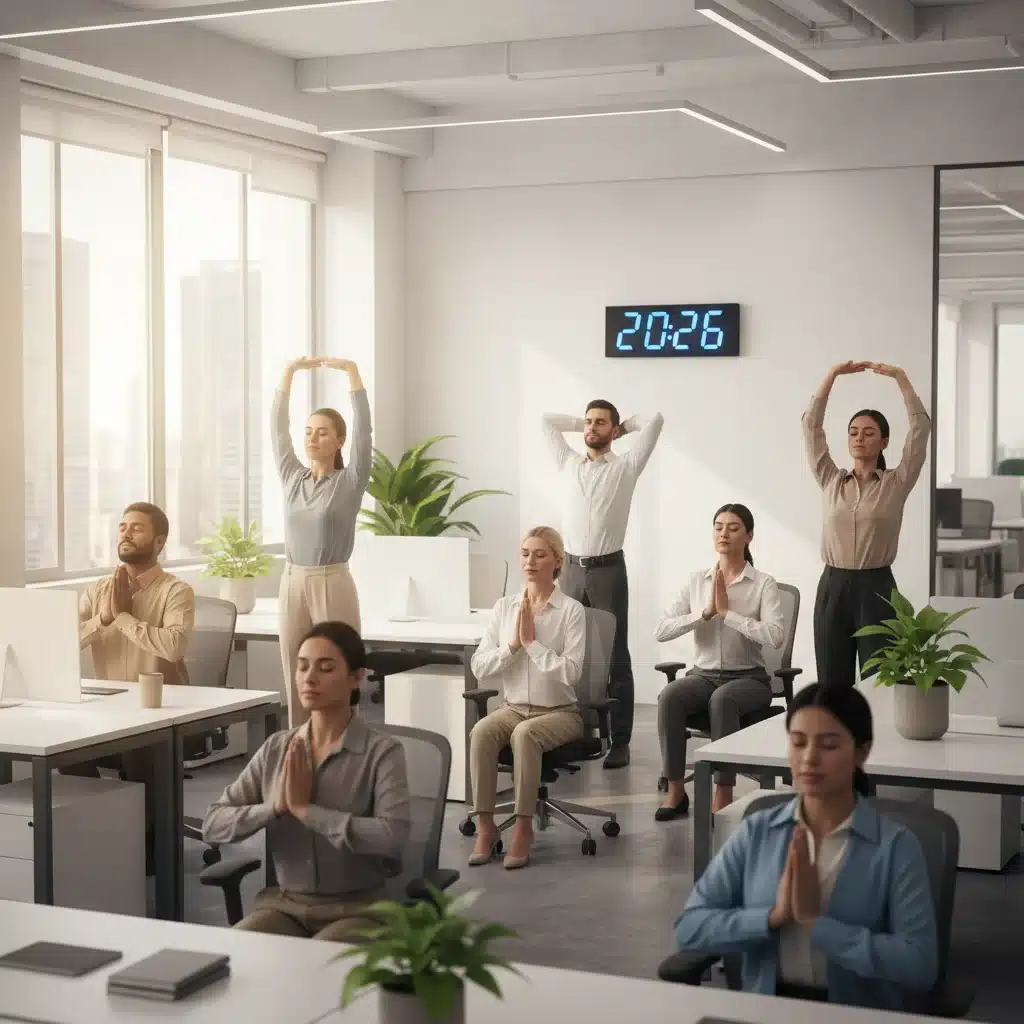
Integrating meditation into a busy American lifestyle in 2026 might seem daunting, but many techniques are designed for efficiency and accessibility. Here are some practical approaches to combat digital burnout meditation:
1. Mindful Breathing (5-10 minutes)
This is perhaps the simplest and most fundamental meditation practice. It can be done anywhere, anytime, making it ideal for quick breaks from screens.
- How to Practice: Find a comfortable seated position. Close your eyes or soften your gaze. Bring your attention to your breath. Notice the sensation of air entering and leaving your body – the rise and fall of your chest or abdomen. When your mind wanders (which it will), gently bring your attention back to your breath.
- Why it Helps Digital Burnout: Mindful breathing grounds you in the present moment, pulling you away from digital distractions and future worries. It calms the nervous system and re-centers your focus.
2. Body Scan Meditation (10-20 minutes)
A body scan helps you reconnect with your physical self, often neglected amidst constant digital engagement.
- How to Practice: Lie down or sit comfortably. Close your eyes. Bring your awareness to your toes. Notice any sensations without judgment. Slowly move your attention up through your body – feet, ankles, calves, knees, thighs, hips, abdomen, lower back, upper back, chest, fingers, hands, arms, shoulders, neck, face, and finally, the top of your head. As you scan each part, breathe into it, releasing any tension you find.
- Why it Helps Digital Burnout: This practice fosters interoception (awareness of internal bodily states) and helps release physical tension accumulated from prolonged screen time and stress. It can also improve body awareness, essential for ergonomic practices.
3. Walking Meditation (15-30 minutes)
A great way to combine physical activity with mindfulness, perfect for taking a break from your desk.
- How to Practice: Find a quiet path or even a long hallway. Walk at a natural pace. Bring your attention to the sensations of walking – the lift of your foot, the swing of your leg, the contact of your foot with the ground. Notice the sounds around you, the sights, the smells, without getting caught up in them. If your mind wanders, gently return to the sensations of walking.
- Why it Helps Digital Burnout: It provides a much-needed break from screens, engages your body, and helps clear your mind by focusing on a simple, repetitive action.
4. Digital Detox Meditation (Variable Duration)
This isn’t a single technique but an intentional practice of disengaging from digital devices, supported by mindfulness.
- How to Practice: Schedule specific times each day or week for a ‘digital detox.’ This could be an hour before bed, during meals, or a full day on the weekend. During this time, put away all screens. Engage in non-digital activities like reading a physical book, spending time in nature, engaging in conversation, or practicing another form of meditation. Use mindful breathing to stay present and resist the urge to check your phone.
- Why it Helps Digital Burnout: It creates essential boundaries between you and technology, allowing your mind to rest and reset. It reclaims time for analog experiences and human connection, which are vital for mental health.
5. Loving-Kindness (Metta) Meditation (10-15 minutes)
Digital interactions can sometimes foster negativity. Metta meditation cultivates positive emotions.
- How to Practice: Sit comfortably. Bring to mind someone you love, or simply yourself. Repeat phrases silently: ‘May I be happy. May I be healthy. May I be safe. May I live with ease.’ Extend these wishes to loved ones, then to neutral people, then to difficult people, and finally to all beings.
- Why it Helps Digital Burnout: It counteracts feelings of isolation, frustration, or negativity that can arise from online interactions, fostering compassion and positive emotional states.
Integrating Meditation into Your 2026 Digital Life
The key to successful digital burnout meditation is not to eliminate technology entirely but to cultivate a balanced and intentional relationship with it. Here’s how Americans in 2026 can integrate these practices seamlessly:
Schedule ‘Mindful Micro-Breaks’
Instead of mindlessly scrolling during short breaks, use those 5-10 minutes for mindful breathing or a quick body scan. Set a timer on your smart device to remind you to take these breaks every hour or two. Many meditation apps now offer ‘micro-meditations’ specifically for this purpose.
Create a ‘Digital Sunset’ Routine
Establish a strict ‘no screens’ policy an hour or two before bedtime. Use this time for a longer meditation practice, reading a physical book, or gentle stretching. This helps signal to your brain that it’s time to wind down, improving sleep quality crucial for combating digital burnout meditation.
Leverage Technology Mindfully
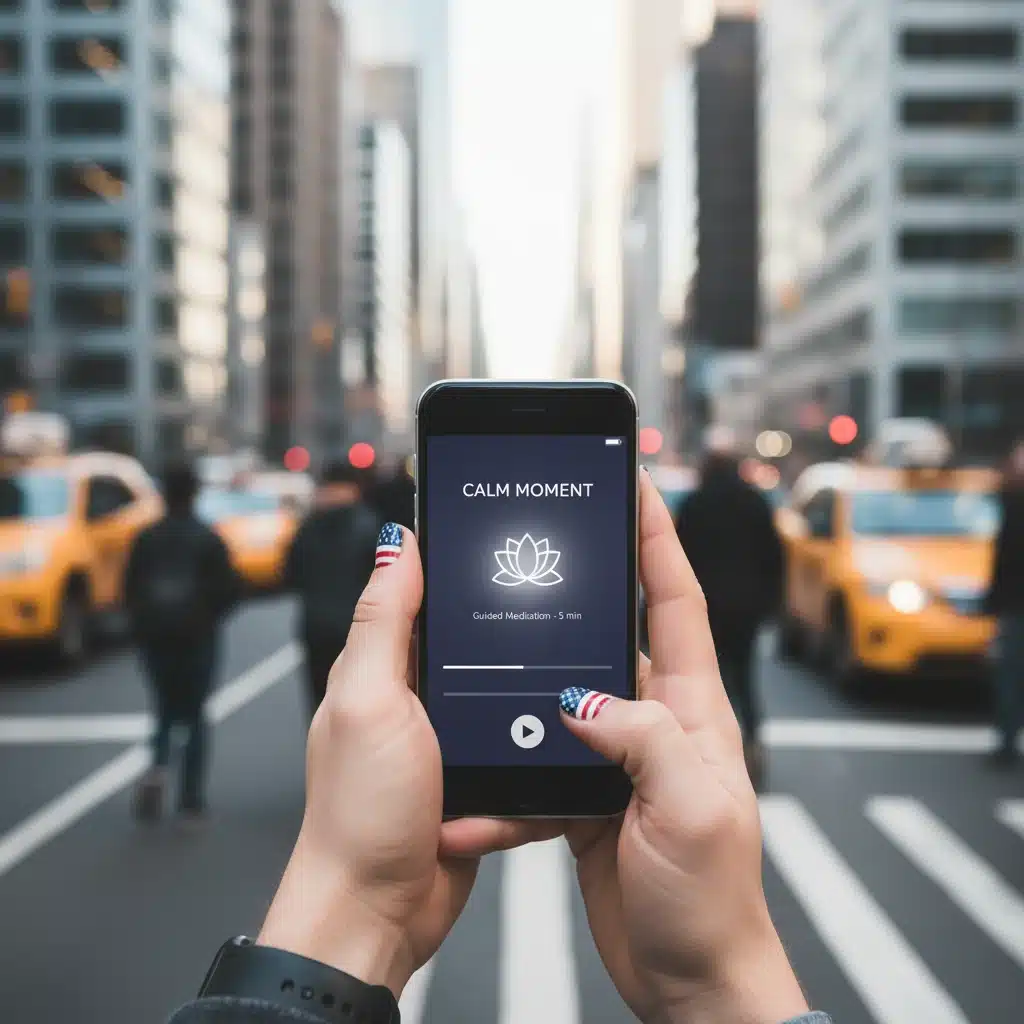
Ironically, technology can also be an ally. Utilize meditation apps (e.g., Calm, Headspace, Insight Timer) for guided meditations. Use ‘do not disturb’ modes, app timers, and screen time limits on your devices to create intentional boundaries. Focus modes on smartphones in 2026 are highly customizable, allowing you to silence non-essential notifications during dedicated work or meditation times.
Mindful Commuting
If you commute, use that time for mindful observation rather than immediately reaching for your phone. Observe the scenery, the sounds, or simply practice mindful breathing. If you’re using public transport, listen to a guided meditation rather than scrolling social media.
Designate ‘Tech-Free Zones’
Designate certain areas of your home as tech-free, such as the dining table or bedroom. This creates physical spaces where you can truly disconnect and engage in present-moment activities, fostering deeper connections with family and self.
Overcoming Common Challenges in 2026
Even with the best intentions, integrating meditation to combat digital burnout meditation can present challenges. Here’s how to navigate them:
“I Don’t Have Time”
This is the most common hurdle. Start small. Even 2-3 minutes of mindful breathing can make a difference. Think of it as charging your mental battery – a small charge is better than none. As you experience the benefits, you’ll naturally find more time. Use your calendar to schedule meditation just like any other important appointment.
“My Mind Won’t Stop Wandering”
That’s perfectly normal! The goal of meditation is not to stop thinking, but to notice when your mind wanders and gently bring it back. Each time you do this, you’re strengthening your attention muscle. Be patient and compassionate with yourself. Consistency is more important than perfection.
“I Can’t Get Comfortable”
Meditation doesn’t require sitting in a lotus position. Find a posture that is comfortable and allows you to remain alert. This could be sitting on a chair with your feet flat on the floor, lying down, or even walking. Experiment to find what works best for your body.
“It Feels Like Another Chore”
Reframe meditation from a ‘should do’ to a ‘get to do.’ Understand that it’s an investment in your well-being, not another task. Focus on the positive feelings and benefits you gain, rather than the act itself. If a particular technique feels like a chore, try a different one.
“I Feel More Anxious When I Meditate”
Sometimes, when we slow down, suppressed emotions or anxieties can surface. This is a natural part of the process. If it becomes overwhelming, consider practicing with a guided meditation or seeking guidance from a qualified mindfulness instructor or therapist. It’s important to approach these feelings with self-compassion.
Maintaining Consistency in a Fast-Paced World
In 2026, consistency is crucial. Use accountability partners, join online meditation communities, or set daily reminders. The cumulative effect of regular practice, even short bursts, is far more impactful than sporadic long sessions. Remember, you’re not just meditating; you’re building a sustainable habit that supports your mental health against the tide of digital burnout meditation.
The Future of Well-being: Beyond 2026
As we look beyond 2026, the integration of technology into our lives will only deepen. Therefore, the ability to manage our digital consumption and protect our mental well-being will become an increasingly vital skill. Meditation is not just a temporary fix for digital burnout meditation; it’s a foundational practice for fostering resilience, emotional intelligence, and sustained focus in an ever-evolving digital world. By embracing these practical meditation solutions, Americans can lead more balanced, purposeful, and fulfilling lives, harnessing the power of technology without becoming enslaved by it. The journey begins with a single mindful breath, a conscious choice to reclaim your inner peace amidst the digital hum.
Conclusion: Reclaiming Your Inner Calm in the Digital Age
The year 2026 presents a unique paradox: a world brimming with connectivity and innovation, yet simultaneously plagued by the silent epidemic of digital burnout. For Americans, the challenge is real – the constant demands of screens, notifications, and the ‘always-on’ culture can leave us feeling depleted, anxious, and disconnected from our true selves. This comprehensive exploration of digital burnout meditation has highlighted its pervasive symptoms and profound causes, emphasizing the urgent need for effective countermeasures.
Fortunately, the ancient practice of meditation offers a powerful and accessible antidote. By consciously cultivating attention and awareness, we can actively counteract the cognitive fragmentation and emotional distress that characterize digital overwhelm. From simple mindful breathing exercises that can be integrated into a busy workday to more profound body scan and walking meditations, these techniques provide a pathway to restore focus, reduce stress, improve sleep, and enhance emotional regulation. We’ve seen how integrating these practices, even in short bursts, can significantly impact our mental and physical well-being.
The journey to combat digital burnout meditation is not about abandoning technology, but about forging a more intentional and balanced relationship with it. By scheduling ‘mindful micro-breaks,’ implementing ‘digital sunset’ routines, leveraging technology mindfully to set boundaries, and designating ‘tech-free zones,’ we can reclaim our time, attention, and inner peace. Overcoming common challenges like perceived lack of time or a wandering mind requires patience, self-compassion, and consistent effort, but the rewards are immeasurable.
As we move forward, the ability to protect our mental well-being in a tech-driven world will not just be a luxury, but a necessity. Meditation is more than just a coping mechanism; it’s a fundamental skill for thriving in the 21st century. It empowers us to navigate the digital currents with grace, maintaining our equilibrium even amidst the busiest of times. Embrace these practical solutions, and embark on a transformative journey towards a healthier, more mindful existence in 2026 and beyond. Your peace of mind is not just a possibility; it’s a practice waiting to be cultivated.