Meditation Techniques for Modern Americans: A 2026 Comparison
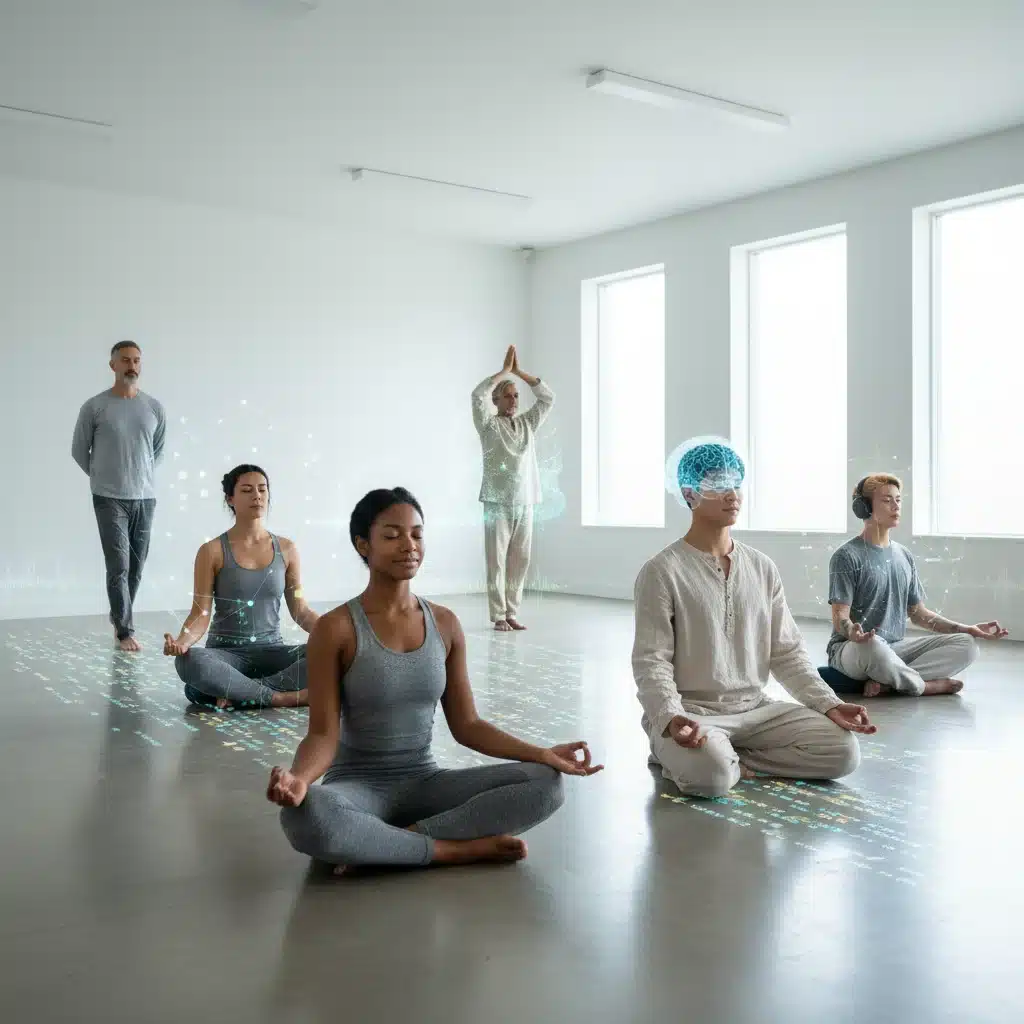
Meditation Techniques for Modern Americans: A 2026 Comparison
In the relentless pace of 2026, modern Americans are increasingly seeking solace and mental clarity. The digital age, with its constant notifications, information overload, and ever-present demands, has amplified stress and anxiety levels to unprecedented heights. As a result, the ancient practice of meditation has seen a spectacular resurgence, evolving to meet the unique challenges of contemporary life. But with a plethora of approaches available, how does one choose the most effective path to inner peace and enhanced well-being? This comprehensive guide delves into four popular meditation techniques comparison, offering insights into their methodologies, benefits, and suitability for the modern American lifestyle in 2026.
The concept of meditation, once confined to spiritual retreats and esoteric practices, has firmly entered mainstream discourse. Scientific research continues to validate its profound effects on brain health, emotional regulation, and physical well-being. From reducing chronic stress to improving focus and fostering compassion, the advantages are undeniable. However, the landscape of meditation is vast and varied, making an informed choice crucial for sustainable practice and tangible results. Understanding the nuances of each technique is the first step toward integrating this powerful tool into your daily routine and unlocking its transformative potential.
The Evolving Landscape of Meditation in 2026
The year 2026 presents a unique context for meditation. Technology, while often a source of distraction, has also become an invaluable ally, democratizing access to practices through apps, virtual reality experiences, and online communities. This accessibility means that more Americans than ever before are exploring meditation, often without prior exposure to traditional spiritual paths. Therefore, the effectiveness of meditation techniques comparison must consider factors like ease of integration into busy schedules, adaptability to diverse environments, and the ability to deliver measurable benefits quickly.
Moreover, the collective consciousness is shifting towards a greater emphasis on mental health and self-care. Employers are recognizing the benefits of mindfulness in the workplace, and schools are incorporating meditative practices into curricula. This widespread acceptance underscores the necessity of clear, practical guidance for individuals navigating their personal wellness journeys. Our exploration will provide that clarity, enabling you to make an empowered decision about which meditation technique resonates most deeply with your personal needs and aspirations for 2026 and beyond.
1. Mindfulness Meditation: The Ubiquitous Practice
What is Mindfulness Meditation?
Mindfulness meditation, arguably the most popular and widely adopted form in 2026, is rooted in Buddhist traditions but has been secularized and adapted for Western audiences. At its core, mindfulness is the practice of paying attention to the present moment, without judgment. This involves observing thoughts, feelings, bodily sensations, and external stimuli as they arise, simply noticing them without getting carried away or reacting. The primary goal is to cultivate an awareness of one’s inner and outer experiences, leading to greater clarity, emotional regulation, and a reduction in automatic, habitual reactions.
Typically, a mindfulness meditation session involves sitting comfortably, closing your eyes (or maintaining a soft gaze), and bringing your attention to your breath. When your mind wanders, as it inevitably will, you gently guide your attention back to your breath, or to whatever anchor you have chosen. This repeated act of returning to the present moment strengthens your ‘mindfulness muscle’ over time. It’s not about emptying your mind, but rather about changing your relationship with your thoughts and feelings.
Effectiveness and Benefits for Modern Americans in 2026
The effectiveness of mindfulness meditation is extensively supported by scientific research, making it a cornerstone in any meditation techniques comparison. For modern Americans, its benefits are particularly pertinent:
- Stress Reduction: By learning to observe stress rather than being consumed by it, individuals can significantly lower cortisol levels and mitigate the physiological impacts of chronic stress.
- Improved Emotional Regulation: Mindfulness helps create a space between stimulus and response, allowing for more conscious and less reactive emotional responses. This is invaluable in managing daily frustrations and interpersonal conflicts.
- Enhanced Focus and Concentration: Regular practice strengthens attention spans, a critical skill in an age of constant digital distraction. This translates to better performance at work and in personal tasks.
- Increased Self-Awareness: Understanding one’s own thought patterns and emotional triggers is foundational to personal growth and well-being.
- Accessibility: Mindfulness is highly adaptable. It can be practiced anywhere, anytime, from formal seated meditations to mindful walking, eating, or even washing dishes. Numerous apps and online resources make it incredibly easy to start.
Suitability for 2026 Lifestyle
Mindfulness meditation is exceptionally well-suited for the modern American lifestyle in 2026. Its secular nature makes it appealing to a broad audience, and its flexibility allows for integration into even the busiest schedules. Short, five-minute mindfulness breaks can be taken during work, commutes, or before sleep. The proliferation of guided mindfulness apps (e.g., Calm, Headspace) has made it accessible to millions, providing structured guidance for beginners and advanced practitioners alike. Its emphasis on present-moment awareness is a potent antidote to the future-oriented anxieties and past-regrets often fueled by our fast-paced society.
2. Guided Meditation: The Accessible Entry Point
What is Guided Meditation?
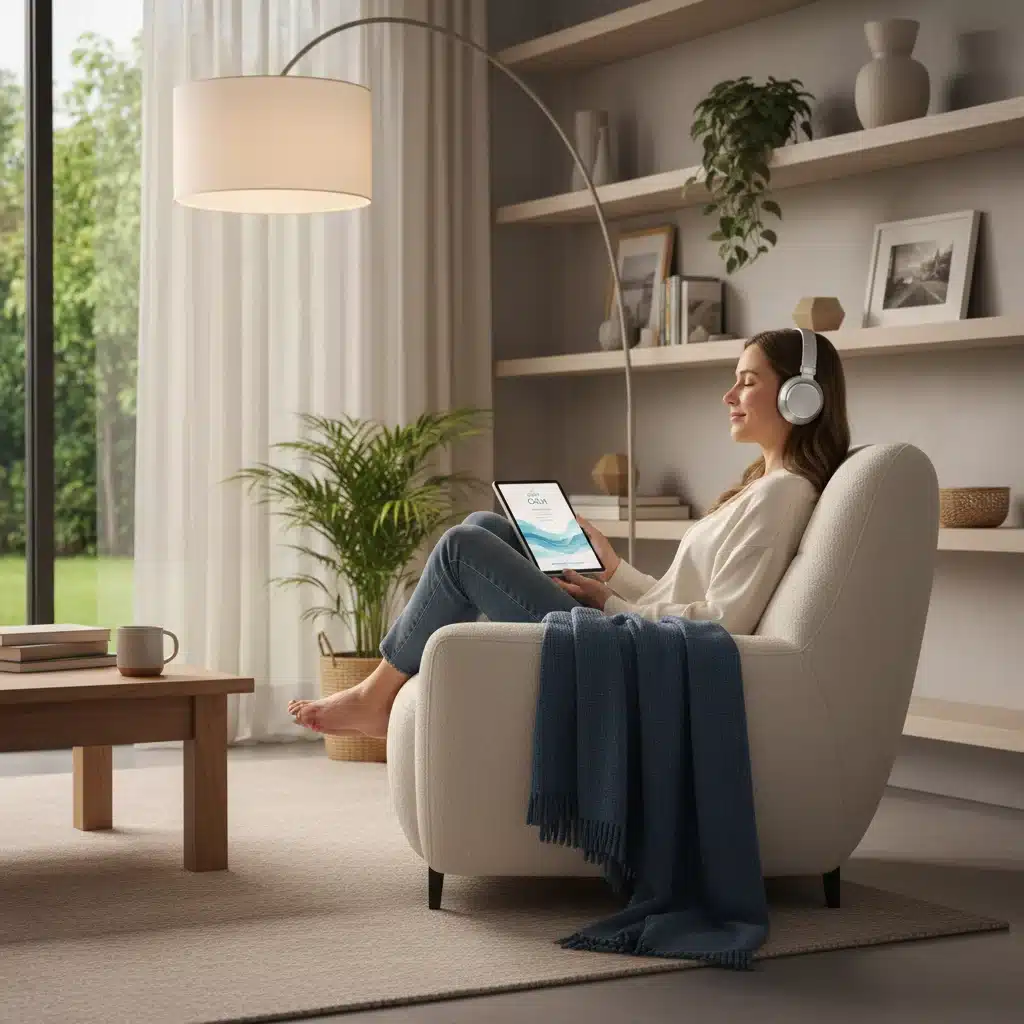
Guided meditation, often intertwined with mindfulness but distinct in its approach, involves being led through a meditation session by an instructor, either in person or, more commonly in 2026, via audio recordings. The guide provides instructions on what to focus on, such as breath, body sensations, visualizations, or affirmations. This technique is particularly beneficial for beginners who may find it challenging to sit in silence with their thoughts or to know exactly what to do during meditation. The instructor’s voice acts as an anchor, helping to keep the mind from wandering and providing a structured framework for the practice.
Guided meditations can vary widely in content and purpose. Some focus on relaxation and stress reduction, others on cultivating specific emotions like compassion or gratitude, and still others on visualization for goal setting or problem-solving. They can range from short, five-minute sessions to longer, more immersive experiences, often incorporating soothing music or nature sounds to enhance the atmosphere.
Effectiveness and Benefits for Modern Americans in 2026
The effectiveness of guided meditation is high, especially for those new to the practice, making it a crucial element in our meditation techniques comparison. Its benefits for modern Americans include:
- Ease of Access and Learning: The primary advantage is its user-friendliness. Beginners don’t need to understand complex theories; they just follow instructions. This lowers the barrier to entry significantly.
- Reduced Mental Effort: Having someone else lead the process can reduce the mental effort required to maintain focus, making the experience more relaxing and less intimidating.
- Variety and Customization: The sheer volume of guided meditations available on various platforms means individuals can find practices tailored to specific needs, moods, or desired outcomes (e.g., sleep, anxiety, focus, self-compassion).
- Immediate Relaxation: Many guided meditations are designed to induce relaxation quickly through progressive muscle relaxation, body scans, or calming visualizations.
- Structure and Consistency: For those who struggle with self-discipline, guided meditations provide a consistent framework that encourages regular practice.
Suitability for 2026 Lifestyle
Guided meditation is perfectly aligned with the modern American lifestyle in 2026. Its digital accessibility through apps, podcasts, and online platforms means it can be practiced almost anywhere with a smartphone and headphones – during commutes, lunch breaks, or before bed. The ability to choose a meditation based on the time available or a specific need makes it incredibly flexible. For individuals who crave structure and immediate results, guided meditation offers a comforting and effective entry point into the world of mindfulness and inner peace. It’s an excellent option for those who feel overwhelmed by the idea of ‘just sitting’ and need a helping hand to begin their journey.
3. Transcendental Meditation (TM): The Mantra-Based Approach
What is Transcendental Meditation?
Transcendental Meditation (TM) is a specific, mantra-based meditation technique that gained significant popularity in the Western world during the 1960s and continues to be practiced globally. Unlike mindfulness, which emphasizes open awareness, TM involves silently repeating a specific, personalized mantra (a sound, word, or phrase) to allow the mind to settle down and experience deeper states of consciousness. The technique is taught through a standardized, seven-step course by certified TM teachers.
The core premise of TM is that by effortlessly repeating the mantra, the mind naturally transcends thought activity and experiences a state of restful alertness, a unique state of consciousness distinct from waking, sleeping, or dreaming. This process is believed to dissolve stress and tension stored in the nervous system, leading to profound physiological and psychological benefits. TM is typically practiced for 15-20 minutes twice a day, usually in the morning and evening, sitting comfortably with eyes closed.
Effectiveness and Benefits for Modern Americans in 2026
TM boasts a substantial body of research supporting its effectiveness, making it a significant contender in any meditation techniques comparison. Its benefits for modern Americans in 2026 include:
- Deep Relaxation and Stress Reduction: Research indicates that TM can induce a state of deep rest, leading to significant reductions in stress, anxiety, and even blood pressure.
- Improved Cardiovascular Health: Studies have shown TM to be effective in reducing risk factors for heart disease and stroke, a critical concern for many Americans.
- Enhanced Cognitive Function: Practitioners often report improved focus, creativity, and problem-solving abilities.
- Reduced Insomnia: The deep relaxation experienced during TM sessions can lead to better sleep quality.
- Consistency of Practice: The structured nature of TM, with its specific mantra and twice-daily routine, often leads to high adherence rates among practitioners.
Suitability for 2026 Lifestyle
TM offers a powerful and consistent practice for modern Americans, though its suitability comes with specific considerations. The initial investment in learning TM is higher than other techniques, as it requires a certified teacher and comes with a fee. This can be a barrier for some. However, once learned, it is a self-sufficient practice that requires no apps or external guidance. Its twice-daily routine can be easily integrated into a structured day, and the deep rest it provides can be a vital antidote to chronic exhaustion. For those seeking a profound, effortless, and scientifically validated technique with a clear methodology, TM can be an excellent choice, particularly if they are committed to the initial learning phase and the discipline of regular practice. Its unique ability to provide deep rest without requiring intense concentration makes it appealing to those whose minds are constantly busy.
4. Vipassana Meditation: The Insightful Path
What is Vipassana Meditation?
Vipassana, meaning ‘to see things as they really are,’ is one of India’s most ancient meditation techniques, rediscovered by Gautama Buddha more than 2500 years ago. It is a rigorous practice rooted in self-observation and introspection, aimed at purifying the mind and eradicating mental impurities through direct experience. Unlike TM, there’s no mantra; unlike some forms of mindfulness, it extends beyond mere awareness to cultivate deep insight into the nature of reality, impermanence, suffering, and non-self.
The primary technique involves observing bodily sensations with equanimity, from the grossest to the most subtle, and understanding their impermanent nature. This often begins with focusing intensely on the breath at the nostrils (Anapanasati) to sharpen concentration, then moving to a systematic scanning of the body, observing sensations without reacting to them. The goal is to develop a profound understanding of the interconnectedness of mind and body, leading to liberation from suffering. Vipassana is traditionally taught in intensive, silent 10-day retreats, where participants adhere to a strict code of conduct and meditate for many hours each day.
Effectiveness and Benefits for Modern Americans in 2026
Vipassana is renowned for its transformative potential, making it a powerful contender in our meditation techniques comparison. Its benefits for modern Americans in 2026 include:
- Deep Self-Insight: By observing sensations and thought patterns without judgment, practitioners gain profound insights into their own minds, behaviors, and the root causes of their suffering.
- Eradication of Mental Impurities: The practice aims to systematically weaken and eventually eliminate negative mental habits like craving, aversion, and ignorance, leading to lasting peace.
- Enhanced Equanimity: Vipassana cultivates a deep sense of balance and non-reactivity, allowing individuals to navigate life’s ups and downs with greater stability.
- Increased Compassion: Understanding the universal nature of suffering through personal experience often leads to a greater sense of empathy and compassion for others.
- Long-Term Transformation: While challenging, the sustained effort in Vipassana can lead to fundamental shifts in one’s perception and way of being.
Suitability for 2026 Lifestyle
Vipassana meditation, particularly in its traditional form, is a significant commitment and requires a level of dedication that might be challenging for many modern Americans in 2026. The 10-day silent retreats, while transformative, are not easily integrated into busy schedules. However, for those seeking a profound and systematic path to self-discovery and mental purification, Vipassana offers unparalleled depth. It’s ideal for individuals who are serious about understanding the deeper mechanisms of their minds and are willing to dedicate significant time and effort. While daily short practices can be derived from the retreats, the full benefits are often realized through the intensive retreat format. It’s less about quick fixes and more about a lifelong journey of inner exploration, making it suitable for those who prioritize deep personal growth over immediate stress relief.
Choosing Your Path: A 2026 Guide to Meditation Techniques Comparison
After this detailed meditation techniques comparison, the question remains: which one is right for you in 2026? The answer largely depends on your individual needs, goals, and lifestyle. There is no one-size-fits-all solution, and what works for one person might not work for another. Here’s a summary to help you decide:
Consider Your Goals:
- Stress Reduction & General Well-being: Mindfulness Meditation and Guided Meditation are excellent starting points. They offer immediate relief and are highly adaptable.
- Deep Relaxation & Cardiovascular Health: Transcendental Meditation, with its effortless technique, is particularly strong in these areas.
- Profound Self-Insight & Mental Purification: Vipassana Meditation is the most rigorous path for those seeking deep, transformative understanding.
Consider Your Time Commitment:
- Minimal Time/Flexible: Guided Meditation and short Mindfulness practices can fit into even the busiest schedules (5-15 minutes).
- Moderate Time/Structured: Transcendental Meditation requires two 15-20 minute sessions daily, which, while consistent, is manageable.
- Significant Time/Intensive: Vipassana, especially in its traditional retreat format, demands a substantial time commitment (10 days or more for initial learning).
Consider Your Learning Style & Preference:
- Prefer Guidance & Structure: Guided Meditation is ideal.
- Prefer Self-Exploration with Simple Instructions: Mindfulness Meditation is a great fit.
- Prefer a Mantra-Based, Effortless Technique: Transcendental Meditation is your choice.
- Prefer Rigorous Self-Observation & Deep Inquiry: Vipassana Meditation is for you.
Starting Your Journey in 2026
Regardless of which meditation technique you choose, consistency is key. Even a few minutes of daily practice can yield significant benefits over time. For modern Americans in 2026, here are some practical tips for starting and sustaining a meditation practice:
- Start Small: Don’t aim for an hour-long session on day one. Begin with 5-10 minutes and gradually increase the duration as you feel comfortable.
- Use Technology Wisely: Leverage meditation apps (e.g., Calm, Headspace, Insight Timer) for guided meditations, timers, and tracking your progress.
- Find a Quiet Space: While meditation can be done anywhere, having a designated quiet spot free from distractions can greatly aid concentration, especially when starting.
- Be Patient and Kind to Yourself: Your mind will wander. That’s normal. The practice isn’t about stopping thoughts but about gently bringing your attention back. Don’t judge yourself for getting distracted.
- Consider a Community: Joining a local meditation group or an online community can provide support, motivation, and a sense of belonging.
- Educate Yourself: Read books, listen to podcasts, or attend workshops to deepen your understanding of your chosen technique.
The Future of Meditation in Modern America
As we look towards the future, the integration of meditation into various aspects of American life is only set to deepen. In 2026, we are witnessing a greater acceptance of mental wellness practices not just as a luxury, but as a fundamental component of health. The evolution of technology, including advancements in biofeedback and neurofeedback, may further personalize and enhance meditation experiences, making it even more effective and accessible. Virtual reality (VR) and augmented reality (AR) are already beginning to offer immersive meditative environments, providing an escape from urban stressors and a gateway to serene digital landscapes.
Furthermore, the convergence of traditional wisdom with modern science will continue to refine our understanding of how meditation impacts the brain and body. This ongoing research will undoubtedly lead to even more targeted and effective meditation techniques comparison, allowing individuals to select practices that are precisely calibrated to their unique physiological and psychological profiles. The emphasis will increasingly shift from simply ‘doing’ meditation to understanding its profound neurobiological underpinnings, fostering a more informed and empowered generation of practitioners.
The societal benefits of a more mindful population are immense. Reduced healthcare costs, improved productivity, decreased crime rates, and a more compassionate society are all potential outcomes of widespread meditation practice. As modern Americans continue to grapple with the complexities of a rapidly changing world, the ability to cultivate inner peace and resilience through meditation will become an indispensable skill, not just for individual well-being but for the collective health of the nation.
Conclusion: Embracing Inner Peace in 2026
The journey to inner peace and well-being in 2026 is a personal one, and the array of meditation techniques available reflects the diverse paths individuals can take. Whether you are drawn to the gentle awareness of Mindfulness, the structured guidance of Guided Meditation, the effortless depth of Transcendental Meditation, or the profound insight of Vipassana, each offers a unique set of tools to navigate the modern world. This meditation techniques comparison aims to equip you with the knowledge to make an informed choice, one that aligns with your personal goals and lifestyle.
Remember, the most effective meditation technique is the one you will consistently practice. Experiment, be open-minded, and don’t be afraid to try different approaches until you find what resonates. In a world that constantly pulls your attention outwards, dedicating time to cultivate your inner landscape is not a luxury, but a necessity. Embrace the power of meditation in 2026, and unlock a calmer, clearer, and more compassionate version of yourself.