The Future of Meditation Technology: What to Expect in the US Market by Late 2026
The landscape of mental wellness is undergoing a profound transformation, driven by an accelerating confluence of technology and mindfulness practices. As we approach late 2026, the United States market for meditation tech future is poised for explosive growth and innovation. From sophisticated AI algorithms personalizing our paths to inner peace to immersive virtual reality experiences transporting us to tranquil digital realms, the ways we engage with meditation are evolving at an unprecedented pace. This comprehensive exploration delves into the cutting-edge trends, emerging devices, and societal shifts that will define the meditation technology sector in the coming years, offering a glimpse into a future where mental well-being is not just supported, but actively enhanced by technological ingenuity.
The global meditation and mindfulness market, already valued in the billions, is projected to continue its upward trajectory, with the US playing a pivotal role in driving innovation and adoption. This isn’t just about new apps; it’s about a fundamental redefinition of how we access, practice, and benefit from mindfulness. The integration of advanced sensors, artificial intelligence, and virtual environments promises a more personalized, effective, and accessible meditation experience for millions. Understanding these shifts is crucial for consumers, investors, and practitioners alike as we navigate the exciting frontier of the meditation tech future.
The Rise of Personalized AI-Powered Meditation Platforms
One of the most significant advancements shaping the meditation tech future is the integration of artificial intelligence for hyper-personalized experiences. Gone are the days of one-size-fits-all guided meditations. By late 2026, AI algorithms will be adept at analyzing a user’s biometric data (heart rate variability, sleep patterns, stress levels from wearables), past meditation preferences, and even emotional responses (through tone analysis or facial micro-expressions, with user consent) to curate truly bespoke mindfulness journeys.
Adaptive Content Delivery
Imagine an app that understands your current mood and stress levels before you even open it, automatically suggesting a calming breathwork exercise or an energizing visualization. This is the promise of AI in meditation. These platforms will dynamically adjust the pace, tone, and content of guided meditations, offering real-time feedback and adapting the session based on how the user is responding. If your heart rate remains elevated, the AI might gently guide you towards deeper relaxation techniques; if you’re struggling with focus, it might introduce more engaging prompts.
Longitudinal Progress Tracking and Insights
Beyond immediate session adaptation, AI will provide invaluable longitudinal insights. Users will gain a deeper understanding of their stress triggers, the most effective meditation styles for their unique physiology, and how their practice impacts their overall well-being over time. Machine learning will identify patterns, such as how consistent morning meditation affects sleep quality or how certain types of meditation alleviate anxiety during specific periods. This data-driven approach transforms meditation from a purely intuitive practice into a scientifically informed journey of self-discovery, making the meditation tech future both deeply personal and highly effective.
Integration with Digital Health Ecosystems
These AI-powered meditation platforms won’t exist in isolation. They will seamlessly integrate with broader digital health ecosystems, sharing anonymized data (with explicit user permission) with other wellness apps, smart home devices, and even healthcare providers. This holistic view of an individual’s health will allow for more comprehensive wellness plans, where meditation is just one piece of a larger, interconnected puzzle. The synergy between different health technologies will amplify the benefits of each, driving the evolution of the meditation tech future.
Immersive VR and AR Experiences: Beyond the Physical Realm
Virtual Reality (VR) and Augmented Reality (AR) are set to revolutionize how we perceive and engage with meditation, offering unparalleled immersion and escapism. By late 2026, VR/AR meditation will move beyond novelty to become a mainstream component of the meditation tech future.
VR: Transporting Minds to Tranquil Worlds
VR headsets, becoming more affordable and accessible, will transport users to hyper-realistic or fantastical serene environments. Imagine meditating on a pristine beach, in a lush forest, or amidst a cosmic nebula, all from the comfort of your living room. These experiences will go beyond visual aesthetics, incorporating spatial audio, haptic feedback (e.g., gentle vibrations mimicking rain or a heartbeat), and even scent diffusers to create a multi-sensory immersion. The ability to completely block out external distractions and fully immerse oneself in a curated, calming environment will be a game-changer for many struggling to find peace in busy lives.
AR: Weaving Mindfulness into Daily Life
Augmented Reality, on the other hand, will integrate mindfulness into our existing physical surroundings. AR glasses or smartphone apps will overlay calming visual cues, guided breathing animations, or interactive mindfulness prompts onto our real-world view. Picture an AR app that detects signs of stress in your environment and subtly projects a calming visual filter or a gentle reminder to take a deep breath. This ‘always-on’ mindfulness support will help individuals integrate meditation seamlessly into their daily routines, transforming mundane moments into opportunities for reflection and calm. This ubiquitous presence will be a hallmark of the meditation tech future.
Therapeutic Applications and Group Sessions
Beyond individual practice, VR/AR meditation will find significant applications in therapeutic settings, helping individuals manage anxiety, chronic pain, and PTSD by providing safe, controlled environments for exposure therapy or guided visualization. Moreover, multi-user VR platforms will enable shared meditation experiences, allowing friends, families, or support groups to meditate together in a virtual communal space, fostering connection and shared well-being regardless of geographical distance. This communal aspect further enriches the meditation tech future.
Neurofeedback and Biofeedback Devices: Direct Brain Training
The meditation tech future will increasingly leverage neurofeedback and biofeedback technologies, offering users direct insights into their physiological and neurological states and empowering them to actively train their brains for better focus, calm, and emotional regulation.
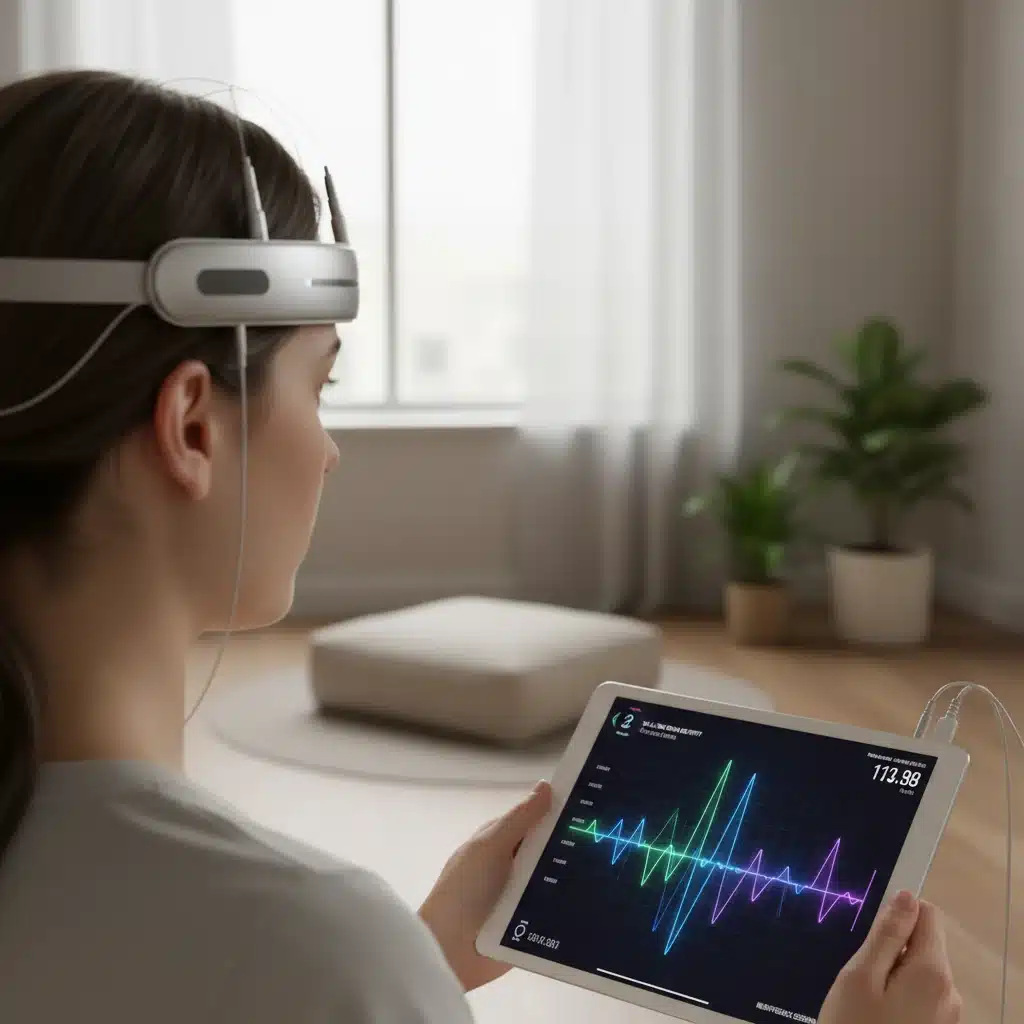
Neurofeedback Headbands and Wearables
By late 2026, compact, user-friendly neurofeedback headbands and other wearables will become more commonplace. These devices measure brainwave activity (EEG) in real-time, providing auditory or visual feedback that guides users into desired mental states. For instance, if your mind starts to wander during meditation, the device might play a subtle sound that fades as you regain focus, effectively training your brain to sustain attention. This direct, real-time feedback loop accelerates the learning process of meditation, making it more efficient and measurable.
Advanced Biofeedback Sensors
Beyond brainwaves, advanced biofeedback sensors will monitor a wider array of physiological markers. Smart rings, patches, and even smart clothing will track heart rate variability (HRV), skin conductance, muscle tension, and breath patterns. These metrics provide objective data on stress levels and relaxation responses. Apps will then use this data to guide users through breathing exercises, progressive muscle relaxation, or visualization techniques, helping them consciously regulate their body’s responses to stress. The synergy between neurofeedback and biofeedback will offer a powerful, holistic approach to mental training, defining a crucial aspect of the meditation tech future.
Gamification and Brain Training
To enhance engagement, neurofeedback and biofeedback will increasingly be gamified. Users will engage in ‘brain games’ where their ability to maintain a calm state or focus their attention directly influences gameplay, making the process of mental training both enjoyable and effective. This gamified approach will appeal to a broader demographic, including younger generations, and further normalize the use of technology for mental well-being, solidifying the playful yet powerful aspect of the meditation tech future.
Haptic Feedback and Multi-Sensory Integration
The meditation tech future is not just about what we see and hear; it’s also about what we feel. Haptic feedback, already prevalent in gaming and smart devices, will play a more significant role in meditation technology, enhancing immersion and guiding practice.
Wearable Haptic Devices
Haptic vests, wristbands, and even smart cushions will provide gentle vibrations or pressure to guide breathing, simulate a comforting touch, or enhance sensations of grounding. Imagine a vest that gently expands and contracts with your breath, providing a physical anchor for your respiratory rhythm, or a cushion that subtly vibrates to help you maintain posture and awareness. These tactile inputs add another layer of sensory engagement to meditation, making it a more embodied and profound experience.
Beyond Sight and Sound
The integration of haptic feedback with other sensory inputs – visual, auditory, and even olfactory (through smart scent diffusers that release calming aromas like lavender or sandalwood) – will create truly multi-sensory meditation environments. This holistic sensory immersion will be particularly beneficial for individuals who struggle with visual or auditory distractions, offering alternative pathways to focus and relaxation. The pursuit of comprehensive sensory experiences is a defining characteristic of the meditation tech future.
Accessibility and Inclusivity in the Digital Age
A key driver of the meditation tech future will be its increasing focus on accessibility and inclusivity. Technology has the potential to democratize access to mental wellness practices, reaching populations that have traditionally faced barriers.
Addressing Geographic and Economic Barriers
For individuals in remote areas or those without access to in-person meditation centers or therapists, technology offers a vital lifeline. Affordable apps, VR experiences, and wearables can bring high-quality mindfulness instruction directly into homes, bridging geographic divides. Furthermore, tiered pricing models, free basic versions, and partnerships with healthcare providers will make these tools more economically accessible, ensuring that mental wellness is not a luxury but a right.
Tailoring for Diverse Needs
The personalization capabilities of AI will extend to tailoring content for diverse cultural backgrounds, languages, and specific needs, such as meditations for chronic illness, grief, or neurodevelopmental differences. This level of customization ensures that meditation technology resonates with a wider audience, fostering a sense of belonging and relevance. The inclusive nature of these advancements is central to the positive trajectory of the meditation tech future.
Integration with Healthcare and Corporate Wellness
By late 2026, meditation technology will be increasingly recognized and integrated into mainstream healthcare and corporate wellness programs. Doctors may prescribe meditation apps, and employers will offer access to premium meditation tech as part of their employee benefits, recognizing its role in stress reduction, productivity, and overall employee well-being. This institutional adoption will further validate and expand the reach of the meditation tech future.
Ethical Considerations and Data Privacy
As meditation technology becomes more sophisticated and deeply integrated into our lives, ethical considerations and data privacy will become paramount. The collection of biometric and emotional data, while offering immense benefits, also raises important questions.
Safeguarding Personal Data
Transparency and robust data encryption will be non-negotiable. Users will demand clear explanations of how their data is collected, stored, and utilized, with explicit consent mechanisms in place. Companies in the meditation tech future will need to prioritize user privacy, implementing stringent security protocols and adhering to evolving data protection regulations (e.g., HIPAA-compliant standards for health data).
Mitigating Algorithmic Bias
AI algorithms, if not carefully designed, can perpetuate or even amplify existing biases. Developers of meditation tech will need to ensure that their algorithms are trained on diverse datasets and regularly audited for fairness, preventing any discriminatory outcomes in personalized content delivery. Ensuring equitable access and benefit for all users is a critical ethical imperative for the meditation tech future.
The Line Between Support and Dependence
Another ethical consideration involves ensuring that technology acts as a supportive tool rather than fostering dependence. The goal of meditation is often to cultivate inner resources, and tech should aid this process, not replace it. Responsible design will focus on empowering users to develop their own mindfulness skills, eventually needing less reliance on the external device. Striking this balance is key to the sustainable growth of the meditation tech future.
The Role of Wearables and Smart Devices
Wearable technology will continue to be a cornerstone of the meditation tech future, evolving beyond simple fitness trackers to sophisticated mental wellness companions.
Advanced Biometric Tracking
Smartwatches, rings, and even patches will offer increasingly accurate and comprehensive biometric data, tracking not just heart rate but also heart rate variability (HRV), skin temperature, electrodermal activity (EDA), and even sleep stages with greater precision. This continuous data stream provides a rich tapestry of information that AI can leverage to understand a user’s baseline stress levels, recovery needs, and responsiveness to different meditation techniques. The ability for these devices to passively collect data throughout the day means meditation insights can be generated without active user input, making wellness continuous.
Seamless Integration and Proactive Nudging
These wearables will seamlessly integrate with meditation apps, offering proactive nudges and suggestions. For example, if your smart ring detects a significant drop in HRV or a prolonged period of elevated stress, it might send a gentle vibration or a notification suggesting a short breathwork exercise. The goal is to move from reactive engagement to proactive support, helping users intervene before stress becomes overwhelming. This ‘always-on’ wellness guardian is a powerful aspect of the meditation tech future.
Invisible Technology and Ambient Computing
The trend towards ‘invisible technology’ means that many of these devices will become less obtrusive, blending seamlessly into daily life. Smart clothing, embedded sensors in furniture, and ambient computing environments will gather data and provide subtle, non-intrusive support for mindfulness without requiring explicit interaction. Imagine a smart pillow that detects restless sleep and initiates a calming soundscape, or a smart lamp that adjusts its light spectrum to promote relaxation based on your biometric data. This ambient integration pushes the boundaries of the meditation tech future into our living spaces.
The Blurring Lines: Meditation, Therapy, and Cognitive Enhancement
By late 2026, the boundaries between traditional meditation, digital therapy, and cognitive enhancement will become increasingly blurred, creating a holistic approach to mental well-being that is characteristic of the meditation tech future.
Meditation as a Therapeutic Tool
Meditation apps, especially those incorporating AI and biofeedback, will be increasingly used as adjuncts to traditional therapy for conditions like anxiety, depression, and ADHD. Clinicians will be able to monitor patient progress, assign specific meditation exercises, and use the data to inform treatment plans. This integration will make mental healthcare more accessible and personalized.
Cognitive Enhancement Through Mindfulness
Beyond stress reduction, the meditation tech future will also focus on cognitive enhancement. Neurofeedback devices, combined with specific meditation techniques, will be used to improve focus, attention span, memory, and creative problem-solving. Companies and educational institutions may adopt these technologies to boost productivity and learning outcomes, leveraging mindfulness not just for calm, but for peak mental performance.
Integrated Wellness Platforms
The ultimate vision for late 2026 is integrated wellness platforms that offer a continuum of care: from casual mindfulness exercises for stress reduction, to targeted meditation programs for specific mental health challenges, to advanced cognitive training modules. These platforms will be adaptive, growing with the user’s needs and providing support across different stages of their mental wellness journey. The holistic nature of these platforms will truly define the next era of the meditation tech future.
Conclusion: A Mindful Tomorrow Driven by Innovation
The US market for meditation technology is on the cusp of a revolutionary period, with late 2026 serving as a significant milestone. The convergence of AI, VR/AR, advanced biofeedback, and seamless wearable integration promises a future where mental well-being is more accessible, personalized, and deeply integrated into our daily lives. The meditation tech future is not merely about new gadgets; it’s about empowering individuals with the tools to cultivate greater self-awareness, resilience, and inner peace in an increasingly complex world.
As these technologies mature, responsible development, ethical considerations, and a commitment to inclusivity will be paramount. The goal is to create a digital ecosystem that supports human flourishing, allowing technology to amplify our innate capacity for mindfulness. The journey towards a more mindful tomorrow, powered by innovative meditation technology, has only just begun, and the coming years promise to be nothing short of transformative.