Meditation Apps 2026: Boost Focus & Well-being in America
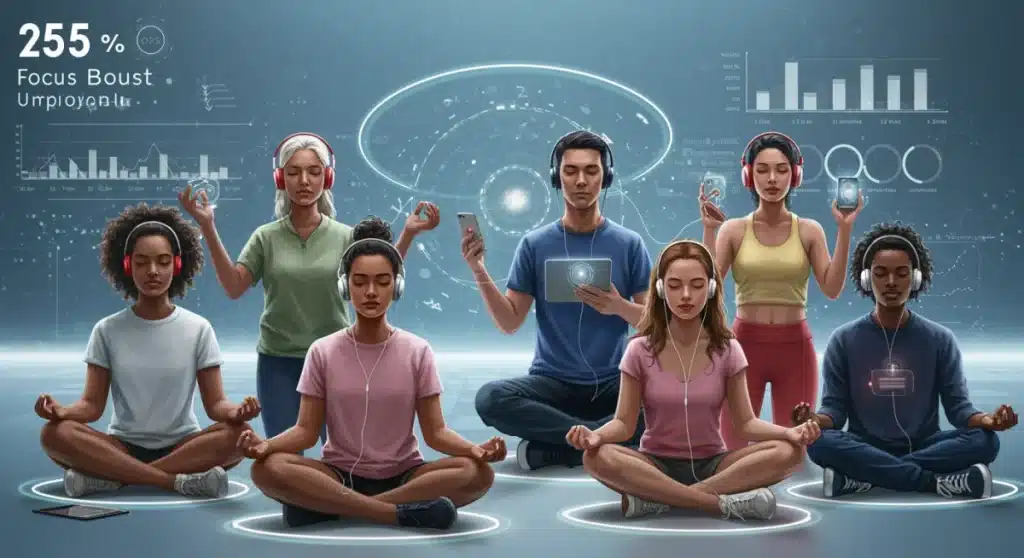
In an increasingly fast-paced world, the quest for inner peace and sustained focus has never been more critical. As we look ahead to 2026, the landscape of digital wellness is evolving at an unprecedented rate, with meditation apps leading the charge. This insider report delves into the latest innovations poised to transform how Americans approach mental well-being, promising a remarkable 25% boost in focus and significant improvements within just three months. The era of generic meditation is over; welcome to a future where personalized, data-driven mindfulness is the norm.
The Rise of Hyper-Personalized Meditation Apps 2026
Gone are the days of one-size-fits-all meditation. The meditation apps 2026 are defined by their sophisticated personalization engines. Utilizing advanced AI and machine learning, these platforms analyze user data—from daily moods and stress levels to sleep patterns and even biometric feedback from wearable devices—to craft bespoke meditation programs. This level of customization ensures that each session is precisely tailored to the individual’s current needs, maximizing effectiveness and engagement.
Imagine an app that understands your specific anxiety triggers, recognizes patterns in your sleep data, and then curates a series of meditations designed to address those exact issues. This isn’t science fiction; it’s the reality of meditation apps in 2026. These platforms are moving beyond simple guided meditations, integrating cognitive behavioral therapy (CBT) techniques, sound therapy, and even neurofeedback elements to create truly transformative experiences. The goal is not just temporary calm, but sustainable mental resilience and enhanced cognitive function.
One of the most exciting developments is the integration of real-time biofeedback. Wearable devices, already ubiquitous, will seamlessly connect with these apps, providing live data on heart rate variability (HRV), skin conductance, and even subtle brainwave patterns. This allows the app to adapt the meditation in real-time, adjusting pacing, sounds, and guidance to optimize the user’s state. For instance, if your HRV indicates rising stress during a session, the app might gently shift to a more calming tone or introduce a specific breathing exercise to help regulate your nervous system. This dynamic responsiveness is a game-changer for achieving deeper states of meditation and more profound therapeutic benefits.
Furthermore, these meditation apps 2026 are incorporating elements of gamification and social connectivity, making the practice more engaging and sustainable. Users can set goals, track their progress, earn badges, and even participate in guided group meditations with friends or communities, fostering a sense of shared purpose and accountability. This blend of cutting-edge technology with human connection is proving to be a powerful catalyst for consistent practice and long-term well-being.
The 25% Focus Boost: How Technology is Sharpening Minds
The promise of a 25% boost in focus within three months might sound ambitious, but experts in digital wellness and neuroscience are backing these claims. The key lies in the systematic and personalized training offered by the latest meditation apps 2026. Traditional meditation has long been recognized for its ability to improve attention and concentration, but these new platforms amplify that effect through several innovative mechanisms.
Neuroplasticity and Targeted Training
Modern meditation apps are designed to leverage the brain’s neuroplasticity – its ability to reorganize itself by forming new neural connections. Through consistent, targeted meditation exercises, these apps help users strengthen neural pathways associated with attention, executive function, and emotional regulation. For example, specific focus-based meditations, often integrated with visual or auditory cues, train the brain to sustain attention on a single object or thought, gradually increasing the duration and intensity of focus.
Many apps now include modules specifically designed to enhance working memory and cognitive flexibility, which are critical components of sustained focus. By engaging users in exercises that require them to hold and manipulate information mentally, or to switch between different mental tasks efficiently, these apps are effectively acting as digital brain trainers. The 25% increase isn’t just about feeling less distracted; it’s about measurable improvements in cognitive performance that translate directly into better productivity and clearer thinking.
Data-Driven Progress Tracking
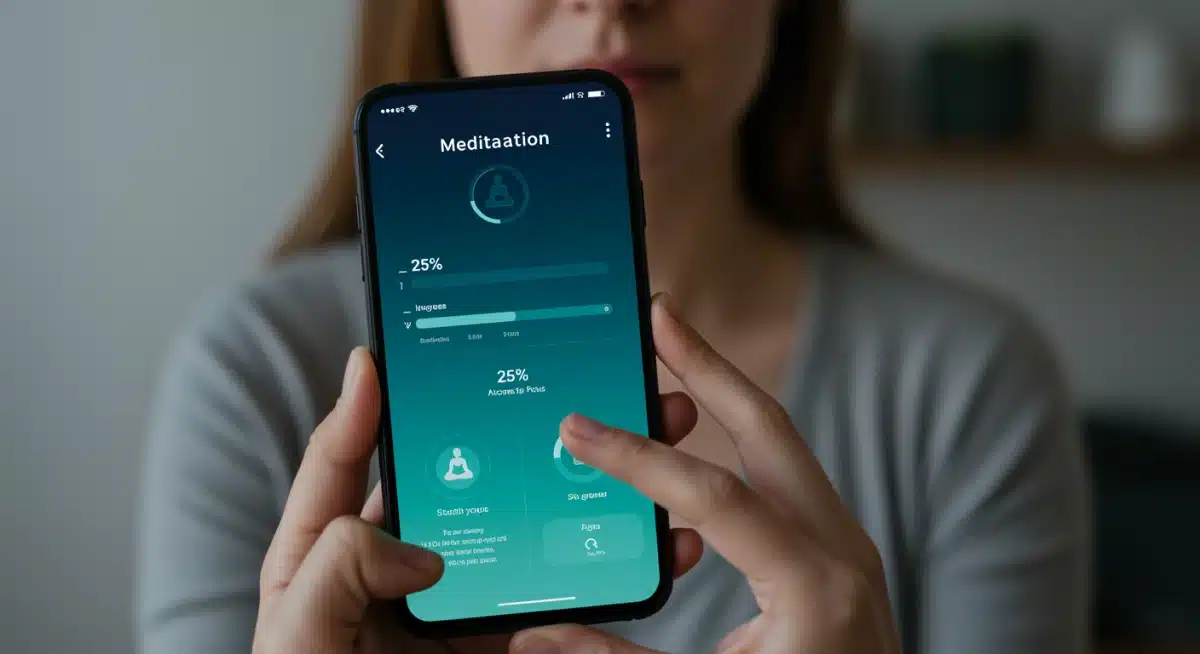
A crucial aspect of achieving such measurable improvements is robust data tracking. The meditation apps 2026 provide detailed analytics on user progress. This includes tracking session duration, consistency, reported focus levels before and after meditation, and even integrating with cognitive performance tests. Users can visualize their improvement over time, seeing tangible evidence of their enhanced focus and reduced distractibility. This data-driven feedback loop is highly motivating, encouraging users to maintain their practice and further refine their meditative techniques.
Consider an app that not only tells you that you meditated for 20 minutes but also shows you a graph of your attention span improving week by week, or how your reaction times in a simple focus test have decreased. This concrete evidence transforms an abstract practice into a goal-oriented endeavor, making the 25% focus boost a tangible, achievable outcome for many Americans.
Integration with Daily Life and Workflows
Beyond dedicated sessions, the latest meditation apps are designed to seamlessly integrate mindfulness into daily routines. Micro-meditations, focus-boosting soundscapes, and gentle reminders are embedded into workflows, helping users maintain a state of focused awareness throughout their day. Some apps even offer integrations with productivity tools, suggesting short mindful breaks during intense work periods, or providing calming sounds to help users transition between tasks. This continuous reinforcement of mindful attention is key to building sustained focus and preventing burnout.
Beyond Focus: A Holistic Approach to American Well-being
While enhanced focus is a significant benefit, the meditation apps 2026 offer a much broader spectrum of improvements for American well-being. These platforms are taking a holistic approach, addressing not only cognitive function but also emotional regulation, stress reduction, and sleep quality. The synergy of these elements contributes to a profound and lasting improvement in overall mental health.
Mastering Emotional Regulation
Emotional volatility and reactivity are common challenges in modern life. The new generation of meditation apps provides tools and techniques specifically designed to cultivate emotional intelligence and resilience. Through practices like loving-kindness meditation, body scan meditations, and guided exercises in non-judgmental observation, users learn to recognize, understand, and skillfully respond to their emotions rather than being overwhelmed by them. This leads to greater emotional stability, reduced impulsivity, and more harmonious relationships.
Many apps now include mood tracking features that allow users to log their emotional states throughout the day. Over time, the app can identify patterns and suggest specific meditations or mindfulness exercises to help manage recurring emotional challenges. For example, if the app detects a pattern of increased irritability in the afternoons, it might recommend a short compassion meditation or a breathing exercise to foster calm and patience. This proactive approach to emotional well-being is empowering users to take greater control over their inner lives.
Revolutionizing Stress Reduction
Chronic stress is a pervasive issue in American society, with profound impacts on physical and mental health. The meditation apps 2026 are at the forefront of stress management, offering scientifically-backed techniques to mitigate its effects. Deep breathing exercises, progressive muscle relaxation, and visualization practices are integrated into personalized programs, helping users activate their parasympathetic nervous system – the body’s ‘rest and digest’ response.
The real-time biofeedback mentioned earlier plays a crucial role here. By monitoring physiological indicators of stress, the apps can guide users through exercises that effectively lower heart rate, reduce muscle tension, and promote a state of relaxation. Furthermore, many apps now offer ‘SOS’ meditations for acute stress situations, providing immediate relief and helping users regain composure in moments of high pressure. This immediate and sustained stress reduction contributes significantly to overall well-being.
Optimizing Sleep Quality
Sleep deprivation is another widespread problem with cascading effects on focus, mood, and health. Recognizing this, the latest meditation apps often include comprehensive sleep modules. These go beyond simple bedtime stories, offering sophisticated soundscapes engineered for sleep, guided body scans to release tension before bed, and meditations specifically designed to quiet a restless mind. Some apps even integrate with smart home devices to optimize the sleep environment, adjusting lighting and temperature based on user preferences and physiological cues.
By addressing the underlying causes of sleep disturbances – such as anxiety, racing thoughts, and physical tension – these apps help users fall asleep faster, achieve deeper, more restorative sleep, and wake up feeling refreshed. Improved sleep quality directly correlates with better daytime focus, enhanced mood, and greater resilience to stress, creating a virtuous cycle of well-being.
Key Features Defining the Best Meditation Apps in 2026
What makes a meditation app 2026 stand out from the crowd? It’s a combination of advanced technology, user-centric design, and a deep understanding of human psychology. Here are some of the defining features:
- AI-Powered Personalization: Tailored content based on user data, preferences, and real-time physiological feedback.
- Adaptive Guided Meditations: Sessions that adjust in real-time based on your state.
- Biofeedback Integration: Seamless connectivity with wearables for deeper insights and personalized adjustments.
- Cognitive Training Modules: Specific exercises to improve focus, memory, and cognitive flexibility.
- Holistic Wellness Programs: Addressing stress, sleep, emotional regulation, and physical well-being.
- Gamification & Community Features: Engaging challenges, progress tracking, and social interaction to foster consistency.
- Neuroscience-Backed Content: Meditations and exercises grounded in scientific research.
- Immersive Soundscapes & Haptics: Rich audio experiences and tactile feedback to deepen the meditative state.
- Seamless UI/UX: Intuitive, aesthetically pleasing interfaces that enhance the user experience.
- Ethical Data Handling: Transparent policies regarding user data privacy and security.
These features collectively contribute to platforms that are not just tools, but intelligent companions on the journey to enhanced mental well-being. They represent a significant leap forward from the foundational meditation apps of earlier years, offering a level of sophistication and effectiveness that was previously unimaginable.
Challenges and Considerations for Widespread Adoption
Despite the immense potential of meditation apps 2026, several challenges and considerations need to be addressed for widespread and equitable adoption across America.
Accessibility and Cost
While many basic meditation apps offer free tiers, the most advanced, personalized features often come with subscription fees. Ensuring these powerful tools are accessible to all socioeconomic groups remains a crucial challenge. Initiatives like subsidized access programs, partnerships with healthcare providers, and employer-sponsored wellness benefits could play a vital role in broadening reach.
Data Privacy and Security
With the integration of biometric data and highly personal emotional insights, data privacy and security become paramount. Users need assurances that their sensitive information is protected and used ethically. Clear, transparent data policies and robust security measures will be essential for building trust and encouraging adoption.
Digital Divide and Technological Literacy
Not all Americans have equal access to smartphones, reliable internet, or the technological literacy required to fully utilize advanced apps. Bridging the digital divide and providing user-friendly interfaces that are intuitive for all age groups and tech proficiencies will be important for ensuring these benefits are widely distributed.
The Role of Human Connection
While technology offers incredible personalization, it’s important not to completely replace the value of human connection and guidance. The most effective meditation apps 2026 will likely integrate options for connecting with human mindfulness coaches or therapists, offering a blended approach to mental well-being that combines the best of both worlds.
The Future is Mindful: A Look Ahead
As we navigate the complexities of modern life, the evolution of meditation apps 2026 represents a beacon of hope for enhanced mental well-being. The promise of boosting focus by 25% and achieving significant improvements in emotional regulation, stress reduction, and sleep quality within three months is not just a marketing claim; it’s a testament to the power of combining ancient wisdom with cutting-edge technology.
These apps are more than just tools; they are personalized guides, helping millions of Americans cultivate resilience, clarity, and inner peace. They are democratizing access to mindfulness practices, making profound personal transformation achievable for anyone with a smartphone. The future of well-being is digital, personalized, and deeply transformative.
Embrace the change, and discover how the next generation of meditation apps can redefine your mental landscape. The journey towards a more focused, calmer, and happier self is now more accessible and scientifically supported than ever before. Don’t just observe the future; be a part of it. Explore the innovative meditation apps 2026 and unlock your full potential for mental clarity and emotional balance.
Embracing the AI-Powered Evolution
The integration of artificial intelligence within these platforms is not just about making recommendations; it’s about creating a truly adaptive and responsive mental health companion. AI algorithms are becoming incredibly adept at recognizing subtle shifts in user behavior, emotional patterns, and even physiological indicators that might precede a period of stress or decreased focus. This predictive capability allows the app to offer proactive interventions, suggesting specific meditations or mindfulness exercises before an issue escalates.
For example, if an AI detects a pattern of interrupted sleep followed by a tendency towards irritability based on your logged moods, it might suggest a specialized ‘pre-emptive’ meditation in the morning to stabilize your emotional state, rather than waiting for the irritability to manifest. This level of anticipatory care is a significant leap forward in preventative mental health, powered by the intelligence baked into the meditation apps 2026.
Immersive Experiences: Beyond Audio
While audio remains central, the next generation of meditation apps is exploring more immersive experiences. Virtual reality (VR) and augmented reality (AR) are beginning to play a role, transporting users to serene digital landscapes or overlaying calming visual cues onto their real-world environment. Imagine a VR meditation that guides you through a digital forest, complete with ambient sounds and visual elements that respond to your breath, deepening your sense of presence and calm. These immersive technologies promise to make meditation more engaging and effective for those who struggle with traditional audio-only formats.
Haptic feedback, through smartwatches or other wearables, is also being utilized to enhance the meditative experience. Gentle vibrations can guide breathing exercises, provide subtle anchors for attention, or even simulate the sensation of a calming touch, adding another layer of sensory engagement to the practice. These multi-sensory approaches are designed to make the meditative state more accessible and profound for a wider range of users, ensuring that the meditation apps 2026 cater to diverse preferences and learning styles.
Measuring the Unmeasurable: The Science of Well-being
One of the most exciting aspects of these advanced apps is their potential to further the scientific understanding of well-being. By collecting anonymized, aggregated data on how different meditation techniques impact various populations, researchers can gain unprecedented insights into the mechanisms of mindfulness and its effects on the brain and body. This data can then be used to refine and improve the apps themselves, creating a continuous cycle of innovation and evidence-based practice.
The collaboration between app developers, neuroscientists, psychologists, and medical professionals is becoming increasingly common, ensuring that the content offered by meditation apps 2026 is not only engaging but also clinically sound. This commitment to scientific rigor is what gives confidence to the claims of significant improvements in focus and overall well-being. Users can trust that they are engaging with tools that are not just trendy, but genuinely effective and backed by cutting-edge research.
The Role in Corporate Wellness and Education
Beyond individual users, these advanced meditation apps are increasingly finding their place in corporate wellness programs and educational institutions. Companies are recognizing the direct link between employee well-being, focus, and productivity. By providing access to personalized meditation apps, organizations can help their workforce manage stress, reduce burnout, and enhance cognitive performance, leading to a healthier, more engaged, and more efficient team.
Similarly, schools and universities are exploring how these apps can support student mental health, improve concentration, and reduce exam-related anxiety. Introducing mindfulness practices at an earlier age, facilitated by engaging and accessible technology, can lay the foundation for lifelong mental resilience. The meditation apps 2026 are not just personal tools; they are becoming integral components of broader societal initiatives to foster well-being and cognitive excellence.
Conclusion: A Mindful Revolution is Here
The year 2026 marks a pivotal moment in the evolution of digital wellness. The latest meditation apps are no longer simple timers or audio libraries; they are sophisticated, AI-powered platforms offering hyper-personalized experiences designed to fundamentally transform mental well-being. The promise of a 25% boost in focus within three months is a testament to their scientific grounding and technological prowess, but their impact extends far beyond mere cognition.
By addressing stress, emotional regulation, and sleep quality with equal precision, these apps are fostering a holistic sense of inner peace and resilience. For Americans seeking to navigate the demands of modern life with greater clarity, calm, and effectiveness, the meditation apps 2026 offer an indispensable pathway. Embrace this mindful revolution, and step into a future where your mental potential is fully realized.
The journey to a more focused, balanced, and fulfilling life is literally at your fingertips. Download an app, commit to the practice, and witness the profound transformation that awaits.