Spiritual Practice Trends 2026: What’s Resonating with Seekers
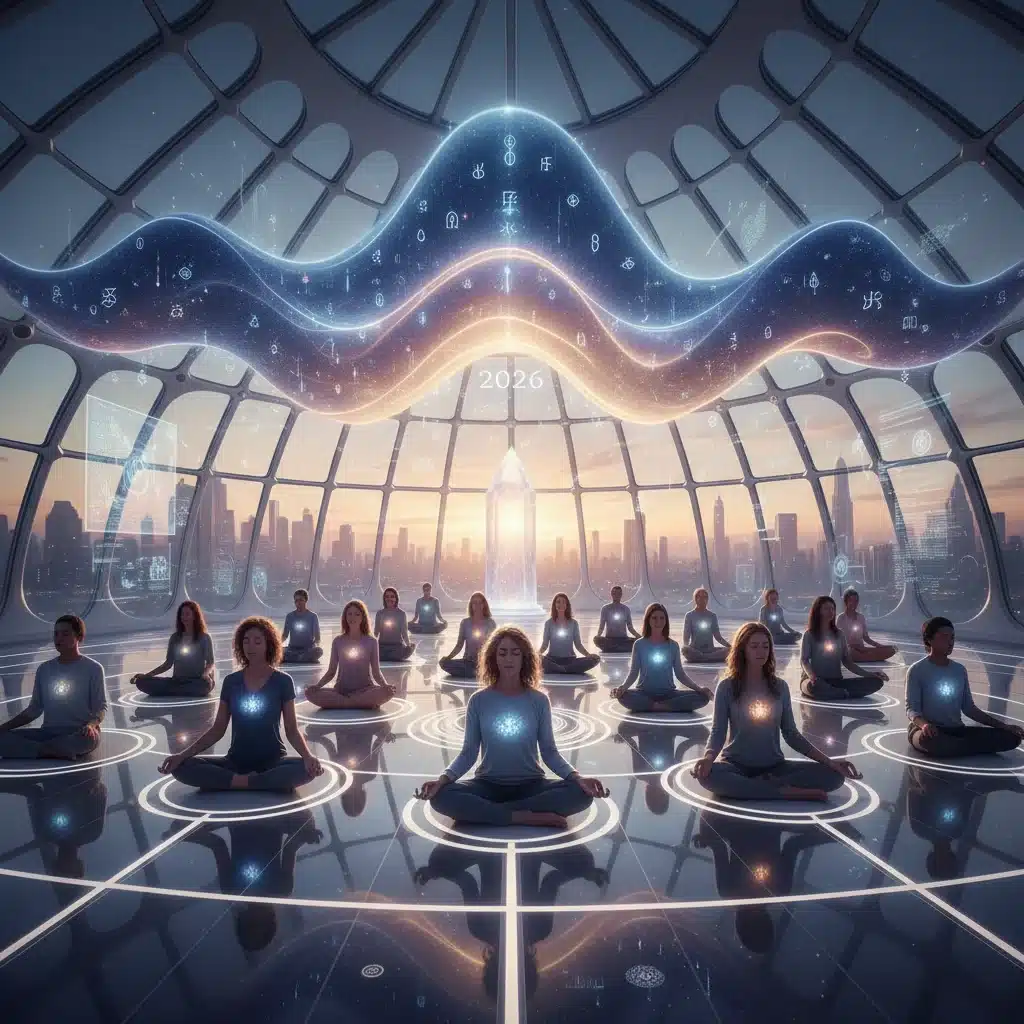
In a world that constantly evolves, so too do our paths to inner peace, self-discovery, and connection. As we cast our gaze towards 2026, a fascinating landscape of Spiritual Practice Trends emerges, revealing profound shifts in how individuals seek meaning and fulfillment. Data suggests that nearly 30% of seekers nationally are gravitating towards new and innovative approaches, forging a fresh narrative for spiritual growth. This article delves deep into these emerging trends, exploring what’s working, why it’s gaining traction, and how these practices are shaping the future of spirituality.
The quest for spiritual well-being is no longer confined to traditional frameworks. Instead, it’s a dynamic, multifaceted journey, often personalized and adaptable to modern life’s complexities. From technology-infused mindfulness to a resurgence in earth-based wisdom, the tapestry of spiritual exploration is richer and more diverse than ever before. Understanding these trends is crucial not just for individuals on their own spiritual path, but also for communities, leaders, and innovators who wish to support this collective evolution.
Understanding the Shifting Landscape of Spiritual Practice Trends
The term ‘spiritual practice’ itself has broadened significantly. No longer solely associated with organized religion, it now encompasses a vast spectrum of activities aimed at fostering inner harmony, ethical living, and a sense of purpose. The year 2026 is seeing a crystallization of several key factors influencing these shifts: increased stress and anxiety levels post-pandemic, a growing disillusionment with traditional institutions, and an unprecedented access to information and diverse philosophies through digital platforms. These elements combine to create fertile ground for new Spiritual Practice Trends to take root and flourish.
What exactly are people seeking? Beyond mere relief from daily pressures, there’s a strong desire for authentic connection – to oneself, to others, and to something greater. This search for authenticity drives many of the trends we observe, pushing individuals towards practices that offer tangible benefits and resonate deeply with their personal values. The emphasis is shifting from rigid dogma to flexible, experiential engagement, where personal transformation is paramount.
The Rise of Personalized and Hybrid Spiritual Paths
One of the most significant Spiritual Practice Trends for 2026 is the move towards highly personalized and hybrid spiritual paths. Gone are the days when one size fit all. Individuals are now curating their spiritual journeys, drawing from multiple traditions, philosophies, and practices to create a bespoke approach that perfectly aligns with their unique needs and beliefs. This ‘spiritual bricolage’ might involve combining elements of Buddhist meditation with Stoic philosophy, nature-based rituals, and modern psychotherapy.
This personalization is fueled by the vast amount of information available online, allowing seekers to explore and experiment with different modalities without committing to a single doctrine. The result is a more fluid and adaptive spirituality, less about adherence to a specific group and more about individual growth and exploration. Hybrid practices often emerge from this, such as ‘mindful movement’ combining yoga with dance, or ‘eco-contemplation’ blending environmental activism with meditative reflection.
The benefit of this approach is obvious: greater relevance and engagement. When a practice truly speaks to an individual, they are more likely to commit to it and experience its transformative power. This trend also fosters a sense of empowerment, as individuals become the architects of their own spiritual development, rather than passively receiving guidance from external authorities. It’s a move towards self-sovereignty in the spiritual realm, a powerful force driving the evolution of Spiritual Practice Trends.
Technology’s Transformative Role in Spiritual Practice
It might seem counterintuitive, but technology is playing an increasingly pivotal role in shaping Spiritual Practice Trends. Far from being a distraction, digital tools are being harnessed to deepen spiritual experiences, make practices more accessible, and foster global communities. Meditation apps, virtual reality (VR) spiritual retreats, AI-powered mindfulness coaches, and online wisdom communities are just a few examples of how technology is innovating the spiritual landscape.
Meditation apps, for instance, offer guided sessions, sleep stories, and soundscapes, making mindfulness accessible to millions who might not otherwise engage in such practices. These platforms often incorporate biofeedback mechanisms, allowing users to track their progress and tailor their practice for optimal results. The convenience and portability of these tools mean that spiritual practice can seamlessly integrate into busy modern lives, transforming commutes into contemplative moments or lunch breaks into mini-retreats.
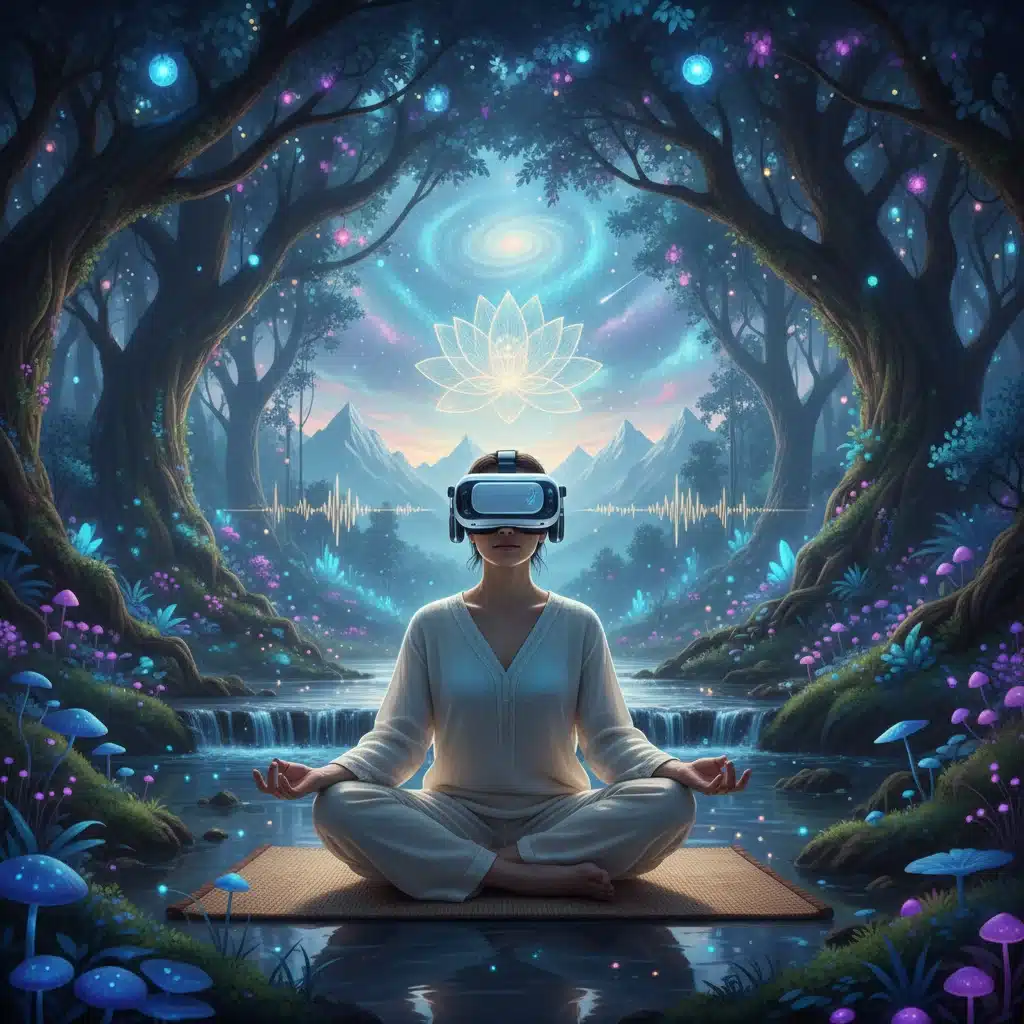
Beyond apps, VR and augmented reality (AR) are opening up entirely new dimensions for spiritual exploration. Imagine meditating in a virtual forest, experiencing a sacred pilgrimage site from your living room, or participating in a global ceremony with avatars from around the world. These immersive experiences can transcend physical limitations, offering profound insights and a sense of interconnectedness that might be difficult to achieve otherwise. The potential for technology to democratize and diversify spiritual access is immense, making it a cornerstone of future Spiritual Practice Trends.
The Re-emergence of Nature-Based and Earth-Centered Spirituality
In stark contrast to the digital advancements, 2026 also marks a powerful re-emergence of nature-based and earth-centered spiritual practices. As environmental concerns grow and urban living becomes more prevalent, many seekers are finding solace, wisdom, and connection by returning to the natural world. This trend highlights a deep yearning for primal connection and a recognition of the sacredness inherent in ecosystems.
Practices such as forest bathing (Shinrin-yoku), nature contemplation, eco-spirituality, and indigenous wisdom traditions are gaining significant traction. Individuals are seeking to re-establish a reciprocal relationship with the Earth, understanding that environmental well-being is intrinsically linked to personal and collective spiritual health. This involves spending intentional time in nature, engaging in rituals that honor the elements, and developing a profound sense of stewardship for the planet.
The benefits are manifold: reduced stress, enhanced creativity, a deeper sense of belonging, and a renewed appreciation for life’s interconnectedness. This movement is not merely about appreciating nature’s beauty; it’s about recognizing its profound spiritual teachings and integrating them into daily life. For many, connecting with the earth provides a tangible anchor in an often-turbulent world, making it a vital component of contemporary Spiritual Practice Trends.
Community and Collective Spiritual Experiences
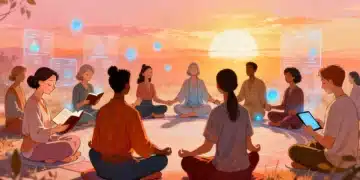
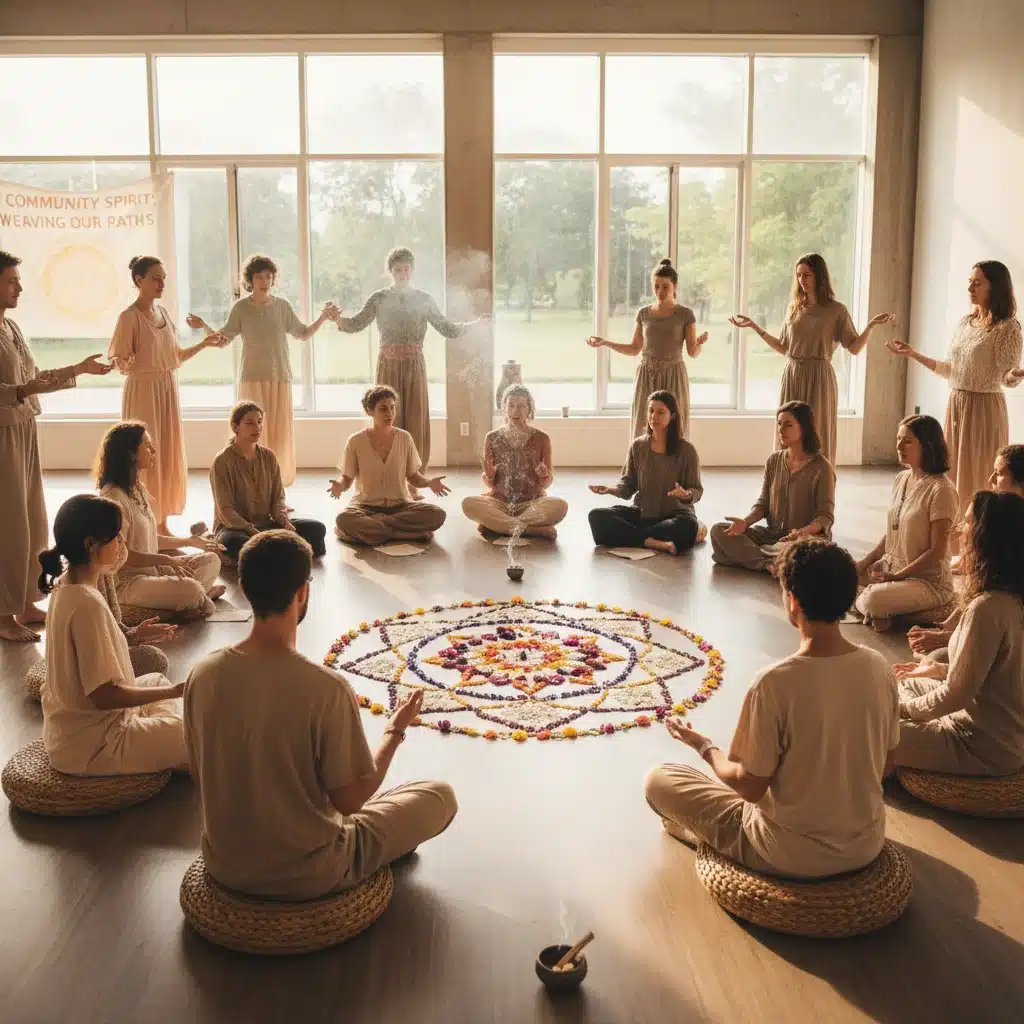
While personalization is a key trend, the desire for community and collective spiritual experiences remains incredibly strong. In an increasingly isolated world, people are actively seeking spaces where they can share their spiritual journeys, find support, and engage in practices with like-minded individuals. This manifests in various forms, from online spiritual communities to local meditation groups, conscious dance gatherings, and purpose-driven retreats.
The emphasis here is on shared experience, mutual growth, and a sense of belonging. These communities often transcend traditional religious boundaries, welcoming individuals from diverse backgrounds united by a common intention for spiritual exploration. They provide a vital counterpoint to the individualized nature of other trends, offering a sense of collective purpose and accountability that can significantly deepen one’s practice.
Workshops, seminars, and retreats focused on specific spiritual modalities (e.g., sound healing, breathwork, plant medicine ceremonies) are also flourishing. These events provide intensive, immersive experiences that can accelerate personal growth and foster deep connections among participants. The power of shared intention and collective energy is a potent force, driving the continued relevance of community-based approaches within the broader landscape of Spiritual Practice Trends.
Mindfulness and Embodiment Practices: Beyond the Mat
Mindfulness, once a niche concept, has firmly entered the mainstream, and for 2026, it continues to evolve. The focus is moving beyond mere sitting meditation to a more holistic integration of mindfulness into daily life and a deeper emphasis on embodiment. This means bringing conscious awareness not just to thoughts and emotions, but also to physical sensations, movement, and the present moment in all activities.
Embodiment practices, such as somatic experiencing, conscious movement, ecstatic dance, and even mindful eating, are gaining prominence. These practices help individuals to reconnect with their bodies, release stored tension, and cultivate a sense of grounded presence. The understanding is that true spiritual integration must involve the physical self, not just the mind. This holistic approach recognizes the interconnectedness of mind, body, and spirit, offering pathways to healing and self-discovery that are deeply experiential.
The accessibility of these practices is also a key factor in their widespread adoption. Many can be integrated into daily routines without requiring significant time commitments or specialized equipment. From mindful walking to conscious breathing exercises throughout the day, the goal is to cultivate a continuous state of awareness and presence, transforming everyday life into a spiritual practice. This shift towards embodied mindfulness is a powerful current within the Spiritual Practice Trends of 2026.
Ethical Living and Social Impact as Spiritual Practice
For a growing segment of seekers, spiritual practice extends beyond personal introspection to encompass ethical living and active engagement in social and environmental causes. The understanding here is that true spirituality cannot be separated from one’s impact on the world. This trend sees acts of compassion, social justice advocacy, sustainable living, and community service as integral components of a spiritual path.
This involves a conscious effort to align one’s values with one’s actions, making choices that promote well-being for all beings and the planet. Examples include adopting minimalist lifestyles, supporting ethical businesses, engaging in volunteer work, advocating for human rights, and practicing conscious consumption. For these individuals, their spiritual practice is not just about personal peace, but about contributing to a more just and harmonious world.
This integration of spirituality with social responsibility reflects a maturing consciousness, where personal transformation is seen as a prerequisite for collective transformation. It’s a recognition that inner work and outer action are two sides of the same coin, both essential for a truly fulfilling and meaningful life. This strong emphasis on ethical living and social impact is a defining characteristic of the Spiritual Practice Trends we observe today.
The Blurring Lines Between Spirituality, Science, and Therapy
Another fascinating development in Spiritual Practice Trends for 2026 is the increasing convergence of spirituality with scientific inquiry and therapeutic modalities. There’s a growing openness to explore the empirical benefits of spiritual practices, with neuroscience, psychology, and quantum physics offering new frameworks for understanding phenomena traditionally considered spiritual.
Research into the effects of meditation on brain function, the therapeutic potential of psychedelics (in controlled settings), and the psychological benefits of gratitude and compassion are bridging the gap between ancient wisdom and modern science. This scientific validation helps to destigmatize spiritual practices and makes them more appealing to a broader audience, including those who previously viewed them with skepticism.
Similarly, therapeutic approaches are increasingly incorporating spiritual elements, recognizing the profound role of meaning, purpose, and transcendence in mental health. Therapies like Acceptance and Commitment Therapy (ACT) and Mindfulness-Based Stress Reduction (MBSR) draw heavily from spiritual principles, demonstrating the practical application of these concepts in clinical settings. This synergy between spirituality, science, and therapy creates a more integrated and holistic approach to well-being, paving the way for further innovation in Spiritual Practice Trends.
The Role of Mentorship and Spiritual Guidance
Despite the trend towards personalized paths, the role of mentorship and spiritual guidance remains crucial. However, the nature of this guidance is evolving. Instead of hierarchical guru-disciple relationships, there’s a greater emphasis on peer-to-peer learning, mentorship from experienced practitioners, and a more egalitarian exchange of wisdom.
Spiritual coaches, facilitators, and mentors are increasingly sought after to provide personalized support, accountability, and direction for individuals navigating their unique spiritual journeys. These guides often specialize in particular modalities or offer a blend of approaches, helping seekers to clarify their intentions, overcome obstacles, and integrate their spiritual insights into daily life. The demand for authentic, compassionate, and non-dogmatic guidance is high, reflecting a desire for support without the constraints of rigid institutional structures.
Online platforms have also facilitated access to a wider range of mentors, allowing individuals to connect with guides from different cultural backgrounds and spiritual traditions. This global access to wisdom and support is a significant factor in the evolving landscape of Spiritual Practice Trends, ensuring that even highly individualized paths can be well-supported and enriched.
Challenges and Opportunities in the Evolving Spiritual Landscape
While the emerging Spiritual Practice Trends offer immense potential for personal and collective growth, they also present challenges. The sheer volume of information and options can be overwhelming, leading to ‘spiritual bypassing’ (using spiritual concepts to avoid emotional processing) or a lack of deep commitment to any single practice. Discerning authentic teachers and practices from superficial or even harmful ones remains a critical skill for seekers.
However, these challenges also create opportunities. There’s a growing need for ethical guidelines in spiritual communities, for critical thinking skills in evaluating spiritual claims, and for a balanced approach that integrates both inner work and practical engagement with the world. The emphasis on individual agency and personal responsibility within these trends means that seekers are increasingly empowered to navigate these complexities with greater discernment.
The opportunities are profound: a more inclusive, adaptable, and relevant spirituality that can meet the diverse needs of a global population. As these trends continue to unfold, we can anticipate a future where spiritual practice is deeply integrated into all aspects of life, fostering greater well-being, connection, and purpose for individuals and communities alike.
Conclusion: Embracing the Future of Spiritual Practice
The Spiritual Practice Trends for 2026 paint a vibrant picture of an evolving human consciousness. From personalized hybrid paths and technology-enhanced experiences to a renewed connection with nature, robust community engagement, and a powerful integration with ethical living and scientific understanding, the landscape of spirituality is more dynamic than ever. The fact that nearly 30% of seekers nationally are actively engaging with these new approaches underscores a significant societal shift towards more conscious, intentional, and personally resonant ways of living.
These trends reflect a collective yearning for authenticity, meaning, and connection in a rapidly changing world. They offer diverse pathways for individuals to explore their inner landscapes, cultivate well-being, and contribute positively to their communities and the planet. As we move forward, embracing these evolving spiritual practices will not only enrich individual lives but also contribute to a more compassionate, sustainable, and interconnected global society. The future of spiritual practice is here, and it’s an exciting journey of discovery and transformation for us all.