Cultivating Daily Spiritual Habits: 10 Steps for US Transformation (2026)

Cultivating daily spiritual habits is crucial for lasting personal transformation and enhanced well-being, offering practical strategies for integration into modern American life in 2026, fostering inner peace and resilience.
In a rapidly evolving world, particularly within the dynamic landscape of the United States, the practice of cultivating daily spiritual habits has become more vital than ever for achieving profound and lasting personal transformation. This guide explores actionable steps designed to integrate spiritual practices seamlessly into your daily life, updated for the year 2026.
Understanding the Need for Spiritual Habits in Modern America
The pace of life in the United States, characterized by constant digital connectivity and societal pressures, often leaves individuals feeling disconnected and overwhelmed. Spiritual habits offer an essential anchor, providing a sense of purpose, peace, and resilience amidst the chaos. They are not about adhering to a specific religion, but rather about nurturing an inner life that supports overall well-being.
Many Americans are actively seeking ways to reduce stress and find deeper meaning beyond material pursuits. This growing awareness highlights the critical role spiritual practices play in mental health and emotional balance. Integrating these habits can lead to a more fulfilling existence, fostering a stronger connection to oneself and the world.
The Shift Towards Holistic Well-being
There’s a noticeable shift in the US towards a more holistic view of health, where mental, emotional, and spiritual well-being are recognized as equally important as physical health. This perspective encourages individuals to explore practices that nourish all aspects of their being.
- Increased interest in mindfulness and meditation.
- Growing popularity of yoga and other mind-body practices.
- Demand for spiritual retreats and workshops.
This evolving understanding makes it opportune to explore practical ways to embed spiritual routines into our daily lives, ensuring they are sustainable and impactful. The goal is to create a personal sanctuary within, accessible at any moment.
Ultimately, recognizing the profound impact of spiritual habits on personal growth and societal harmony is the first step toward embracing a more balanced and purposeful life. These practices offer a pathway to inner peace and a deeper connection to universal truths.
Step 1: Embrace Mindful Mornings
Starting your day with intention sets a powerful tone for the hours ahead. Instead of immediately reaching for your phone or diving into tasks, dedicating the first few minutes to mindful practices can significantly improve your focus and emotional state. This habit cultivates a sense of calm and clarity that can carry through your entire day.
A mindful morning doesn’t require extensive time; even five to ten minutes can make a difference. The key is consistency and presence. This practice helps to reduce the feeling of being rushed or reactive, allowing you to approach challenges with a more grounded perspective.
Simple Morning Rituals to Implement
Integrating these rituals can be tailored to fit your schedule and preferences. The objective is to create a sacred space at the start of your day, however brief.
- Silent Reflection: Spend a few minutes in quiet contemplation, observing your thoughts without judgment.
- Gratitude Practice: List three things you are grateful for, either mentally or in a journal.
- Gentle Movement: Perform light stretching or a few yoga poses to awaken your body.
By consciously choosing how you begin your day, you empower yourself to respond to life’s demands rather than simply reacting to them. This foundational step is crucial for establishing a robust framework for daily spiritual habits.
Embracing mindful mornings is about reclaiming your personal time and space, fostering a sense of control and inner peace before the external world demands your attention.
Step 2: Practice Daily Meditation or Prayer
Meditation and prayer are cornerstone practices for spiritual development, offering pathways to inner stillness and connection to a higher power or one’s inner self. In the US, a growing number of resources, from apps to community groups, make these practices accessible to everyone, regardless of their background.
Regular engagement with meditation or prayer can reduce anxiety, improve emotional regulation, and deepen spiritual insight. It’s a dedicated time to quiet the external noise and listen to the subtle whispers of your intuition or spiritual guidance.
Finding Your Meditation or Prayer Style
There are numerous forms of meditation and prayer, and finding what resonates with you is key to sustaining the practice. Experimentation is encouraged to discover the method that best supports your spiritual journey.
- Mindfulness Meditation: Focusing on your breath and bodily sensations.
- Transcendental Meditation: Using a mantra to achieve a state of relaxed awareness.
- Contemplative Prayer: Engaging in silent reflection or communion with the divine.
Consistency is more important than duration. Even a few minutes of focused meditation or prayer each day can create significant shifts in your spiritual landscape and overall well-being. This practice is an investment in your inner peace and resilience.
By making daily meditation or prayer a non-negotiable part of your routine, you create a sacred space for spiritual nourishment and personal growth, strengthening your connection to something greater than yourself.
Step 3: Engage in Mindful Consumption of Information
In an age of information overload, particularly prevalent in the US, mindful consumption of news, social media, and entertainment is a critical spiritual habit. What we feed our minds profoundly impacts our emotional and spiritual state. Being intentional about what we consume helps protect our inner peace and focus.
This practice involves consciously choosing sources that uplift, inform, and inspire, rather than those that incite fear, division, or negativity. It’s about curating your mental diet to foster a positive and constructive inner environment.
Strategies for Mindful Information Intake
Developing discernment in your information consumption can be challenging but is incredibly rewarding for your spiritual health.
- Limit Screen Time: Set boundaries for how long you spend on devices, especially before bed.
- Choose Uplifting Content: Seek out news, articles, and shows that promote growth, understanding, and positivity.
- Fact-Check and Diversify Sources: Avoid echo chambers and seek balanced perspectives to form well-rounded views.
By actively managing your information intake, you reduce mental clutter and emotional distress, creating more space for spiritual reflection and growth. This habit empowers you to maintain inner equilibrium.
Mindful consumption is an act of self-care, safeguarding your mental and spiritual energy from the relentless onslaught of unfiltered information, allowing you to focus on what truly matters.
Step 4: Cultivate Gratitude and Appreciation
Gratitude is a powerful spiritual practice that shifts our perspective from scarcity to abundance. Regularly acknowledging the blessings in your life, no matter how small, can profoundly impact your emotional well-being and foster a more positive outlook. This habit is particularly potent in a consumer-driven society like the US, where the focus often lies on what is lacking.
By intentionally practicing gratitude, you train your mind to focus on the good, which in turn attracts more positive experiences and strengthens your spiritual connection to the world around you.
Ways to Integrate Gratitude into Your Day
There are many simple yet effective ways to cultivate gratitude, making it an accessible daily spiritual habit.
- Gratitude Journaling: Write down 3-5 things you are grateful for each day.
- Expressing Thanks: Verbally or in writing, thank someone who has positively impacted your day.
- Mindful Observation: Take a moment to appreciate the beauty in nature or simple everyday occurrences.
This practice not only enhances your personal spiritual journey but also positively influences your relationships and overall happiness. Gratitude creates a virtuous cycle of positive emotions and experiences.
Cultivating gratitude and appreciation is a transformative spiritual habit that redirects your focus toward the positive aspects of life, fostering a deeper sense of contentment and connection.
Step 5: Connect with Nature Regularly
Spending time in nature is a universal spiritual practice, offering a profound sense of peace, perspective, and connection to something larger than ourselves. In the US, with its vast and diverse natural landscapes, opportunities for this connection are abundant, from urban parks to national forests.
Regular exposure to natural environments has been shown to reduce stress, improve mood, and enhance cognitive function. It’s a powerful way to ground yourself and recharge your spiritual batteries, moving away from the artificiality of modern life.
Simple Ways to Connect with Nature
Even small doses of nature can provide significant spiritual benefits. The key is intentional engagement, allowing yourself to fully experience the natural world.
- Daily Walks: Take a walk in a local park, garden, or natural space.
- Mindful Observation: Pay attention to the sights, sounds, and smells of nature around you.
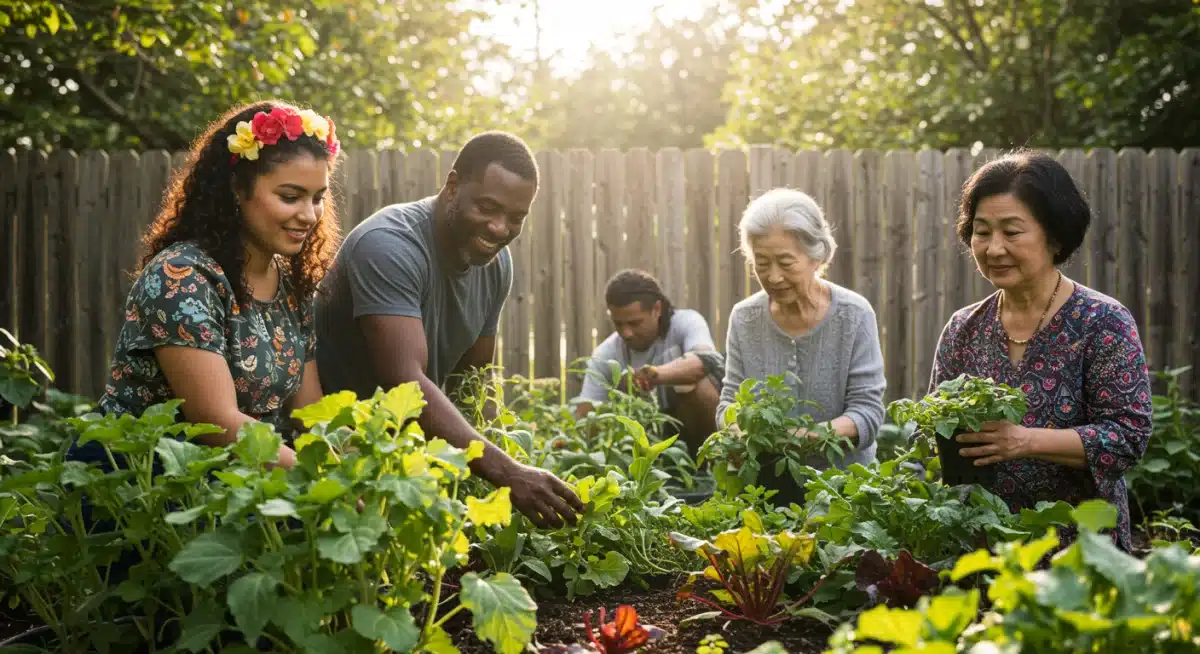
- Gardening or Plant Care: Engage with living plants, whether indoors or outdoors.
Making time for nature connection is an investment in your spiritual well-being, providing a powerful antidote to the stresses of daily life and fostering a sense of interconnectedness.
Connecting with nature regularly is a vital spiritual habit that rejuvenates the spirit, offering clarity, tranquility, and a deeper appreciation for the natural world and our place within it.
Step 6: Engage in Meaningful Service or Contribution
Contributing to something larger than oneself is a deeply fulfilling spiritual practice. In the US, countless opportunities exist for meaningful service, from volunteering in your local community to participating in global initiatives. This habit shifts focus from personal needs to collective well-being, fostering compassion and empathy.
Engaging in service provides a sense of purpose and demonstrates the interconnectedness of humanity. It allows you to put your spiritual values into action, creating positive ripple effects in the world and enriching your own life.
Finding Your Path to Service
Meaningful service can take many forms, and finding an area that aligns with your passions and values will make the experience more rewarding and sustainable.
- Volunteer Locally: Dedicate time to a cause you care about, such as a food bank, animal shelter, or environmental group.
- Offer Your Skills: Use your professional or personal skills to help others or a non-profit organization.
- Random Acts of Kindness: Practice small, spontaneous acts of generosity in your daily interactions.
The act of giving, without expectation of return, is a profound spiritual exercise that opens the heart and expands your sense of self beyond individual boundaries.
Engaging in meaningful service or contribution is a transformative spiritual habit that fosters compassion, purpose, and a deep connection to humanity, enhancing both your life and the lives of others.
Step 7: Practice Self-Compassion and Self-Care
In a culture that often emphasizes achievement and external validation, practicing self-compassion and self-care is a revolutionary spiritual habit. It involves treating yourself with the same kindness, understanding, and acceptance you would offer a dear friend. This is particularly important in the US, where burnout and mental health challenges are significant concerns.
Self-compassion acknowledges your imperfections and struggles as part of the human experience, reducing self-criticism and fostering inner peace. Self-care, in turn, involves actively nurturing your physical, emotional, and spiritual needs.
Integrating Self-Compassion and Self-Care
Making self-compassion and self-care a daily spiritual habit requires intentional effort and a shift in mindset.
- Positive Self-Talk: Challenge negative internal dialogue with affirming and kind words.
- Set Boundaries: Protect your energy by learning to say no and prioritizing your needs.
- Engage in Restorative Activities: Dedicate time to activities that genuinely recharge you, whether it’s reading, a hobby, or simply relaxing.
By consistently showing yourself compassion and prioritizing self-care, you build a strong foundation of inner resilience and self-love, which is essential for any spiritual journey.
Practicing self-compassion and self-care is a fundamental spiritual habit that cultivates inner kindness, resilience, and a profound respect for your own well-being, fostering a healthier relationship with yourself.
Step 8: Engage in Reflective Journaling
Reflective journaling is a powerful spiritual tool that allows for introspection, self-discovery, and emotional processing. By regularly writing down your thoughts, feelings, and experiences, you gain clarity, identify patterns, and deepen your understanding of your inner world. This practice is particularly valuable for navigating the complexities of modern life in the US.
Journaling provides a safe space to explore your spiritual journey, document insights, and track your growth over time. It can serve as a personal dialogue with your higher self or a record of your evolving consciousness.
Tips for Effective Reflective Journaling
To make journaling a meaningful daily spiritual habit, consider these approaches:
- Set Aside Dedicated Time: Even 10-15 minutes can be impactful.
- Write Freely: Don’t censor yourself; let your thoughts flow onto the page.
- Review and Reflect: Periodically reread past entries to observe your progress and insights.
This practice helps to declutter your mind, process emotions, and connect with your intuition, making it an indispensable part of cultivating daily spiritual habits.
Engaging in reflective journaling is a powerful spiritual habit that fosters self-awareness, emotional processing, and a deeper connection to your inner wisdom and personal growth journey.
Step 9: Practice Mindful Eating and Movement
Our relationship with food and our bodies is intrinsically linked to our spiritual well-being. Practicing mindful eating and movement involves bringing full awareness and presence to these everyday activities. In the US, where fast food and sedentary lifestyles are common, this habit offers a profound opportunity for reconnection.
Mindful eating means paying attention to the taste, texture, and nourishment food provides, rather than eating distractedly. Mindful movement involves engaging with your body with intention, listening to its signals, and appreciating its capabilities.
Incorporating Mindfulness into Eating and Movement
These practices can transform routine activities into opportunities for spiritual connection and self-care.
- Eat Slowly and Savor: Pay attention to each bite, noticing flavors and sensations.
- Listen to Your Body: Eat when hungry, stop when full, and choose foods that energize you.
- Conscious Movement: Engage in activities like walking, dancing, or yoga with full awareness of your body’s sensations.
By honoring your body through mindful eating and movement, you cultivate a deeper respect for yourself and the life force that sustains you, enhancing your overall spiritual vitality.
Practicing mindful eating and movement is a holistic spiritual habit that fosters a deeper connection to your body, enhances overall well-being, and transforms daily routines into acts of self-love and presence.
Step 10: Cultivate a Growth Mindset and Continuous Learning
A spiritual journey is inherently one of continuous growth and evolution. Cultivating a growth mindset, which embraces challenges as opportunities for learning and expansion, is a crucial spiritual habit. In the US, with its emphasis on innovation and personal development, this mindset aligns well with contemporary values.
This habit encourages you to remain open to new perspectives, to learn from experiences (both positive and negative), and to continually seek ways to expand your understanding of yourself and the world. It’s about embracing the journey of becoming.
Nurturing a Mindset of Growth
Integrating continuous learning and a growth mindset into your daily life can be achieved through various avenues:
- Read and Explore: Engage with books, articles, or documentaries that challenge your thinking.
- Seek New Experiences: Step outside your comfort zone to learn new skills or encounter different cultures.
- Reflect on Challenges: View setbacks as lessons, asking what you can learn from them.
By consciously adopting a growth mindset, you foster resilience, adaptability, and a lifelong passion for spiritual and personal development, ensuring your journey is always progressing.
Cultivating a growth mindset and continuous learning is a dynamic spiritual habit that propels you forward, ensuring your journey is marked by constant evolution, adaptability, and an ever-deepening understanding of life.
| Key Spiritual Habit | Brief Description |
|---|---|
| Mindful Mornings | Start your day with intention and calm to set a positive tone. |
| Daily Meditation/Prayer | Dedicate time for inner stillness and spiritual connection. |
| Cultivate Gratitude | Shift focus to abundance by acknowledging daily blessings. |
| Connect with Nature | Recharge and find peace through regular outdoor experiences. |
Frequently Asked Questions About Daily Spiritual Habits
Daily spiritual habits are intentional practices integrated into your routine to foster inner peace, personal growth, and a deeper connection to your inner self or a higher power. They encompass activities like meditation, gratitude, and mindful living, enhancing overall well-being.
In 2026, spiritual habits are crucial in the US due to increasing digital saturation and societal pressures. They provide an anchor for mental clarity, stress reduction, and emotional resilience, helping individuals navigate modern challenges and find deeper meaning in life.
Begin by choosing one or two simple habits, such as mindful mornings or a few minutes of daily gratitude. Consistency is more important than duration. Gradually incorporate more practices as they feel natural and beneficial to your routine, building momentum over time.
No, spiritual habits do not require religious affiliation. While some practices may originate from religious traditions, the core intention is personal growth, inner peace, and connection to a sense of purpose. They are adaptable for anyone seeking deeper meaning and well-being.
Consistent spiritual practices offer numerous benefits, including reduced stress and anxiety, improved emotional regulation, enhanced self-awareness, a stronger sense of purpose, and greater resilience. They contribute to overall well-being and a more fulfilling, balanced life.
Conclusion
The journey of cultivating daily spiritual habits is a profound commitment to personal growth and lasting transformation. In the dynamic and often demanding environment of the United States, integrating these 10 actionable steps into your life provides a powerful framework for fostering inner peace, resilience, and a deeper connection to your authentic self. While the path may require dedication, the rewards of a more mindful, grateful, and purposeful existence are immeasurable. Embrace these practices not as obligations, but as opportunities to nourish your spirit and unlock your fullest potential in 2026 and beyond.