From Stress to Serenity: 15-Minute Daily Spiritual Practice in 2026
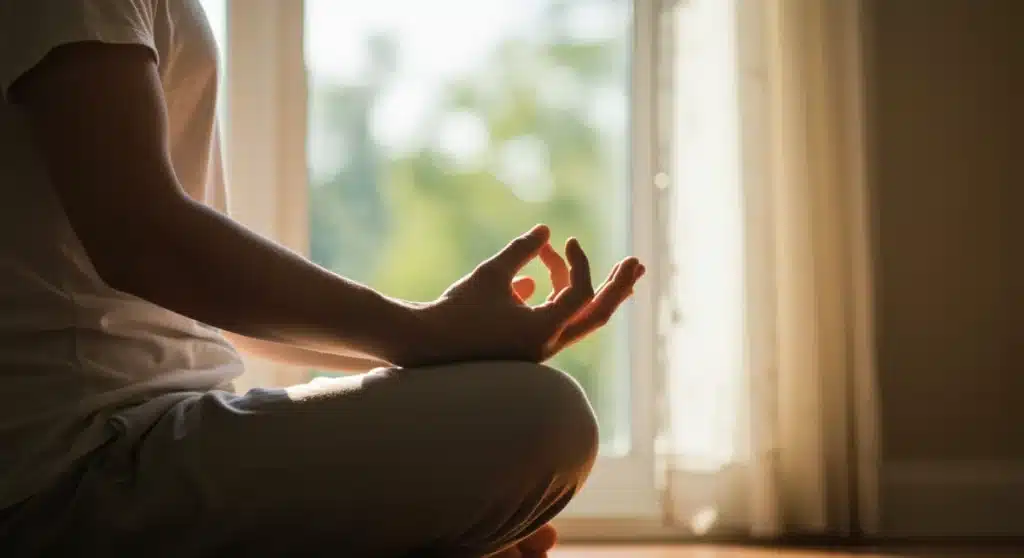
Integrating just 15 minutes of daily spiritual practice can significantly reduce stress and cultivate inner serenity, offering a transformative path to improved well-being for individuals across the US in 2026.
In the relentless pace of modern life, especially across the United States, finding moments of peace can feel like an impossible task. Yet, imagine a simple, accessible solution that promises to guide you from stress to serenity: how 15 minutes of daily spiritual practice can transform your 2026 in the US. This isn’t just a fleeting trend; it’s a profound shift towards sustainable well-being.
The Unseen Epidemic: Stress in Modern America
Life in the US, particularly in its bustling urban centers and demanding professional environments, often feels like a constant sprint. The pressure to succeed, the perpetual connectivity of the digital age, and the sheer volume of daily responsibilities contribute to an escalating national stress level. This isn’t merely an inconvenience; it’s a silent epidemic impacting mental, emotional, and physical health, making the search for tranquility more urgent than ever.
The consequences of chronic stress are far-reaching, manifesting as anxiety, sleep disturbances, burnout, and even compromised immune systems. Many turn to temporary fixes, but these rarely address the root cause of the disquiet. What’s truly needed is a sustainable, deeply rooted approach to cultivate inner peace and resilience. This section explores the pervasive nature of stress and sets the stage for understanding the transformative power of spiritual practices.
In conclusion, the prevalence of stress in contemporary American society demands effective and accessible solutions. Understanding its multifaceted nature, from external triggers to internal responses, highlights the critical need for practices that foster deep serenity and resilience. This foundational understanding paves the way for exploring how spiritual engagement can serve as a powerful antidote.
Defining Spiritual Practice: More Than Religion
When we talk about spiritual practice, it’s crucial to clarify that this concept extends far beyond traditional religious dogma. While religion can certainly be a path to spiritual growth, spiritual practice itself is a broader, more inclusive journey towards inner peace, purpose, and connection. It encompasses any activity that helps an individual connect with their inner self, a higher power, or a sense of universal interconnectedness.
For many, this might involve mindfulness, meditation, prayer, or spending time in nature. For others, it could be creative expression, acts of service, or contemplative reading. The essence lies in intentionally carving out time for introspection and connection, fostering a deeper understanding of one’s place in the world and cultivating qualities like compassion, gratitude, and presence. This flexibility makes spiritual practice accessible to everyone, regardless of their belief system or background.
Common Spiritual Practices Accessible to All
There’s a rich tapestry of spiritual practices, each offering a unique pathway to serenity. The key is to find what resonates most deeply with you, what feels authentic and sustainable for a daily commitment. These practices are not about rigid rules but about cultivating a personal relationship with your inner world and the broader universe.
- Mindful Meditation: Focusing on breath, bodily sensations, or a mantra to calm the mind.
- Gratitude Journaling: Regularly listing things you are thankful for, shifting perspective towards positivity.
- Nature Immersion: Spending time outdoors, observing and connecting with the natural world.
- Contemplative Reading: Engaging with texts that inspire reflection and personal growth.
- Conscious Movement: Practices like yoga or tai chi that integrate physical activity with breath and awareness.
The beauty of these practices is their adaptability. They don’t require special equipment or extensive training, only a willingness to set aside a small portion of your day. The goal is not perfection, but consistent engagement, allowing the cumulative effect of these small efforts to build profound inner strength and peace. This understanding frees individuals from the misconception that spiritual practice must be complex or tied to specific institutions.
In essence, spiritual practice is a highly personal and adaptable endeavor, distinct from, yet often complementing, religious observance. Its diverse forms offer myriad ways to foster connection, purpose, and inner peace, making it a powerful tool for navigating the complexities of modern life. The next step is to explore how a mere 15 minutes can unlock these profound benefits.
The Power of 15 Minutes: Why Consistency Trumps Duration
In a world that often glorifies extended retreats and intensive courses, the idea that just 15 minutes of daily spiritual practice can be transformative might seem counterintuitive. However, the true power lies not in the duration, but in the consistency and intentionality of the practice. A brief, focused daily engagement builds momentum, creating a cumulative effect that far outweighs sporadic, longer sessions.
Think of it like watering a plant: a little water every day ensures steady growth, whereas infrequent deluges can be overwhelming or insufficient. Fifteen minutes is an achievable commitment for almost everyone, making it less intimidating and easier to integrate into busy schedules. This small window of time becomes a sacred space, a non-negotiable appointment with your inner self, signaling to your mind and body that self-care and spiritual nourishment are priorities.
Building a Sustainable Daily Habit
The key to harnessing the power of 15 minutes is to establish it as a non-negotiable daily habit. This involves strategic planning and a commitment to showing up, even on days when motivation is low. The initial challenge is often overcoming inertia, but once the habit is formed, it becomes a natural and anticipated part of your routine, much like brushing your teeth or having your morning coffee.
To make it stick, consider these practical tips:
- Choose Your Time Wisely: Identify a consistent slot, such as first thing in the morning, during a lunch break, or before bed.
- Create a Sacred Space: Designate a quiet corner or area where you can engage without distractions.
- Start Small and Simple: Don’t try to do too much at once. Begin with a single practice and gradually expand if desired.
- Be Patient and Kind to Yourself: There will be days you miss or feel unfocused. Acknowledge it, and gently return to your practice the next day.
The cumulative effect of these brief, consistent moments is where the real transformation occurs. Over weeks and months, these 15 minutes begin to rewire your brain, enhance your emotional regulation, and deepen your sense of purpose. It proves that significant change doesn’t always require grand gestures; often, it’s the small, daily commitments that yield the most profound results.
In summary, the effectiveness of spiritual practice is amplified by consistency, making 15 minutes a day a powerful and practical commitment. This manageable duration fosters habit formation, leading to sustained personal growth and a deeper sense of serenity over time. The next section will delve into the tangible benefits this practice offers.
Tangible Benefits: From Stress Reduction to Enhanced Well-being
The impact of a consistent 15-minute daily spiritual practice extends far beyond momentary calm; it precipitates a cascade of tangible benefits that profoundly enhance overall well-being. Individuals who commit to such a routine often report a noticeable decrease in stress levels, a greater capacity for emotional resilience, and an improved sense of clarity and purpose. These aren’t just subjective feelings; scientific research increasingly supports the physiological and psychological advantages of regular contemplative practices.
From a biological perspective, spiritual practices can help regulate the nervous system, reducing the production of stress hormones like cortisol and promoting the release of feel-good neurotransmitters. Psychologically, they cultivate mindfulness, allowing individuals to observe their thoughts and feelings without judgment, thereby reducing the grip of anxious rumination. This holistic transformation contributes to a more balanced, joyful, and meaningful existence, directly addressing the stressors of modern American life.
Psychological and Emotional Advantages
The psychological and emotional benefits are among the most immediate and impactful. A daily spiritual practice acts as an anchor, grounding individuals amidst life’s storms and fostering a deeper connection to their inner resources. This internal stability is invaluable in navigating the complexities of 2026.
- Reduced Anxiety and Depression: Regular practice can significantly lower symptoms of both.
- Improved Emotional Regulation: Enhances the ability to manage and respond to emotions constructively.
- Increased Self-Awareness: Cultivates a deeper understanding of one’s thoughts, feelings, and motivations.
- Greater Empathy and Compassion: Fosters a stronger connection to others and a more compassionate outlook.
These benefits are not merely about feeling better; they are about functioning better. With reduced stress and enhanced emotional intelligence, individuals are better equipped to handle challenges, maintain healthier relationships, and make more conscious decisions. This internal shift radiates outwards, positively influencing all areas of life, from professional performance to personal contentment.

In conclusion, the daily practice of spiritual disciplines, even for a short duration, yields profound and measurable benefits. It’s a proactive investment in mental and emotional health, offering a robust defense against stress and a pathway to a more fulfilled and serene life. These advantages underscore the practical value of integrating spiritual practices into daily routines.
Integrating Practice Into a Busy US Lifestyle in 2026
The common refrain, “I don’t have time,” often stands as the biggest barrier to adopting new habits, especially spiritual ones. However, the beauty of a 15-minute daily spiritual practice lies in its inherent flexibility, making it remarkably adaptable to even the most demanding US lifestyles in 2026. The key is to stop viewing it as an additional task and start seeing it as an essential pause, a non-negotiable moment for self-recalibration that ultimately enhances productivity and well-being.
Integrating this practice doesn’t require overhauling your entire schedule; it demands smart integration. This could mean waking up 15 minutes earlier, utilizing a commute, or transforming a coffee break into a mindful moment. The goal is to weave these sacred moments seamlessly into the existing fabric of your day, making them as routine and indispensable as any other daily activity. This mindful approach ensures that spiritual growth is not a luxury but a fundamental component of a balanced life.
Practical Strategies for Seamless Integration
Making spiritual practice a consistent part of a busy day requires deliberate planning and a willingness to experiment. Tailoring the practice to your personal rhythm and responsibilities is crucial for long-term adherence. Consider these actionable strategies to embed your 15 minutes of serenity.
- Morning Rituals: Begin your day with meditation or gratitude journaling before the demands of the day begin.
- Lunchtime Recharge: Use a portion of your lunch break for a walking meditation or quiet contemplation.
- Commute Mindfulness: Instead of mindlessly scrolling, engage in mindful breathing or listen to spiritual podcasts during your commute.
- Evening Wind-Down: Practice gentle yoga or reflective prayer before bed to prepare for restful sleep.
The success of integration often hinges on consistency and setting realistic expectations. Don’t aim for perfection; aim for presence. Some days might be more challenging than others, but the commitment to returning to the practice is what truly matters. By actively seeking and creating these small windows of spiritual engagement, you transform your day, one mindful moment at a time, proving that even the busiest schedules can accommodate profound personal growth.
In conclusion, incorporating a 15-minute daily spiritual practice into a busy US lifestyle in 2026 is entirely achievable through strategic planning and intentional integration. By viewing this time as essential and adapting practices to existing routines, individuals can unlock profound benefits without sacrificing their daily responsibilities. This adaptability is key to making spiritual growth a sustainable part of modern life.
Overcoming Common Obstacles to Daily Practice
Embarking on a journey of daily spiritual practice, while deeply rewarding, is not without its challenges. Common obstacles often arise, ranging from the pervasive feeling of “not having enough time” to self-doubt about the effectiveness of the practice itself. Distractions, fluctuating motivation, and the misconception that one needs a specific spiritual inclination can all derail even the most well-intentioned efforts. Recognizing these hurdles is the first step towards developing strategies to overcome them, ensuring a smoother and more consistent path to serenity.
It’s important to approach these obstacles with patience and self-compassion, understanding that they are a natural part of any new habit formation. The goal is not to eliminate them entirely, but to develop resilience and adaptability in the face of them. By anticipating these challenges and having a plan, individuals can transform potential stumbling blocks into stepping stones on their spiritual journey, reinforcing their commitment to personal growth and well-being.
Strategies for Sustained Engagement
Sustaining a daily spiritual practice requires a combination of practical strategies and a shift in mindset. It’s about creating an environment that supports your commitment and developing internal resources to navigate inevitable setbacks.
- Set Realistic Expectations: Don’t aim for immediate enlightenment; focus on small, consistent progress.
- Find an Accountability Partner: Share your goals with a friend or join a community for mutual support.
- Vary Your Practice: If one method feels stale, try another. The goal is connection, not rigid adherence to a single technique.
- Journal Your Progress: Documenting your experiences can highlight subtle shifts and reinforce motivation.
- Reframe Setbacks: View missed days not as failures, but as opportunities to recommit with renewed intention.
The journey of spiritual practice is a marathon, not a sprint. There will be days of deep connection and days of distraction. The key is to cultivate a gentle persistence, reminding yourself of the profound benefits that even a brief daily engagement can bring. By proactively addressing common obstacles, you empower yourself to maintain a consistent and meaningful practice, transforming your relationship with stress and cultivating enduring serenity.
In conclusion, overcoming the inherent challenges to daily spiritual practice involves recognizing common obstacles and implementing strategic solutions. Through patience, adaptability, and a proactive approach, individuals can sustain their commitment, ensuring a consistent path towards greater peace and well-being. This resilience is fundamental to the long-term success of any spiritual journey.
Your Transformed 2026: A Vision of Serenity and Purpose
As we look towards 2026, imagine a year where the pervasive grip of stress loosens, replaced by a profound sense of serenity, clarity, and purpose. This isn’t a utopian fantasy but a tangible reality achievable through the simple yet powerful commitment of 15 minutes of daily spiritual practice. The cumulative effect of these brief, intentional moments will not only redefine your relationship with stress but also infuse every aspect of your life with deeper meaning and resilience.
Your transformed 2026 will be marked by an enhanced ability to navigate challenges with grace, to connect more authentically with others, and to experience a richer, more vibrant inner life. This internal shift will radiate outwards, positively influencing your relationships, career, and overall sense of fulfillment. It’s an investment in your most valuable asset: your inner peace.
Embracing a Future of Inner Peace
The vision of a transformed 2026 is one where you are not merely surviving but thriving, equipped with the internal tools to meet life’s demands with equanimity. This future is built on the foundation of consistent spiritual nourishment, allowing you to move through the world with a sense of groundedness and purpose.
- Reduced Reactivity: Respond to situations with thoughtful presence rather than impulsive stress.
- Increased Joy: Discover greater appreciation for small moments and everyday blessings.
- Clearer Decision-Making: Access inner wisdom to make choices aligned with your true values.
- Deeper Connections: Foster more meaningful relationships rooted in empathy and understanding.
The journey from stress to serenity is not about escaping reality, but about cultivating the inner resources to engage with it more fully and authentically. By committing to just 15 minutes of daily spiritual practice, you are not just managing stress; you are actively shaping a future where peace, purpose, and well-being are not merely aspirations but lived experiences. Your 2026 awaits, ready to be transformed by your intentional commitment to inner growth.
In conclusion, a consistent 15-minute daily spiritual practice offers a powerful pathway to a transformed 2026, characterized by serenity, clarity, and purpose. This vision is not merely aspirational but achievable through sustained commitment, leading to enhanced well-being and a richer engagement with life. The conscious decision to prioritize this practice is an investment in a future defined by inner peace.
| Key Practice | Brief Description |
|---|---|
| Mindful Meditation | Focusing on breath and present moment awareness to calm the mind. |
| Gratitude Journaling | Daily listing of things to be thankful for, shifting perspective positively. |
| Nature Immersion | Spending time outdoors to connect with the natural environment and find peace. |
| Conscious Movement | Practices like yoga or tai chi that combine physical activity with mindfulness. |
Frequently Asked Questions About Daily Spiritual Practice
A spiritual practice is any intentional activity that helps you connect with your inner self, a higher purpose, or a sense of universal interconnectedness. It’s often distinct from religion, focusing on personal growth, introspection, and cultivating qualities like peace, gratitude, and compassion. Examples include meditation, journaling, or spending mindful time in nature.
The power of 15 minutes lies in its consistency, not its duration. Short, regular engagements build habits and create cumulative positive effects over time. It’s an achievable commitment that minimizes resistance and makes it easier to integrate into busy schedules, leading to sustainable spiritual growth and stress reduction.
Spiritual practices reduce stress by activating the parasympathetic nervous system, lowering stress hormones like cortisol, and promoting mindfulness. They help you observe thoughts without judgment, improve emotional regulation, and foster a sense of inner calm and resilience, counteracting the physiological and psychological impacts of chronic stress.
Absolutely. Spiritual practice is inclusive and not tied to any specific religion. Its benefits are universal, focusing on inner peace, self-awareness, and connection. Many practices like mindfulness, gratitude, or nature walks are entirely secular and accessible to everyone, regardless of their religious beliefs or lack thereof.
Start by identifying a consistent 15-minute slot, such as early morning, during a commute, or before bed. Choose a simple practice like focused breathing or gratitude journaling. Create a quiet space, set realistic expectations, and be patient with yourself. Consistency is key, even if you miss a day, just gently return to your practice.
Conclusion
The journey from overwhelming stress to profound serenity is not an unattainable ideal but a practical reality, especially for those navigating the demands of life in the US in 2026. By committing to just 15 minutes of daily spiritual practice, you unlock a powerful pathway to sustained well-being, emotional resilience, and a deeper sense of purpose. This small, consistent investment in your inner world promises to transform your year, fostering a life rich in peace, clarity, and authentic connection. Embrace this accessible path to a more serene and fulfilling future.