Beyond the Hype: 4 Data-Driven Spiritual Growth Trends to Embrace in the US by January 2026
In an ever-evolving world, the quest for meaning, purpose, and inner peace remains a fundamental human endeavor. Spiritual growth, once a concept often confined to traditional religious institutions, has expanded into a vast and diverse landscape, influenced by technological advancements, societal shifts, and a renewed emphasis on personal well-being. As we approach January 2026, the United States is witnessing a fascinating convergence of ancient wisdom and modern innovation, shaping distinctive spiritual growth trends. This article delves deep into four key data-driven trends that are not just fads but represent significant shifts in how Americans are approaching their spiritual journeys.
The landscape of spirituality is no longer monolithic. It’s a dynamic ecosystem where individuals are increasingly curating their paths, drawing from a multitude of sources and experiences. This personalized approach is fueled by an abundance of information, accessible tools, and a growing desire for authenticity and relevance. Understanding these evolving spiritual growth trends is crucial for anyone seeking to navigate their own spiritual development or to support others in theirs.
Our analysis is grounded in data, examining recent surveys, demographic shifts, digital engagement patterns, and the proliferation of new spiritual modalities. We aim to cut through the noise and identify the genuine, impactful movements that will define spiritual growth in the coming years. From the rise of personalized spiritual technologies to the resurgence of nature-based practices, these trends offer a compelling glimpse into the future of American spirituality.
The insights presented here are not merely observational; they are actionable. Whether you are an individual on a spiritual quest, a leader in a faith community, or a developer of spiritual resources, understanding these trends can help you to better align with the evolving needs and aspirations of a diverse populace. Let’s embark on this journey to explore the future of spiritual growth trends in the US.
1. The Rise of Personalized & AI-Driven Spiritual Guidance
One of the most significant spiritual growth trends emerging is the integration of artificial intelligence and personalized algorithms into spiritual practices. Gone are the days when spiritual guidance was solely the domain of gurus or religious texts. Today, individuals are increasingly turning to apps, AI-powered platforms, and personalized digital programs to tailor their spiritual journeys.
Data indicates a substantial increase in downloads and subscriptions for mindfulness and meditation apps. These platforms often leverage AI to recommend specific meditations, affirmations, or journaling prompts based on a user’s mood, goals, and past interactions. This personalization extends beyond simple recommendations; some advanced platforms are developing AI companions that offer conversational spiritual coaching, adapting to an individual’s unique beliefs and challenges.
The appeal of this trend lies in its accessibility and customization. For many, traditional spiritual paths can feel rigid or unsuited to their individual needs. AI-driven guidance offers a flexible, on-demand alternative that can be integrated seamlessly into busy modern lives. It democratizes access to spiritual practices, making them available to anyone with a smartphone.
Data Supporting This Trend:
- App Usage: Reports from market research firms show a consistent year-over-year growth in the mindfulness and meditation app market, projected to reach billions in revenue by 2026. User engagement metrics, such as daily active users and session duration, are also on an upward trajectory.
- Demographic Shift: Younger generations, particularly Gen Z and Millennials, who are digital natives, are more inclined to explore spiritual concepts through technological interfaces. They are comfortable with AI and view it as a tool for personal growth, not just entertainment.
- Personalization Demand: Consumer data across various sectors highlights a strong preference for personalized experiences. This demand naturally extends to spiritual practices, where individuals seek guidance that resonates deeply with their unique inner landscape.
However, this trend also presents challenges. Questions about data privacy, the potential for algorithmic bias, and the depth of connection offered by AI versus human interaction are valid concerns. Yet, the momentum behind personalized and AI-driven spiritual guidance is undeniable, positioning it as a cornerstone of future spiritual growth trends.
Embracing this trend means exploring reputable apps and platforms, understanding their methodologies, and critically evaluating how they contribute to your spiritual well-being. It’s about leveraging technology as a tool, not a replacement, for your inner work.
2. The Resurgence of Nature-Based Spirituality and Eco-Consciousness
In an increasingly urbanized and digitally saturated world, many Americans are finding solace and spiritual connection by returning to nature. This trend, often intertwined with growing eco-consciousness, emphasizes the spiritual dimensions of the natural world and the importance of environmental stewardship. It represents a significant shift in spiritual growth trends, moving away from purely anthropocentric views toward a more holistic, interconnected understanding of existence.
Practices such as forest bathing (shinrin-yoku), nature meditation, shamanic journeys, and indigenous spiritual traditions are gaining widespread popularity. People are seeking profound experiences in wilderness settings, believing that direct engagement with nature can foster a deeper sense of belonging, peace, and spiritual awakening. This isn’t merely about appreciating beauty; it’s about recognizing the sacredness inherent in ecosystems and the profound lessons nature offers.
The link between eco-consciousness and spiritual growth is becoming stronger. As individuals become more aware of environmental crises, many are finding a spiritual imperative to protect the planet. This translates into activism, sustainable living choices, and a spiritual practice rooted in reverence for Earth. This movement is not confined to any single religious tradition; rather, it’s a broad, inclusive approach to spirituality that transcends denominational boundaries.
Data Supporting This Trend:
- Outdoor Activity Increase: Post-pandemic, there has been a documented surge in outdoor recreational activities, including hiking, camping, and nature retreats. Many participants report a significant improvement in mental and spiritual well-being as a result.
- Growth in Eco-Spiritual Movements: The proliferation of workshops, books, and communities centered around eco-spirituality, animism, and earth-based religions indicates a rising interest. Search engine trends for terms like ‘nature meditation’ and ‘forest bathing’ also show sustained growth.
- Environmental Concern Surveys: Public opinion polls consistently show high levels of concern for environmental issues across all demographics. For many, this concern is evolving into a spiritual calling to act responsibly towards the planet.
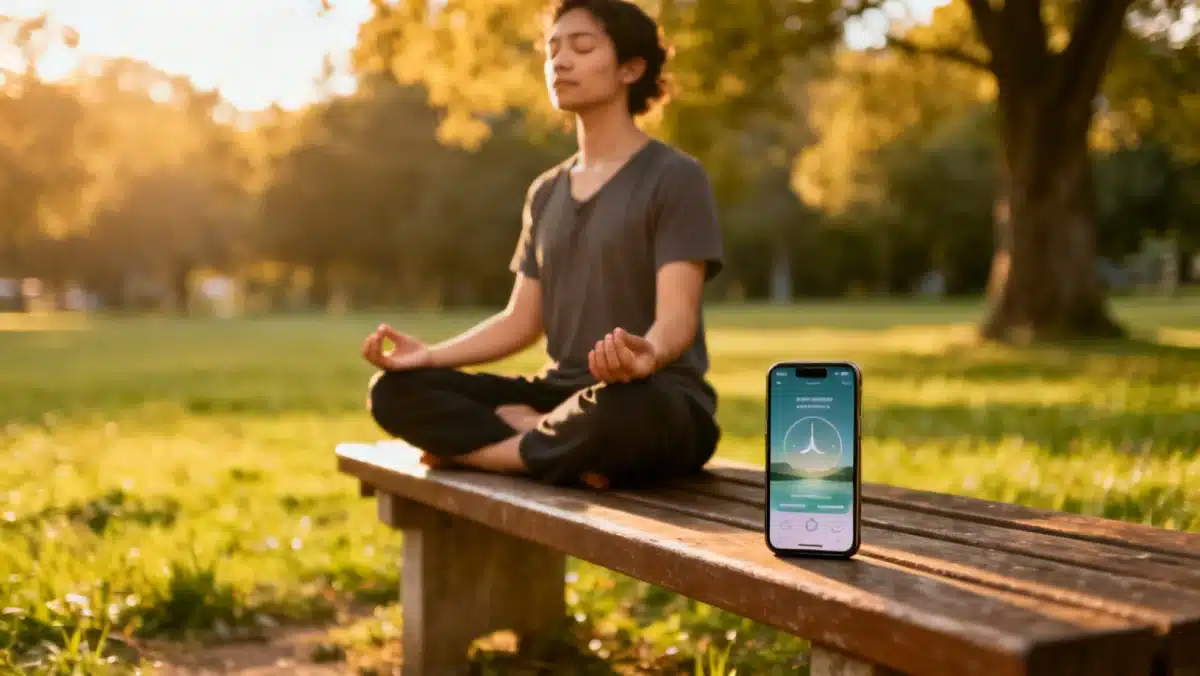
Embracing nature-based spirituality involves spending intentional time outdoors, cultivating a sense of wonder and gratitude for the natural world, and actively participating in environmental conservation efforts. It’s a powerful antidote to the stresses of modern life and a pathway to a more grounded and interconnected spiritual existence.
3. The Blurring Lines: Interfaith Dialogue and Hybrid Spiritual Practices
The third significant trend reshaping the spiritual landscape is the increasing fluidity of spiritual identity, leading to a rise in interfaith dialogue and hybrid spiritual practices. Americans are less likely to adhere strictly to a single religious doctrine or spiritual path. Instead, many are drawing wisdom and practices from multiple traditions, creating highly personalized and eclectic spiritual frameworks. This represents a profound evolution in spiritual growth trends, moving beyond rigid dogma towards a more inclusive and exploratory approach.
This trend is characterized by a willingness to explore different faiths, philosophies, and spiritual techniques without necessarily converting or committing exclusively to one. An individual might practice mindfulness meditation rooted in Buddhism, attend a Christian church, study Kabbalah, and engage in indigenous rituals, all within their personal spiritual journey. The emphasis is on finding what resonates personally and contributes to one’s spiritual growth, rather than conforming to prescribed doctrines.
Interfaith dialogue is a natural consequence of this blurring of lines. As individuals encounter diverse spiritual perspectives, there’s a greater desire to understand and connect with others from different backgrounds. This fosters a sense of universal spirituality, emphasizing shared human values and experiences over theological differences.
Data Supporting This Trend:
- Religious ‘Nones’ and ‘Dones’: Pew Research Center data consistently shows a rise in individuals identifying as ‘none’ (no religious affiliation) or ‘spiritual but not religious.’ However, many in these categories are actively engaged in spiritual practices, indicating a departure from institutional religion, not from spirituality itself.
- Growth of Interfaith Organizations: There’s a documented increase in the number and activity of interfaith organizations, workshops, and retreats across the US, signaling a growing desire for cross-cultural spiritual exchange.
- Consumer Behavior: The market for spiritual books, workshops, and online courses reflects this hybrid approach, with offerings that often blend elements from various traditions (e.g., ‘Christian Yoga,’ ‘Buddhist Business Principles’).
Embracing this trend means cultivating an open mind, engaging in respectful dialogue with people of different beliefs, and being willing to explore practices and wisdom from diverse traditions. It’s about building bridges, fostering understanding, and recognizing the common threads that weave through humanity’s spiritual quest. This dynamic approach to spirituality enriches personal experience and promotes greater harmony in a pluralistic society, marking a pivotal direction for spiritual growth trends.
4. The Community-Driven Digital & Local Spiritual Hubs
While technology often enables individualized spiritual practices, it also plays a crucial role in fostering new forms of community. The fourth major trend involves the emergence of both digital and localized spiritual hubs, where individuals gather to share, learn, and grow together. This trend highlights the enduring human need for connection and belonging within the context of spiritual exploration, a vital component of evolving spiritual growth trends.
Digital spiritual hubs manifest as online forums, social media groups, virtual retreats, and subscription-based communities centered around specific spiritual teachers, practices, or philosophies. These platforms offer a sense of belonging and support, especially for those in geographical areas with limited local options or for individuals seeking niche spiritual interests. They provide spaces for shared learning, accountability, and the formation of meaningful connections irrespective of physical location.
Concurrently, there’s a rise in local, non-traditional spiritual hubs. These are often not formal religious institutions but rather community centers, co-working spaces, or even cafes that host meditation groups, spiritual workshops, conscious dance events, or discussion circles. They cater to a desire for face-to-face interaction and provide a more intimate, localized sense of community than large traditional institutions might offer.
Data Supporting This Trend:
- Online Community Engagement: Social media analytics show significant engagement within spiritual and wellness groups. Platforms like Facebook Groups, Reddit, and Discord host thriving communities dedicated to topics ranging from astrology to Zen Buddhism, with high levels of interaction and content sharing.
- Event Participation: Data from event platforms (e.g., Meetup, Eventbrite) indicates a steady increase in attendance for local spiritual and wellness events, particularly those focused on meditation, yoga, sound healing, and holistic well-being.
- Subscription Model Growth: The success of Patreon and similar platforms for spiritual teachers and content creators demonstrates a willingness among individuals to financially support and actively participate in online spiritual communities.

The power of these community-driven hubs lies in their ability to provide support, validation, and a shared space for growth. Whether digital or local, they address the fundamental human need for connection in a spiritual context. For anyone looking to deepen their spiritual practice, finding or creating such a community can be transformative. This trend underscores that even in an era of personalization, shared spiritual journeys remain incredibly potent, shaping the future of spiritual growth trends in profound ways.
Navigating the Future of Spiritual Growth
As we look towards January 2026, these four spiritual growth trends paint a compelling picture of a dynamic, individualized, yet interconnected spiritual landscape in the US. The integration of technology, a renewed reverence for nature, the fluidity of interfaith exploration, and the emergence of diverse community hubs are not isolated phenomena. Rather, they are interconnected forces shaping how individuals seek meaning and cultivate their inner lives.
The common thread woven through all these trends is a profound desire for authenticity and personal resonance. Individuals are no longer content with prescribed paths; they are actively seeking experiences, practices, and communities that genuinely align with their evolving understanding of themselves and the world. This shift empowers individuals to be the architects of their own spiritual journeys, fostering a more engaged and meaningful approach to personal development.
Implications for Individuals:
- Embrace Exploration: Be open to trying new practices and learning from diverse traditions. Your spiritual path doesn’t have to fit into a predefined box.
- Leverage Technology Wisely: Use apps and AI tools as aids for your practice, but always maintain a critical perspective and prioritize genuine inner work over passive consumption.
- Connect with Nature: Intentionally spend time outdoors, observing and appreciating the natural world. Consider how your actions impact the environment and integrate eco-consciousness into your spiritual values.
- Seek Community: Whether online or in-person, find groups that resonate with your spiritual interests. Shared experiences can provide invaluable support and insight.
- Cultivate Self-Awareness: Understand what truly nourishes your soul and what feels authentic to you. This self-knowledge is the compass for your spiritual journey.
Implications for Leaders and Institutions:
- Adapt and Innovate: Traditional religious institutions and spiritual organizations must adapt their offerings to meet the evolving needs of a diverse populace. This might mean incorporating digital tools, fostering interfaith dialogue, or emphasizing environmental stewardship.
- Focus on Authenticity: People are drawn to genuine experiences and leaders who embody their teachings. Transparency and integrity are paramount.
- Facilitate Connection: Create spaces, both physical and virtual, where individuals can connect, share, and grow together. Community building is more crucial than ever.
- Promote Inclusivity: Embrace diversity in all its forms, welcoming individuals from various backgrounds and spiritual perspectives.
The future of spiritual growth in the US is bright with possibilities. It’s a future where ancient wisdom meets cutting-edge technology, where personal insight is balanced with communal support, and where the sacred is found not just in temples but in the quietude of nature and the algorithms of an app. By understanding and embracing these data-driven spiritual growth trends, we can all contribute to a more profound, meaningful, and interconnected spiritual future.
The journey of spiritual growth is deeply personal, yet it is also profoundly influenced by the collective currents of society. The trends we’ve explored—personalized AI guidance, nature-based spirituality, interfaith fluidity, and community hubs—are not just abstract concepts. They are living, breathing movements that reflect the evolving consciousness of millions of Americans. As we move closer to 2026, these trends will continue to mature, offering new pathways and opportunities for individuals to explore the depths of their own being and connect with something larger than themselves.
Ultimately, the goal of spiritual growth remains constant: to foster inner peace, cultivate compassion, and live a life filled with purpose. The methods, however, are continually adapting. By staying informed about these spiritual growth trends, we can better equip ourselves to navigate this exciting and transformative landscape, ensuring that our spiritual journeys are as rich, relevant, and fulfilling as possible. The data speaks volumes: the spiritual quest in America is vibrant, innovative, and deeply committed to personal and collective well-being.
Let us not merely observe these changes but actively participate in shaping a spiritual future that is inclusive, empowering, and deeply resonant with the human spirit. The path ahead is one of exploration, connection, and continuous discovery, guided by both timeless wisdom and the innovative spirit of our age.