Cosmic Dust 2026: Unveiling Earth’s Interstellar Future
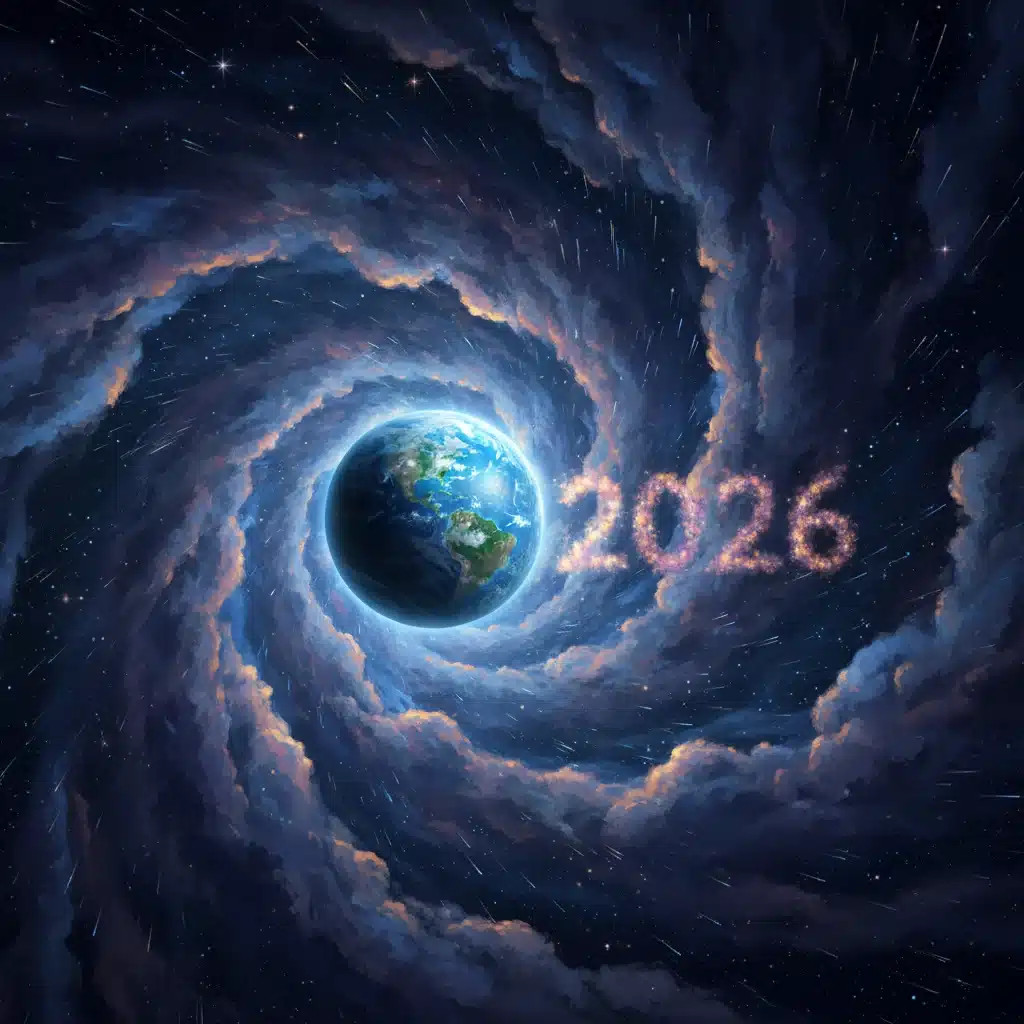
The universe is a vast, enigmatic tapestry, woven with stars, galaxies, and an incredible amount of what we often dismiss as ‘nothing’ – the vacuum of space. Yet, within this apparent void lies a phenomenon of profound significance: cosmic dust. These microscopic particles, remnants of stellar explosions, planetary formation, and interstellar wanderings, constantly drift through our solar system, occasionally interacting with our home planet. As we approach the year 2026, scientific communities worldwide are buzzing with anticipation and focused research on the potential impact and discoveries related to Cosmic Dust 2026. This isn’t just about tiny specks; it’s about understanding our cosmic origins, predicting future environmental changes, and perhaps even unlocking secrets to life beyond Earth.
What Exactly is Cosmic Dust? An Introduction to Interstellar Particles
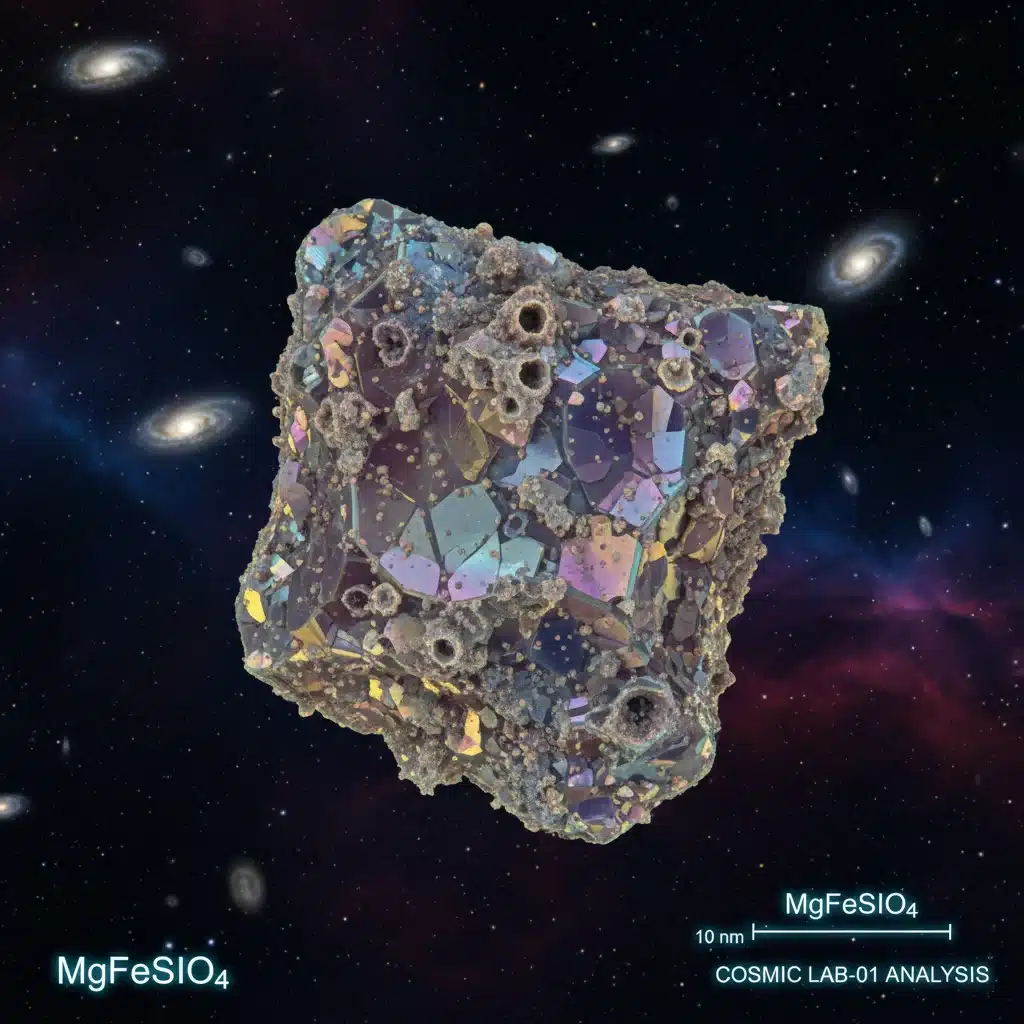
Before delving into the specifics of Cosmic Dust 2026, it’s crucial to grasp what cosmic dust entails. Cosmic dust, also known as interstellar dust or space dust, refers to dust in space. It’s composed of tiny solid particles ranging in size from a few molecules to 0.1 µm (micrometers). These particles are found throughout galaxies, including our own Milky Way, and play a critical role in various astrophysical processes. They are often made of silicates, carbonaceous materials, ice, and even complex organic molecules. Their origins are diverse: some are ejected from dying stars (supernovae or red giants), others condense in the cool outer atmospheres of stars, and some are formed in the interstellar medium through accretion processes. This constant influx of material, while seemingly insignificant on an individual particle level, collectively contributes to the chemical evolution of the universe and provides the building blocks for new stars and planetary systems.
The study of cosmic dust is a multidisciplinary field, encompassing astronomy, physics, chemistry, and geology. Scientists analyze dust particles collected from Earth’s atmosphere, polar ice, and even returned samples from comets and asteroids. Each particle tells a story, a tiny messenger from the distant past and far reaches of the cosmos. Understanding their composition, velocity, and distribution is key to predicting their interactions with Earth and other celestial bodies. The anticipation surrounding Cosmic Dust 2026 stems from enhanced observation capabilities and predictive models that suggest a period of heightened activity or specific events related to these particles.
The Scientific Discoveries Driving Interest in Cosmic Dust 2026
Recent advancements in space technology and observational astronomy have significantly propelled our understanding of cosmic dust. Missions like NASA’s Stardust, which collected samples from Comet Wild 2 and interstellar dust, have provided invaluable direct evidence of their composition and origins. Ground-based telescopes, equipped with sophisticated adaptive optics, and space-based observatories, such as the James Webb Space Telescope, are continually mapping dust clouds in distant galaxies and within our own. These discoveries are laying the groundwork for the focus on Cosmic Dust 2026.
One of the most intriguing discoveries relates to the role of cosmic dust in the formation of complex organic molecules – the very precursors to life. Experiments simulating conditions in space, combined with analyses of meteorites, suggest that cosmic dust grains can act as catalytic surfaces where simple atoms combine to form more intricate compounds. This has profound implications for astrobiology, suggesting that the ingredients for life might be widespread throughout the universe, delivered to nascent planets via these very dust particles. The heightened focus on Cosmic Dust 2026 is partly driven by the hope of identifying specific dust streams that might carry such biogenic materials, offering a unique opportunity for in-depth analysis.
Furthermore, the detection of interstellar objects, like ‘Oumuamua and Comet Borisov, has demonstrated that our solar system is not isolated but is constantly traversed by visitors from other star systems. These objects carry their own complement of cosmic dust, offering a snapshot of conditions beyond our immediate stellar neighborhood. The increased awareness of such interstellar visitors has sharpened the scientific community’s interest in tracking and characterizing all forms of cosmic dust, especially as we look towards potential anomalies or increased fluxes around Cosmic Dust 2026.
The Anticipated Impact of Cosmic Dust on Earth in 2026
While the term ‘impact’ might conjure images of devastating asteroid collisions, the impact of cosmic dust is far more subtle yet potentially significant. Earth is constantly bombarded by cosmic dust, with estimates suggesting tens of thousands of tons entering our atmosphere annually. Most of this material burns up, creating meteors or ‘shooting stars.’ However, a fraction survives and settles on Earth’s surface, contributing to our planet’s geological and atmospheric processes. The specific interest in Cosmic Dust 2026 arises from predictions of potential variations in this influx.
Atmospheric and Climate Effects
One area of significant research concerns the atmospheric effects of cosmic dust. When these particles enter the upper atmosphere, they can act as condensation nuclei, influencing cloud formation. An increased influx of cosmic dust could potentially alter cloud cover and precipitation patterns, leading to subtle but measurable climate shifts. While the exact magnitude of such an effect in Cosmic Dust 2026 is still under investigation, researchers are developing more sophisticated models to integrate cosmic dust input into climate projections. This could offer new insights into natural climate variability, distinguishing it from anthropogenic climate change.
Furthermore, the chemical composition of cosmic dust, particularly the presence of certain metals, can influence atmospheric chemistry. For instance, the ablation of meteoric smoke (the vaporized remnants of cosmic dust) in the mesosphere can affect ozone chemistry and the formation of noctilucent clouds. Monitoring these effects closely around Cosmic Dust 2026 will be crucial for understanding the complex interplay between extraterrestrial matter and Earth’s atmosphere.
Technological Implications and Satellite Safety
Beyond atmospheric effects, the increased presence of cosmic dust, particularly micrometeoroids, poses a minor but persistent threat to orbiting satellites and space infrastructure. Even micron-sized particles, traveling at cosmic velocities, can cause pitting or damage to spacecraft surfaces. While engineers design satellites with these threats in mind, a predicted increase in the density of Cosmic Dust 2026 could necessitate enhanced shielding or orbital adjustments for sensitive missions. This highlights the practical implications of understanding and predicting cosmic dust fluxes.
Conversely, the study of cosmic dust can also yield technological benefits. The materials science of these tiny particles, especially those with unusual compositions, could inspire new materials for terrestrial applications. Understanding how they withstand extreme temperatures and radiation in space might lead to innovations in aerospace engineering or advanced manufacturing processes. The insights gained from the concentrated efforts around Cosmic Dust 2026 could therefore have unforeseen technological spin-offs.
Monitoring and Prediction: How Scientists Prepare for Cosmic Dust 2026
The scientific community employs a multi-pronged approach to monitor and predict cosmic dust events. This involves a combination of ground-based observations, space-based instruments, and sophisticated computational models. The year Cosmic Dust 2026 is a focal point because of improved data and predictive capabilities.
Advanced Observational Techniques
Radar systems, such as those used for meteor detection, are continuously tracking the entry of dust particles into Earth’s atmosphere. These systems can provide data on the velocity, trajectory, and even composition of incoming cosmic dust. Dedicated space-based dust detectors, like those on the Cassini mission to Saturn or the upcoming Europa Clipper, directly measure dust particles in interplanetary space. These instruments are crucial for understanding the distribution and characteristics of dust streams before they even approach Earth. The cumulative data from these missions helps refine predictions for periods like Cosmic Dust 2026.
Furthermore, laboratory analysis of samples is vital. Scientists analyze cosmic dust collected from the stratosphere by high-altitude aircraft, from deep-sea sediments, and from polar ice cores. These ‘fossil’ dust particles offer a historical record of cosmic dust influx over millennia, allowing researchers to identify long-term trends and anomalies that could inform predictions for Cosmic Dust 2026. The synergy between remote sensing and direct sample analysis provides a comprehensive picture.
Computational Models and Simulations
Sophisticated computer models simulate the dynamics of cosmic dust within our solar system. These models account for gravitational forces from the Sun and planets, solar radiation pressure, and other non-gravitational forces that influence dust particle trajectories. By inputting data from observed dust trails of comets and asteroids, as well as interstellar dust streams, scientists can forecast periods of increased dust density or specific dust events. These simulations are becoming increasingly accurate, allowing for more precise predictions for events such as Cosmic Dust 2026.
The development of artificial intelligence and machine learning is also revolutionizing this field. AI algorithms can process vast amounts of observational data, identify subtle patterns, and improve the accuracy of predictive models. This technological leap is a significant factor in the heightened interest and confidence in forecasting phenomena like Cosmic Dust 2026 with greater detail than ever before.
The Broader Significance of Cosmic Dust for Earth and Humanity
The study of cosmic dust extends far beyond mere scientific curiosity; it touches upon fundamental questions about our existence and the future of our planet. The focus on Cosmic Dust 2026 helps us appreciate our place in the cosmos.
Understanding the Origins of Life and Water
Cosmic dust is not just inert matter; it’s a carrier of complex chemistry. Many scientists believe that a significant portion of Earth’s water, and the organic molecules essential for life, were delivered by comets, asteroids, and indeed, cosmic dust during the early stages of planetary formation. By studying the composition of cosmic dust, especially during periods like Cosmic Dust 2026, we gain insights into the primordial soup from which life emerged. Each particle holds clues to the cosmic delivery mechanisms that made our planet habitable.
The presence of presolar grains – dust particles that predate our solar system – within meteorites and collected cosmic dust samples provides a direct window into the conditions of the interstellar medium before the Sun was born. These microscopic time capsules offer unparalleled opportunities to understand the nucleosynthesis of elements and the chemical evolution of the galaxy, directly informing our understanding of the building blocks that eventually formed Earth and everything on it. The ongoing analysis of these grains is part of the broader effort to understand the context of Cosmic Dust 2026 within cosmic history.
Planetary Protection and Resource Utilization
While the immediate threats from cosmic dust are minimal, understanding its dynamics is crucial for long-term planetary protection strategies. As humanity ventures further into space, establishing bases on the Moon or Mars, comprehending the local dust environment becomes paramount. The lessons learned from monitoring Cosmic Dust 2026 around Earth will be directly applicable to future extraterrestrial outposts, informing the design of habitats and equipment to withstand the constant bombardment of micrometeoroids.
Moreover, cosmic dust represents a potentially vast, untapped resource. While not directly harvestable on Earth in significant quantities, the principles of understanding its composition and distribution could inform future efforts in asteroid mining or in-situ resource utilization beyond Earth. If specific types of cosmic dust are found to be rich in rare elements or water, this could revolutionize space resource strategies. The intensified focus on Cosmic Dust 2026 contributes to this broader vision of space exploration and resource management.
Challenges and Future Directions in Cosmic Dust Research
Despite significant progress, cosmic dust research faces several challenges. One of the primary difficulties is the sheer scale and sparsity of these particles. Detecting and characterizing individual dust grains, especially those of interstellar origin, is like finding a needle in a cosmic haystack. Furthermore, distinguishing between terrestrial contamination and genuine cosmic dust in collected samples requires meticulous scientific rigor. The projected increase in observation and data collection around Cosmic Dust 2026 aims to mitigate some of these challenges.
Another challenge lies in accurately modeling the complex physics of dust interaction with solar radiation, magnetic fields, and other plasma environments. These interactions can significantly alter dust trajectories and properties, making precise predictions difficult. However, ongoing improvements in computational power and theoretical models are continuously refining our understanding. The concentrated effort around Cosmic Dust 2026 will serve as a critical testbed for these advanced models.
The Role of International Collaboration
Cosmic dust research, by its very nature, demands international collaboration. Observatories around the globe contribute to monitoring efforts, and space missions often involve multiple countries. Sharing data, expertise, and resources is essential for making significant breakthroughs. The focus on Cosmic Dust 2026 is fostering even greater collaboration, with research institutions and space agencies worldwide coordinating their efforts to maximize scientific returns.
This collaborative spirit extends to public engagement. Educating the public about the importance of cosmic dust and the science behind it helps foster appreciation for space science and encourages future generations to pursue careers in STEM fields. Major outreach initiatives are planned around Cosmic Dust 2026 to share the excitement of these discoveries with a global audience.
Preparing for the Interstellar Future: What Cosmic Dust 2026 Means for You
While the immediate effects of Cosmic Dust 2026 on daily life are likely to be imperceptible to the average person, the scientific and long-term implications are profound. This period represents a unique opportunity for humanity to deepen its understanding of the universe and our place within it. It’s a reminder that Earth is not an isolated entity but is constantly interacting with the broader cosmos.
For those interested in astronomy, 2026 might offer enhanced opportunities for observing meteor showers, as increased dust flux could lead to more frequent or brighter events. For scientists, it’s a critical window for data collection and hypothesis testing. For policymakers, it’s a chance to consider long-term strategies for space resource management and planetary protection. The discussions and discoveries surrounding Cosmic Dust 2026 will inevitably shape our understanding and approach to space for decades to come.
In essence, Cosmic Dust 2026 symbolizes a moment of heightened awareness and scientific inquiry into the fundamental building blocks of the universe. It underscores the interconnectedness of all cosmic phenomena, from the smallest dust grain to the largest galaxy, and reminds us that the future of Earth is inextricably linked to the ongoing processes of the cosmos. As we move closer to 2026, the scientific community eagerly anticipates the revelations that these tiny messengers from space will bring, further enriching our understanding of the grand cosmic narrative.
Conclusion: Embracing the Cosmic Connection
The journey into understanding cosmic dust is an ongoing adventure, revealing the intricate processes that govern our universe. The year Cosmic Dust 2026 stands as a landmark, a period where dedicated scientific efforts and technological advancements converge to provide unprecedented insights into these microscopic travelers. From their role in forming stars and planets to their subtle influence on Earth’s atmosphere and the potential for carrying the seeds of life, cosmic dust particles are far more than mere space debris.
As we continue to explore the cosmos, the study of cosmic dust will remain at the forefront of scientific inquiry. The discoveries made leading up to and during Cosmic Dust 2026 will undoubtedly expand our horizons, challenge our preconceived notions, and deepen our appreciation for the dynamic, interconnected nature of the universe. It’s an exciting time to be alive, witnessing humanity’s ever-growing grasp of the cosmic forces that shaped our past and will continue to influence our future.