The Aurora Borealis in 2026: Predicting Peak Viewing Opportunities and Understanding Solar Cycle 25’s Influence
Prepare to be mesmerized! The ethereal dance of the Northern Lights, or Aurora Borealis, is one of nature’s most spectacular displays. For enthusiasts and first-time observers alike, 2026 is shaping up to be an exceptionally promising year for witnessing this celestial phenomenon. This comprehensive guide will delve into why the Aurora Borealis 2026 forecast is so exciting, focusing on the powerful influence of Solar Cycle 25 and providing you with the essential knowledge to maximize your chances of a truly unforgettable experience.
Understanding the Aurora Borealis: A Cosmic Light Show
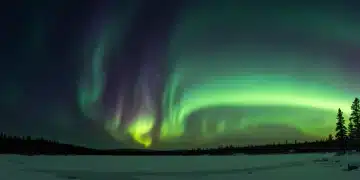
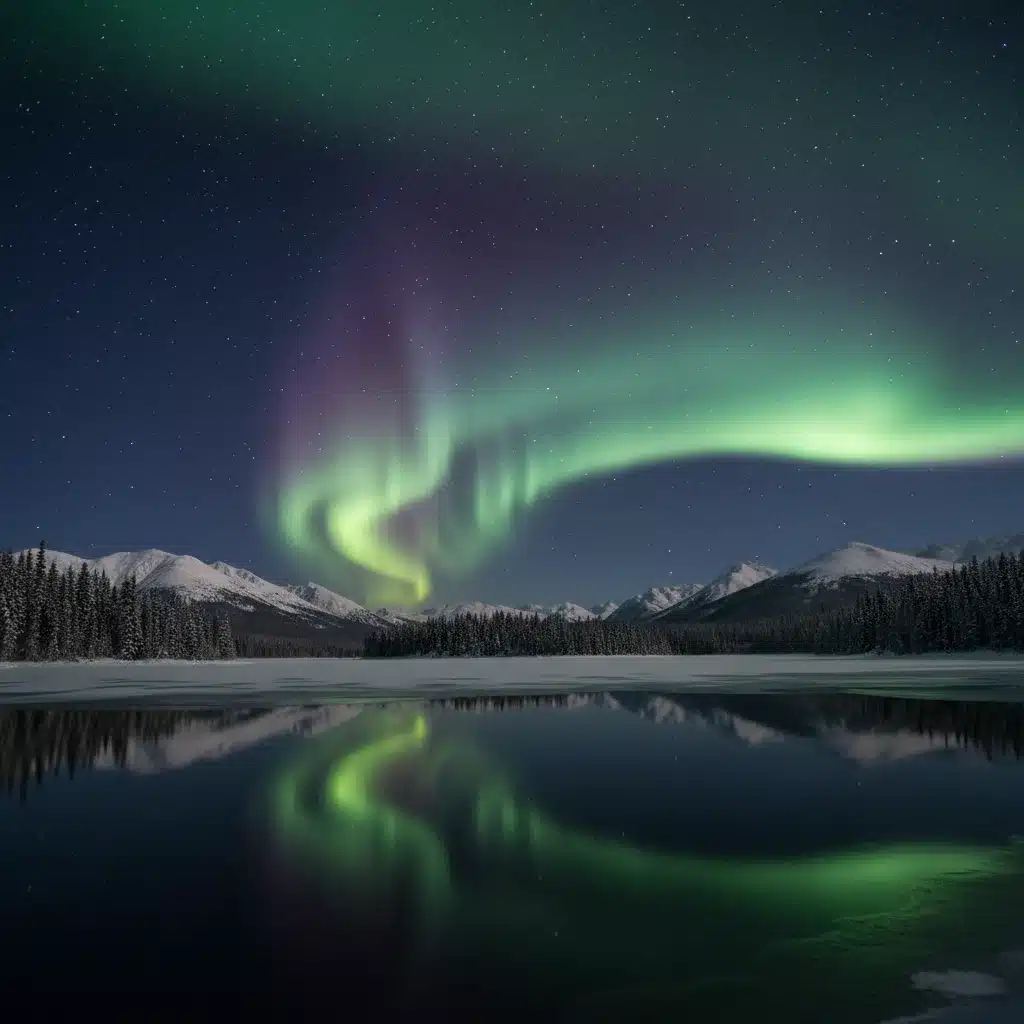
Before we dive into the specifics of the Aurora Borealis 2026, let’s briefly recap what causes this incredible spectacle. The aurora is a natural light display in Earth’s sky, predominantly seen in high-latitude regions (around the Arctic and Antarctic). It occurs when energetic particles from the sun, primarily electrons and protons, collide with atoms and molecules in Earth’s upper atmosphere. These collisions excite the atmospheric gases, causing them to emit light. The color of the aurora depends on the type of gas atoms involved and the altitude at which the collisions occur. Oxygen typically produces green and red light, while nitrogen often results in blue and purple hues.
The sun’s activity is the ultimate driver of the aurora. Our star constantly emits a stream of charged particles known as the solar wind. Occasionally, the sun also releases much larger bursts of plasma and magnetic field, called Coronal Mass Ejections (CMEs), or experiences solar flares. When these solar emissions interact with Earth’s magnetic field, they can cause geomagnetic storms, which intensify auroral activity. The stronger the solar activity, the more likely and more vibrant the aurora will be.
Solar Cycle 25: The Key to Aurora Borealis 2026 Predictions
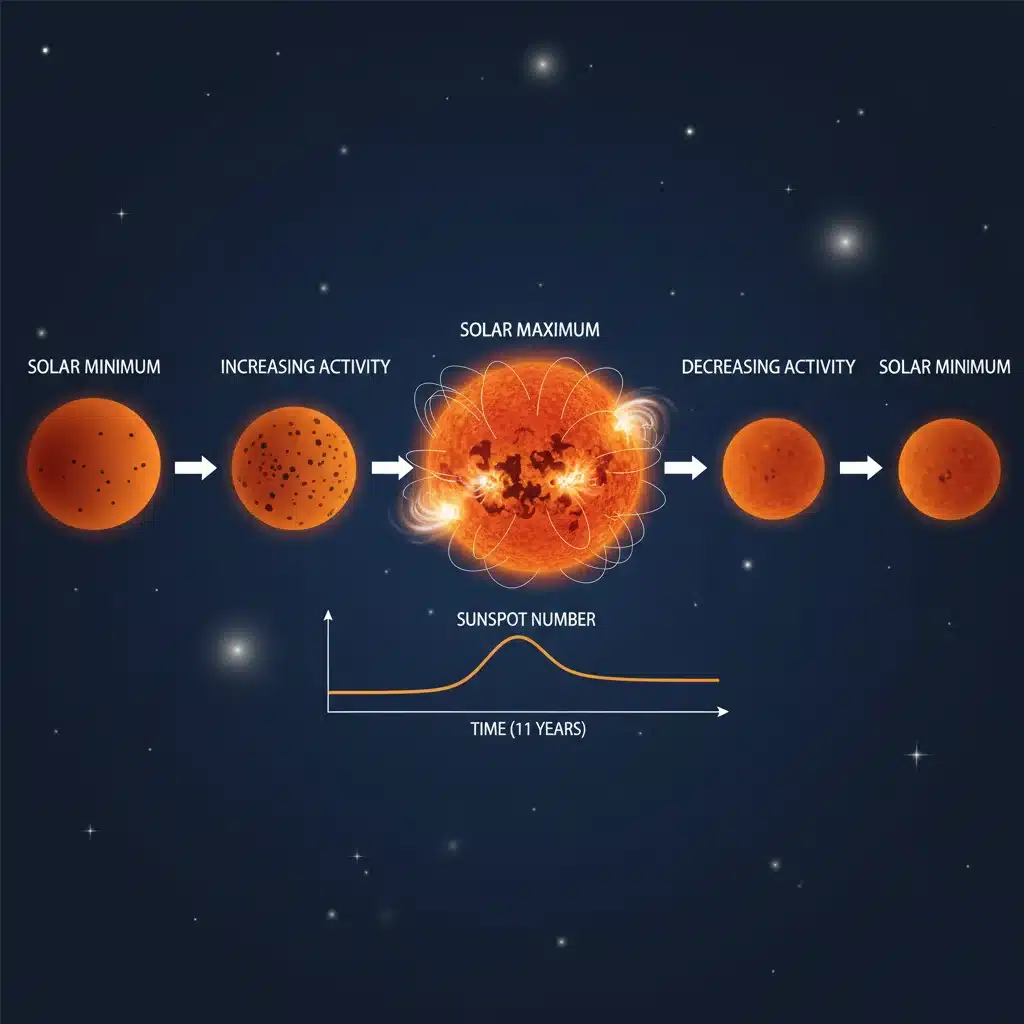
The sun’s activity isn’t constant; it follows an approximately 11-year cycle, known as the solar cycle. This cycle is characterized by fluctuations in the number of sunspots, solar flares, and CMEs. A solar cycle begins with a solar minimum, a period of low activity, and progresses to a solar maximum, when activity is at its peak. We are currently in Solar Cycle 25, which began in December 2019.
Initial predictions for Solar Cycle 25 suggested it would be a relatively weak cycle, similar to its predecessor, Solar Cycle 24. However, recent observations have shown that Solar Cycle 25 is proving to be much more active than anticipated, exceeding previous forecasts. This increased activity is excellent news for aurora chasers! The solar maximum for Solar Cycle 25 is now predicted to occur sometime between late 2024 and mid-2026, making Aurora Borealis 2026 a prime candidate for spectacular displays.
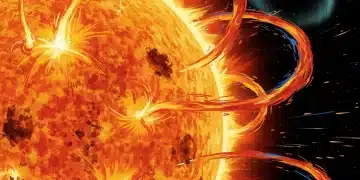
During the solar maximum, the sun experiences a higher frequency of sunspots, which are often the source of solar flares and CMEs. These powerful events send vast quantities of charged particles hurtling towards Earth. When these particles reach our planet, they interact with our magnetosphere, creating the conditions necessary for intense and widespread auroral displays. Therefore, the heightened activity of Solar Cycle 25 directly translates to a greater probability of witnessing the Aurora Borealis in 2026.
Why 2026 is Poised for Peak Aurora Borealis Viewing
The revised predictions for Solar Cycle 25’s peak activity are the primary reason why Aurora Borealis 2026 is generating so much excitement. While auroras can occur at any time during the solar cycle, the solar maximum significantly increases their frequency, intensity, and geographical reach. Here’s a breakdown of why 2026 is shaping up to be a banner year:
- Solar Maximum Coincidence: The anticipated peak of Solar Cycle 25 is expected to fall squarely within 2026, offering optimal conditions throughout the year. This means more frequent geomagnetic storms and, consequently, more frequent and brighter auroral displays.
- Increased Geomagnetic Activity: With more sunspots, flares, and CMEs, the chances of Earth experiencing strong geomagnetic storms are much higher. These storms are crucial for generating the most impressive aurorae, sometimes even visible at lower latitudes than usual.
- Duration of Activity: The peak of a solar cycle isn’t a single point in time but rather a period of sustained high activity. This means that even if the absolute peak falls in late 2025 or early 2027, 2026 will still benefit from elevated solar activity, providing numerous opportunities for aurora viewing.
- Scientific Consensus: Leading space weather organizations and solar physicists are increasingly confident in the strength and timing of Solar Cycle 25’s peak, reinforcing the positive outlook for Aurora Borealis 2026.
Optimal Viewing Locations for Aurora Borealis 2026
To witness the Aurora Borealis 2026, location is paramount. You need to be in the auroral oval, a region around Earth’s magnetic poles where auroral activity is most concentrated. The further north you go (in the Northern Hemisphere), the better your chances. Here are some of the top destinations renowned for aurora viewing:
Scandinavia
- Norway: Tromsø, known as the ‘Gateway to the Arctic,’ offers excellent viewing opportunities, especially during the long polar nights. The Lofoten Islands also provide stunning backdrops.
- Sweden: Abisko National Park, with its unique ‘Blue Hole’ effect (a patch of clear sky), is considered one of the best places on Earth to see the Northern Lights.
- Finland: Lapland, particularly areas like Rovaniemi and Ivalo, offers a magical winter wonderland setting coupled with high chances of aurora sightings.
- Iceland: The entire country is situated within the auroral oval, making it an accessible and popular choice. Remote areas away from city lights are ideal.
North America
- Alaska, USA: Fairbanks is a prime location due to its position under the auroral oval and relatively clear skies.
- Canada: Yukon (Whitehorse), Northwest Territories (Yellowknife), and Northern Manitoba (Churchill) are world-class aurora destinations, offering dark skies and specialized tours.
Other Northern Regions
- Greenland: Offers incredibly dark skies and unique landscapes, though travel can be more challenging.
- Russia: Murmansk and the Kola Peninsula are also within the auroral zone, though less accessible for international tourists.
While these are traditionally the best spots, a strong solar maximum in 2026 could mean the aurora is visible from slightly lower latitudes than usual. Keep an eye on space weather forecasts even if you’re not planning a trip to the extreme north.
Best Time to See the Aurora Borealis in 2026
Beyond location, timing is everything. Here are the key factors to consider for optimal Aurora Borealis 2026 viewing:
- Season: The best time to see the aurora is during the long, dark nights of winter. This typically means from late September to late March. The darker the sky, the more visible the lights will be.
- Time of Night: The aurora is most active between 10 PM and 3 AM local time. However, it can appear at any point during the dark hours.
- Moon Phase: A new moon or crescent moon is ideal, as bright moonlight can wash out fainter auroras. Check the lunar calendar for 2026 to plan your trip accordingly.
- Weather Conditions: Clear, cloudless skies are essential. Even if there’s high solar activity, you won’t see anything if the sky is overcast.
- Geomagnetic Activity Forecasts: Pay close attention to space weather forecasts. Websites and apps dedicated to aurora predictions (e.g., NOAA’s Space Weather Prediction Center, Aurora Forecast) will provide Kp-index predictions, which indicate the strength of a geomagnetic storm. A higher Kp-index means a greater chance of seeing the aurora.
Given the anticipated peak of Solar Cycle 25, planning a trip during the winter months of 2026, specifically between October and March, will significantly increase your chances of witnessing the magnificent Aurora Borealis 2026.
Tips for a Successful Aurora Chasing Trip in 2026
Seeing the Northern Lights requires a bit of planning and patience. Here are some essential tips for your Aurora Borealis 2026 adventure:
- Stay Multiple Nights: The aurora is unpredictable. Give yourself at least 3-5 nights in a prime viewing location to maximize your chances of a clear sky and active aurora.
- Get Away from Light Pollution: City lights severely diminish aurora visibility. Seek out dark sky locations, preferably designated dark sky parks or remote areas.
- Dress Warmly: Aurora viewing often involves standing outside in sub-zero temperatures for extended periods. Layered clothing, thermal wear, waterproof outer layers, warm boots, gloves, and hats are crucial.
- Bring a Camera: Even if you’re not a professional photographer, a camera with manual settings (DSLR or mirrorless) and a tripod can capture incredible aurora photos that your eyes might miss in real-time. Long exposures are key.
- Check Forecasts Regularly: Space weather and local weather forecasts can change rapidly. Monitor them daily, or even hourly, to know when and where to go.
- Be Patient: The aurora can appear suddenly and disappear just as quickly. Be prepared to wait, and enjoy the starry sky even if the lights don’t show up immediately.
- Consider a Tour: Local aurora tour operators often have specialized knowledge of the best viewing spots and can provide transportation and guidance, increasing your chances of success.
The Science Behind the Spectacle: Earth’s Magnetic Field and Solar Wind
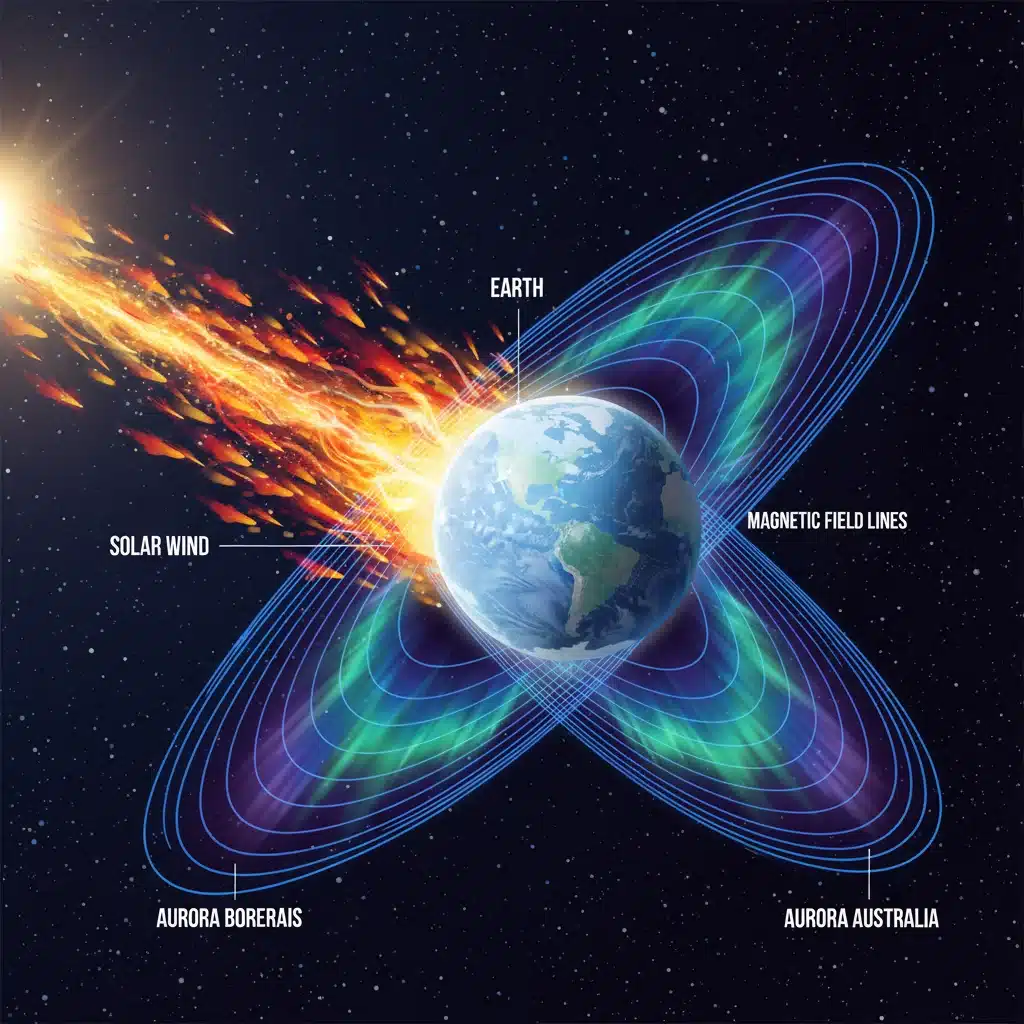
To truly appreciate the Aurora Borealis 2026, it’s helpful to understand the intricate cosmic dance that creates it. Our Earth is enveloped by a protective magnetic field, generated by the molten iron swirling in its core. This magnetosphere acts as a shield, deflecting most of the harmful charged particles from the solar wind.
However, at the Earth’s magnetic poles, the field lines converge. When the solar wind, especially during periods of high solar activity like Solar Cycle 25’s peak, hits the magnetosphere, some of these charged particles are funneled along these magnetic field lines towards the polar regions. As these high-energy particles descend into the upper atmosphere, they collide with atoms and molecules of gases like oxygen and nitrogen. These collisions excite the atoms, causing their electrons to jump to higher energy levels. When the electrons fall back to their original energy levels, they release photons of light – creating the vibrant, dancing colors of the aurora.
The strength of the solar wind and the intensity of solar events (flares, CMEs) directly impact how many particles are funneled into our atmosphere and how energetic they are. This, in turn, dictates the brightness, duration, and even the colors of the auroral display. A powerful CME during the Aurora Borealis 2026 window could lead to a truly rare and unforgettable ‘super aurora’ event.
Beyond 2026: What to Expect in the Following Years
While Aurora Borealis 2026 is highly anticipated, it’s important to remember that the solar cycle is a dynamic process. After reaching its peak, Solar Cycle 25 will gradually decline towards another solar minimum, likely in the early to mid-2030s. This means that while 2026 offers peak opportunities, strong auroral displays will still be possible in 2025 and 2027, albeit with a decreasing frequency as the sun’s activity wanes.
For those unable to make a trip in 2026, keeping an eye on solar activity in the years immediately following the peak is still worthwhile. Geomagnetic storms can occur even during the declining phase of the solar cycle, sometimes triggered by specific types of solar events. However, the sheer statistical probability of witnessing a truly spectacular aurora will likely be highest around the solar maximum, making 2026 a prime target.
Staying Informed: Essential Resources for Aurora Chasers
To make the most of your Aurora Borealis 2026 quest, staying informed is key. Here are some invaluable resources:
- NOAA’s Space Weather Prediction Center (SWPC): The official source for space weather forecasts, including Kp-index predictions and geomagnetic storm alerts.
- Aurora Forecast Apps: Many mobile applications use data from SWPC and other sources to provide real-time aurora visibility predictions for specific locations.
- Local Tourism Boards: Many regions known for aurora viewing have dedicated websites or social media channels that provide local forecasts and tips.
- Space Weather News Sites: Websites like Spaceweather.com offer daily updates on solar activity and aurora predictions.
- Webcams: Some popular aurora viewing locations have live webcams, allowing you to check current conditions and activity.
By regularly consulting these resources, you can fine-tune your travel plans and increase your chances of being in the right place at the right time for the Aurora Borealis 2026.
Conclusion: Get Ready for the Aurora Borealis 2026!
The stage is set for a phenomenal year of celestial wonders. With Solar Cycle 25 proving to be more robust than initially predicted, Aurora Borealis 2026 is on track to deliver some of the most breathtaking Northern Lights displays in recent memory. Whether you’re planning an epic journey to the Arctic Circle or hoping for a rare sighting from a more accessible location, understanding the science behind the aurora and staying informed about solar activity will be your best allies.
Don’t miss this incredible opportunity to witness one of Earth’s most magical phenomena. Start planning your Aurora Borealis 2026 adventure now, and prepare to be awestruck by the vibrant, dancing lights that paint the polar skies. The cosmic canvas awaits!