2026 Annular Solar Eclipse: Viewing Zones, Safety & Preparation

The cosmos continually offers breathtaking spectacles, and few are as captivating as a solar eclipse. While total solar eclipses often steal the spotlight, the annular solar eclipse presents its own unique and mesmerizing display: the ‘ring of fire.’ In 2026, the celestial stage is set for one such event, promising an unforgettable experience for those in its path. This comprehensive guide will delve deep into the 2026 Annular Eclipse Guide, offering insights into its nature, the best viewing zones, crucial safety protocols, and how to prepare for this extraordinary astronomical phenomenon.
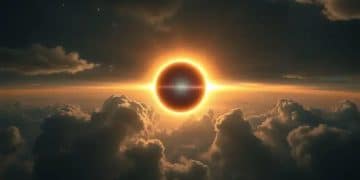
Understanding the intricacies of an annular eclipse is key to appreciating its rarity and beauty. Unlike a total solar eclipse where the Moon completely obscures the Sun, during an annular eclipse, the Moon is farther from Earth in its elliptical orbit, appearing smaller than the Sun. This results in the Moon covering only the Sun’s center, leaving a brilliant ring of sunlight visible around its edges – a stunning ‘annulus’ or ‘ring of fire.’ This guide aims to be your definitive resource for everything related to the 2026 event, ensuring you’re well-informed and ready to witness history.
What is an Annular Solar Eclipse?
Before we dive into the specifics of the 2026 event, let’s clarify what an annular solar eclipse entails. A solar eclipse occurs when the Moon passes directly between the Sun and Earth, casting a shadow on our planet. The type of eclipse we experience depends on the alignment of these three celestial bodies and the Moon’s distance from Earth.
The Dance of Celestial Bodies
The Moon’s orbit around Earth is not a perfect circle; it’s an ellipse. This means there are times when the Moon is closer to Earth (perigee) and times when it’s farther away (apogee). When a solar eclipse happens at or near apogee, the Moon appears smaller in the sky than the Sun. Consequently, it cannot fully cover the Sun’s disk, leading to the spectacular ‘ring of fire’ effect characteristic of an annular eclipse. This celestial alignment is precise and fleeting, making each annular eclipse a truly special occasion.
Annularity vs. Totality
It’s crucial to distinguish between an annular and a total solar eclipse, especially regarding safety. During a total solar eclipse, the brief period of totality (when the Sun is completely covered) allows for direct viewing without protection. However, during an annular eclipse, the Sun is never fully obscured. Even at the peak of annularity, a significant portion of the Sun’s brilliant surface remains exposed. This means that at no point during an annular eclipse is it safe to view the Sun directly without proper eye protection. This is a critical aspect of our 2026 Annular Eclipse Guide that cannot be overstated.
The 2026 Annular Solar Eclipse: When and Where?
The 2026 Annular Solar Eclipse is scheduled to occur on February 17, 2026. This event will offer a spectacular show for observers situated within its narrow path of annularity. Planning is essential, and knowing the exact timings and geographical locations is the first step toward a successful viewing experience.
Path of Annularity: A Detailed Look
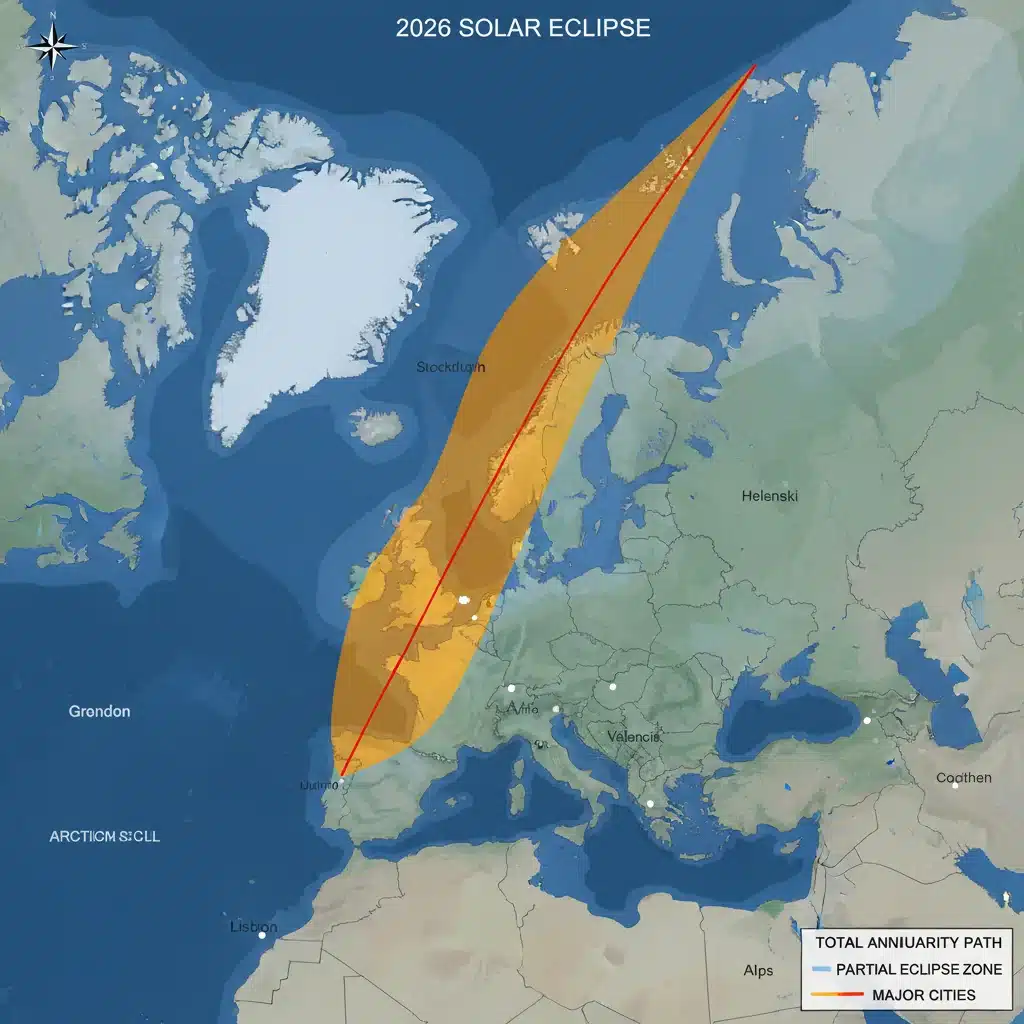
The path of annularity for the 2026 eclipse will traverse a fascinating route, primarily over parts of the Southern Ocean and Antarctica. While this makes it challenging for most land-based observers, there are specific regions and expeditions that will be perfectly positioned to witness the ‘ring of fire.’ The path will begin in the southern Atlantic Ocean, move across the continent of Antarctica, and end in the southern Pacific Ocean. For those not directly in the path of annularity, a partial solar eclipse will be visible over a much wider area, including parts of South America, Africa, and Australia.
Specifically, the greatest annularity will occur over the remote regions of Antarctica. This means that specialized expeditions and research stations will have the best views. For the average enthusiast, careful planning will be required, potentially involving chartered flights or cruises to reach the optimal viewing locations. This makes the 2026 Annular Eclipse Guide even more vital for those seeking to experience this rare event.
Key Timings and Duration
While precise timings will vary depending on your exact location within the path, the maximum duration of annularity for the 2026 eclipse is expected to be around 2 minutes and 20 seconds. Observers in areas experiencing a partial eclipse will see the Moon take a ‘bite’ out of the Sun for a longer period, but without the dramatic ‘ring of fire’ effect.
It is crucial to consult reliable astronomical sources and local eclipse maps closer to the date for exact timings for your chosen viewing spot. Websites like NASA’s eclipse predictions or reputable astronomical organizations will provide detailed local circumstances, including start times, maximum eclipse times, and end times. This information is indispensable for anyone planning to observe the 2026 annular eclipse.
Essential Safety Precautions for Viewing
Viewing a solar eclipse, especially an annular one, requires strict adherence to safety protocols. Looking directly at the Sun, even when partially obscured, can cause permanent eye damage, including blindness. This section of our 2026 Annular Eclipse Guide is paramount, as eye safety must be the absolute top priority.
The Dangers of Unprotected Viewing
The Sun’s intense ultraviolet (UV) and infrared (IR) radiation can severely damage the retina without proper protection. This damage, known as solar retinopathy, often occurs without pain, and symptoms may not appear for hours or even days after exposure. There is no cure for solar retinopathy, making prevention the only option.
Certified Solar Eclipse Glasses are a Must
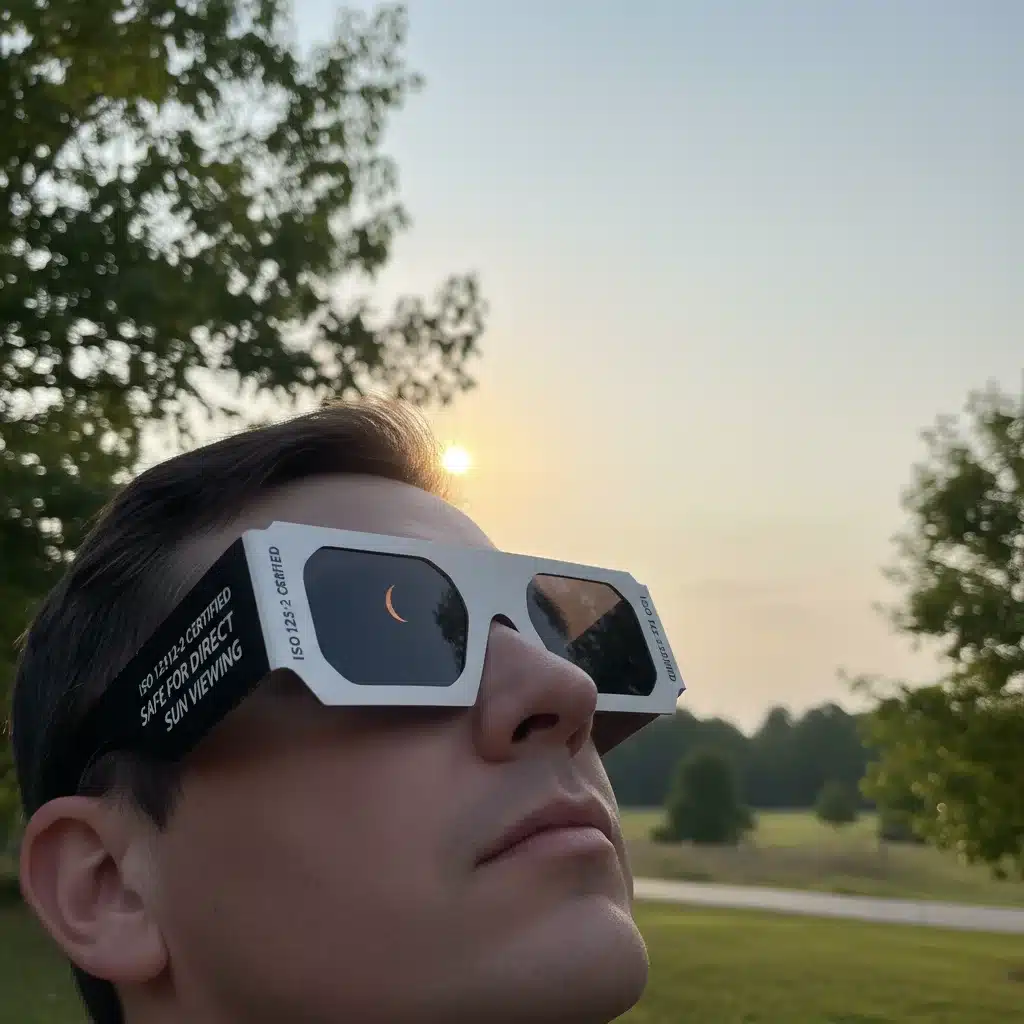
The only safe way to look directly at the uneclipsed or partially eclipsed Sun is through special-purpose solar filters, such as ‘eclipse glasses’ or handheld solar viewers. These must meet the ISO 12312-2 international safety standard. Ensure your eclipse glasses are sourced from reputable manufacturers and are not damaged, scratched, or older than three years. Regular sunglasses, no matter how dark, are NOT safe for viewing the Sun.
Safe Solar Filters for Telescopes and Binoculars
If you plan to use binoculars, telescopes, or cameras, they must be fitted with proper solar filters on their objective (front) lenses. Never look through an unfiltered optical device at the Sun, even if you are wearing eclipse glasses. The concentrated sunlight through such devices will instantly burn through your eclipse glasses and cause severe eye damage. These specialized filters must also meet the ISO 12312-2 standard and be specifically designed for solar observation.
Pinhole Projectors: A Safe Indirect Method
For a safe, indirect viewing experience, a pinhole projector is an excellent option. This simple device allows you to project an image of the Sun onto a surface without looking directly at it. You can make one easily with two pieces of cardboard: poke a small hole in one piece and let the sunlight pass through it onto the second piece, which acts as a screen. This method is safe, educational, and fun for all ages, especially for children, and is a key recommendation in our 2026 Annular Eclipse Guide for those without specialized equipment.
General Safety Tips
- Always supervise children using eclipse glasses or viewing devices.
- Before putting on your eclipse glasses, turn away from the Sun. Put them on, then turn to view the Sun. Reverse the process when removing them.
- If you experience any discomfort or vision issues after viewing, consult an eye care professional immediately.
- Do not use damaged or scratched eclipse glasses or filters.
Preparing for the 2026 Annular Eclipse
An event of this magnitude requires careful preparation. From choosing your viewing spot to packing the right gear, thoughtful planning will enhance your experience of the 2026 Annular Solar Eclipse.
Choosing Your Viewing Location
As mentioned, the path of annularity for the 2026 eclipse largely covers oceanic and Antarctic regions. For those determined to be in the path, researching specialized eclipse tours, cruises, or flights will be essential. These expeditions often book up far in advance, so early planning is critical. If traveling to the path of annularity is not feasible, remember that a partial eclipse will be visible from many other locations, offering a valuable viewing opportunity, albeit without the ‘ring of fire.’
Weather Considerations
Weather is always a wild card with astronomical events. While February might offer clearer skies in some Southern Hemisphere locations, it’s winter in Antarctica, which presents its own challenges. Keep an eye on long-range weather forecasts as the date approaches. Flexibility in your travel plans, if possible, can increase your chances of clear skies. Cloud cover can obscure the view, so having a backup plan or an alternative viewing strategy is always wise.
Essential Gear Checklist
To fully enjoy and safely observe the 2026 Annular Solar Eclipse, consider the following checklist:
- Certified Solar Eclipse Glasses (ISO 12312-2): Multiple pairs are recommended.
- Solar Filters for Optics: If using telescopes, binoculars, or cameras, ensure you have proper, certified solar filters for the front of the lenses.
- Pinhole Projector Materials: Cardboard, paper, and a thumbtack for an easy DIY option.
- Comfortable Seating: A portable chair or blanket, especially if you plan to observe for an extended period.
- Sun Protection: Hat, sunscreen, and appropriate clothing, even if it’s winter, as UV radiation is still present.
- Water and Snacks: Stay hydrated and energized, particularly if you’re in a remote viewing location.
- Camera Equipment: If you plan to photograph the eclipse, ensure your camera has a solar filter and you’ve practiced using it beforehand. Remember, never point an unfiltered camera at the Sun.
- Binoculars: ONLY with proper solar filters attached.
- First-aid kit: Always a good idea for any outdoor excursion.
Photographing the 2026 Annular Eclipse
Capturing the ‘ring of fire’ can be a rewarding experience, but it requires careful planning and the right equipment. Photography of the Sun, even during an eclipse, demands strict safety measures for both your eyes and your equipment.
Camera and Lens Requirements
For best results, a DSLR or mirrorless camera with a telephoto lens (200mm or more) is recommended. A sturdy tripod is essential to prevent camera shake during long exposures and to ensure sharp images. Remote shutter releases are also beneficial to minimize vibrations.
Crucial Solar Filters for Cameras
Just like your eyes, your camera’s sensor can be damaged by direct sunlight. You MUST use a certified solar filter on the front of your camera lens. These are different from eclipse glasses and are designed to screw onto or fit over your lens. Practice attaching and removing the filter before the eclipse date. Never remove the filter while aiming the camera at the Sun.
Exposure Settings and Practice
Experiment with your camera’s manual settings well before the eclipse. Shoot the uneclipsed Sun (with your solar filter on!) to determine optimal exposure. Bracketing exposures (taking several shots at different exposure levels) is a good strategy to capture the dynamic range of the eclipse. Remember, the ‘ring of fire’ will be incredibly bright, so settings will likely be similar to daytime photography, but with the filter in place.
Patience and Observation First
While photography is tempting, remember to take time to simply observe and enjoy the phenomenon with your own safely protected eyes. The experience of an eclipse is truly unique, and sometimes the best ‘picture’ is the one etched in your memory. Don’t let the pursuit of the perfect shot overshadow the awe-inspiring reality of the event itself. This is a key piece of advice in any comprehensive 2026 Annular Eclipse Guide.
The Scientific Significance of Annular Eclipses
Beyond their visual appeal, solar eclipses, including annular ones, hold significant scientific value. They provide unique opportunities for researchers to study the Sun and its effects on Earth’s atmosphere.
Studying the Sun’s Atmosphere
During a total solar eclipse, scientists can study the Sun’s corona, its outermost atmosphere, which is usually obscured by the Sun’s bright face. While an annular eclipse doesn’t reveal the corona in the same way, the partial obscuration still allows for studies of the Sun’s limb and the effects of reduced sunlight on Earth’s ionosphere and weather patterns. These studies contribute to our understanding of space weather and its impact on communication systems and power grids.
Gravitational Lensing and Celestial Mechanics
Eclipses also offer opportunities to confirm aspects of general relativity, such as gravitational lensing, although this is more pronounced during total eclipses. However, precise measurements during annular eclipses still contribute to our understanding of celestial mechanics and the accurate prediction of future astronomical events. The data collected from each eclipse helps refine our models of the solar system.
Public Engagement and STEM Education
Perhaps one of the most significant impacts of any eclipse is its ability to inspire public interest in science and astronomy. Events like the 2026 Annular Solar Eclipse serve as powerful educational tools, encouraging people of all ages to learn more about the universe around them. Schools and science centers often organize viewing events, fostering a deeper appreciation for STEM fields. This aspect of public engagement is a vital component of the broader impact of any 2026 Annular Eclipse Guide.
Beyond 2026: Future Eclipses to Watch For
While the 2026 Annular Solar Eclipse is a major highlight, the cosmos continues its dance, promising more spectacular events in the years to come. For the avid eclipse chaser, knowing what’s on the horizon is part of the excitement.
Upcoming Annular and Total Eclipses
Following 2026, there will be other annular and total solar eclipses in various parts of the world. For instance, a total solar eclipse will sweep across parts of North America in 2044, and other annular eclipses are scheduled for different regions in the intervening years. Keeping an eye on astronomical calendars and eclipse prediction sites will allow you to plan for future expeditions.
The Rarity of Eclipse Chasing
The path of a solar eclipse is relatively narrow, making it a somewhat rare event for any given geographical location. This rarity is what makes eclipse chasing such a dedicated pursuit for many astronomers and enthusiasts. Each eclipse offers a distinct experience, influenced by geography, weather, and the specific dynamics of the Moon’s orbit. The 2026 Annular Eclipse Guide is just one chapter in a lifelong journey for many who are fascinated by these celestial alignments.
Conclusion: Embrace the ‘Ring of Fire’
The 2026 Annular Solar Eclipse promises to be a truly spectacular event, a celestial ballet that reminds us of the grandeur and precision of our universe. Whether you plan to travel to the remote path of annularity or observe a partial eclipse from your backyard, preparation and safety are paramount. By following the advice in this comprehensive 2026 Annular Eclipse Guide, you can ensure a safe, enjoyable, and unforgettable viewing experience.
Remember to prioritize certified eye protection above all else. Research your viewing location, monitor weather forecasts, and gather your essential gear well in advance. Embrace the opportunity to witness the ‘ring of fire’ and join countless others in marveling at the wonders of the cosmos. May your skies be clear and your eclipse viewing safe and awe-inspiring!