Perseid Meteor Shower 2026: Top US Viewing Spots
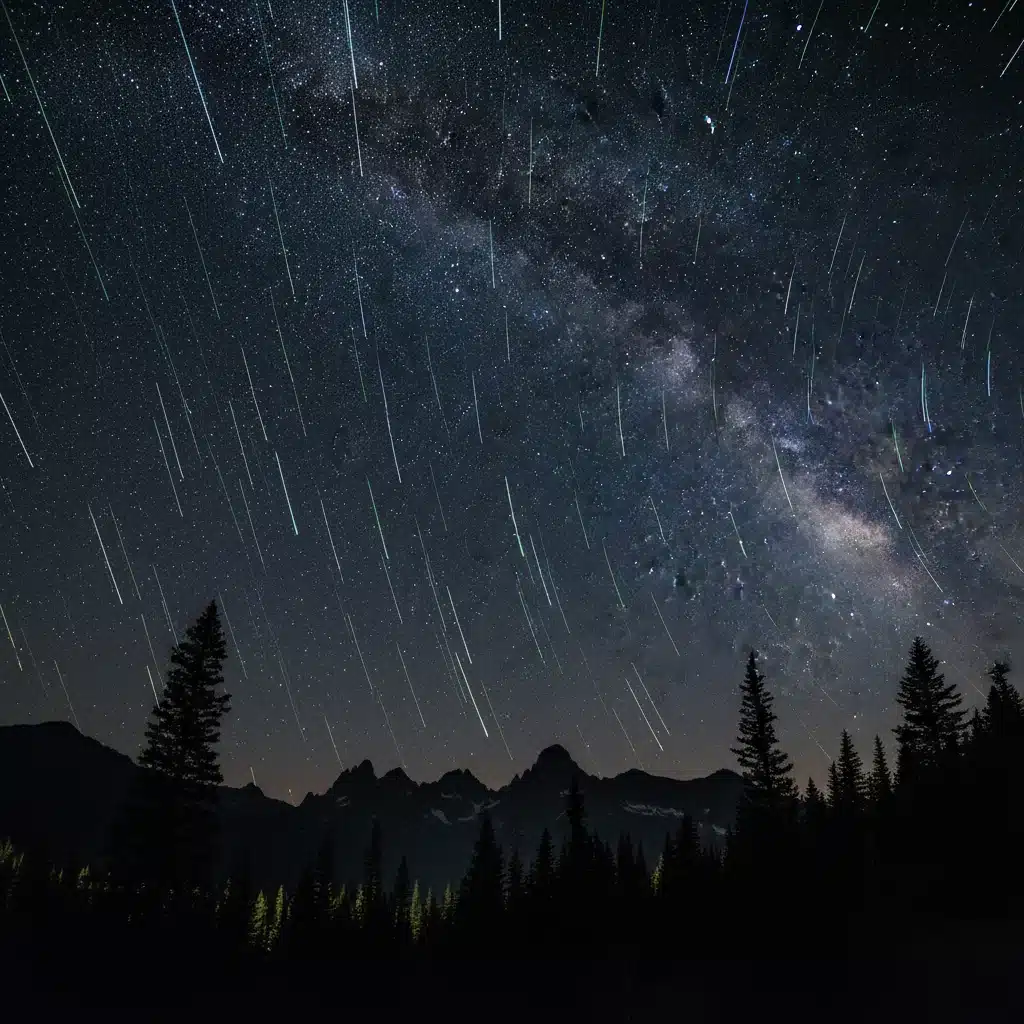
The night sky holds an endless fascination, a canvas upon which cosmic dramas unfold with breathtaking regularity. Among the most anticipated of these celestial performances is the annual Perseid Meteor Shower. In 2026, conditions are aligning for what promises to be a truly spectacular display, offering an unparalleled opportunity for stargazers across the United States to witness nature’s own fireworks.
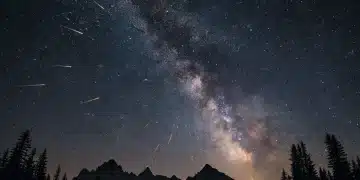
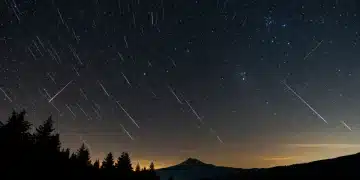
The Perseid Meteor Shower, renowned for its bright, fast meteors and impressive fireballs, is a highlight for both seasoned astronomers and casual sky-watchers alike. Originating from the debris trail of Comet Swift-Tuttle, these cosmic dust particles ignite as they enter Earth’s atmosphere, creating brilliant streaks of light that seem to rain down from the constellation Perseus. The 2026 iteration is particularly exciting due to favorable moon conditions, promising darker skies and thus, a higher chance of witnessing an extraordinary number of meteors.
To truly appreciate the grandeur of the Perseid Meteor Shower 2026, location is paramount. Escaping the pervasive glow of urban light pollution is crucial. This comprehensive guide will not only delve into the science behind this celestial phenomenon but, more importantly, will unveil the top 5 prime viewing locations across the United States, meticulously chosen for their dark skies, accessibility, and overall stargazing potential. We will also provide essential tips to maximize your viewing experience, ensuring you’re fully prepared for an unforgettable night under the stars.
Understanding the Perseid Meteor Shower: A Celestial Phenomenon
Before we embark on our journey to find the perfect viewing spot, let’s briefly understand what makes the Perseids so special. Each year, between mid-July and late August, Earth passes through the debris left behind by Comet Swift-Tuttle. This comet, a magnificent icy body, orbits the Sun every 133 years, leaving a trail of dust and small rock particles in its wake. When these particles, ranging from the size of a grain of sand to a pea, collide with our atmosphere at speeds of up to 130,000 miles per hour, they superheat the air around them, creating the luminous streaks we call meteors. The Perseids are named after the constellation Perseus, from which they appear to radiate.
Peak Activity and Moon Conditions for 2026
The Perseid Meteor Shower 2026 is expected to peak around August 12-13. The most critical factor for meteor shower visibility, besides clear skies, is the phase of the Moon. A bright Moon can significantly wash out fainter meteors, diminishing the overall spectacle. Fortunately, for 2026, the Moon will be a waning crescent, meaning it will rise late in the night and be relatively dim, providing ideal dark sky conditions during the prime viewing hours before dawn. This makes 2026 a particularly promising year for an exceptional Perseid display.
The Quest for Dark Skies: Why Location Matters for the Perseid Meteor Shower 2026
The human eye, while a marvel of evolution, is limited by light. To fully appreciate the delicate beauty of meteors, especially the fainter ones, it’s crucial to escape light pollution. Light pollution, the excessive and misdirected use of artificial outdoor light, scatters in the atmosphere, creating a sky glow that obscures celestial objects. This is why urban and suburban areas, despite their conveniences, are generally poor locations for serious stargazing. The ideal viewing spot for the Perseid Meteor Shower 2026 will be far from city lights, offering a truly dark, unobstructed view of the horizon.
International Dark Sky Parks and Sanctuaries
The International Dark-Sky Association (IDA) is a non-profit organization that works to protect night skies for present and future generations. They designate International Dark Sky Parks and Sanctuaries, which are publicly or privately owned spaces that possess exceptional quality of starry nights and a nocturnal environment, and that are specifically protected for their scientific, natural, educational, cultural heritage, and/or public enjoyment. These locations are often your best bet for an unparalleled stargazing experience, including viewing the Perseids.
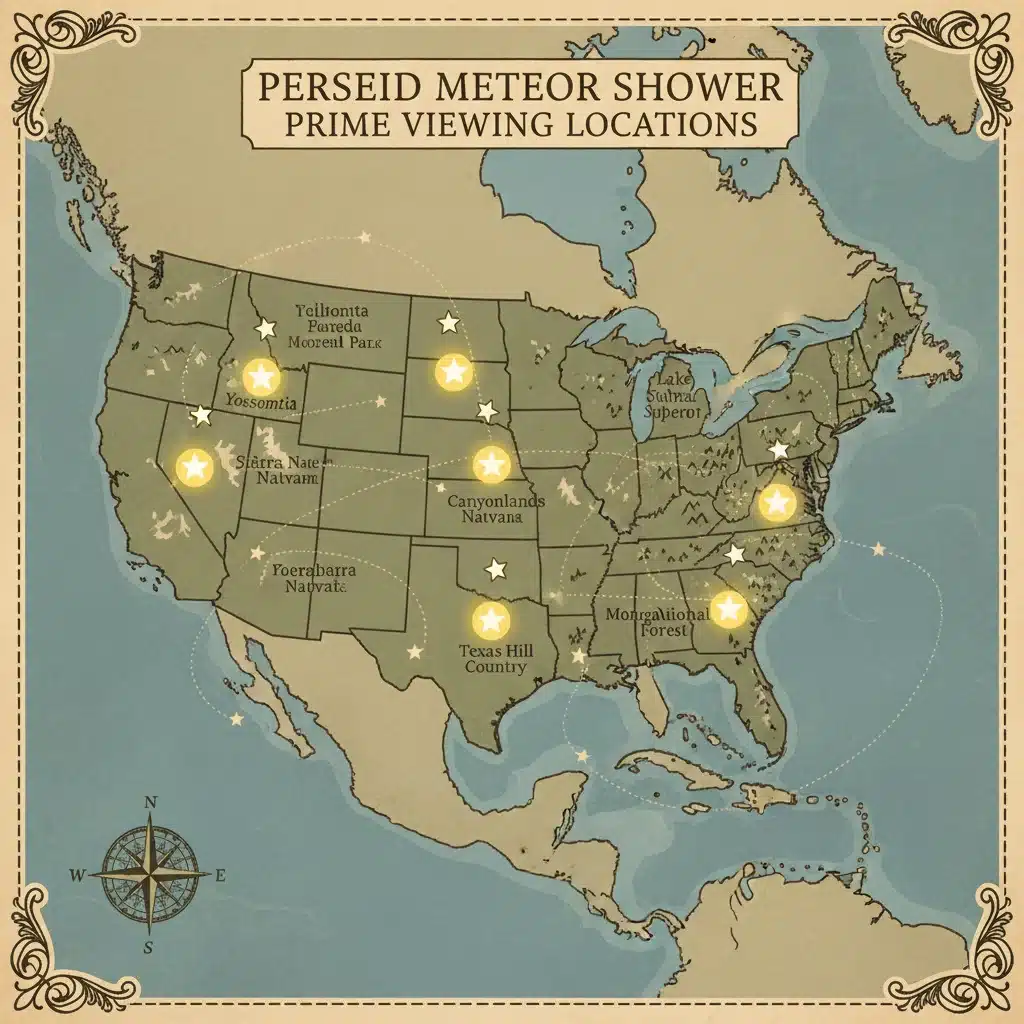
5 Prime Viewing Locations Across the United States for the Perseid Meteor Shower 2026
Here are our top picks for experiencing the Perseid Meteor Shower 2026, chosen for their minimal light pollution, stunning natural beauty, and often, facilities catering to stargazers.
1. Death Valley National Park, California/Nevada
Why it’s a Prime Spot:
Death Valley is not only the largest national park in the contiguous U.S. but also one of the darkest. It holds the prestigious designation of a Gold Tier International Dark Sky Park, the highest rating awarded by the IDA. Its remote location, vast open landscapes, and extremely dry air contribute to exceptionally clear, dark skies, making it an ideal canvas for the Perseids. The expansive salt flats and desert vistas provide an unobstructed 360-degree view of the horizon, crucial for catching meteors from all directions.
Tips for Viewing:
- Camping: Numerous campgrounds are available, but reservations are highly recommended, especially during peak season.
- Locations: Popular spots include Badwater Basin, Mesquite Flat Sand Dunes, and Harmony Borax Works. Any remote pull-off along the park roads will offer excellent views.
- Preparation: Summer temperatures can be extreme even at night. Bring plenty of water, appropriate clothing, and be aware of your surroundings.
2. Big Bend National Park, Texas
Why it’s a Prime Spot:
Nestled in the remote Trans-Pecos region of West Texas, Big Bend National Park boasts the least light pollution of any national park in the lower 48 states. It’s a certified International Dark Sky Park, offering truly pristine night skies. The park’s rugged mountains, vast desert, and the winding Rio Grande create a dramatic backdrop for the meteor shower. Its isolation means you’ll be far from any major urban centers, ensuring an unblemished view of the cosmos.
Tips for Viewing:
- Accessibility: Big Bend is remote, so plan your journey carefully. The nearest major cities are hours away.
- Stargazing Areas: The Chisos Basin, Panther Junction, and Cottonwood Campground areas are excellent. Anywhere away from the few developed areas will provide superb viewing.
- Wildlife: Be aware of desert wildlife. Store food properly and be cautious when walking at night.
3. Grand Canyon National Park, Arizona
Why it’s a Prime Spot:
While famous for its geological wonders during the day, the Grand Canyon transforms into a breathtaking observatory at night. It is an International Dark Sky Park, and efforts to reduce light pollution within and around the park have been highly successful. The sheer scale of the canyon provides an expansive, unobstructed view of the sky, with the canyon walls offering a majestic frame for the celestial display. The elevation also contributes to clearer atmospheric conditions.
Tips for Viewing:
- Rim Views: Mather Point, Yavapai Point, and Desert View Watchtower on the South Rim are popular and accessible. For a more secluded experience, explore less crowded viewpoints.
- North Rim: The North Rim, while less accessible, offers even darker skies due to fewer visitors and facilities.
- Crowds: Expect some crowds, especially at popular viewpoints. Arrive early to secure a good spot.
4. Acadia National Park, Maine
Why it’s a Prime Spot:
For those on the East Coast, Acadia National Park offers an exceptional Perseid Meteor Shower 2026 viewing experience. As one of the few International Dark Sky Parks in the eastern U.S., Acadia provides a vital refuge from urban light pollution. Its rugged coastline, granite mountains, and dense forests create a unique and beautiful setting. The park hosts an annual Night Sky Festival, indicating its commitment to preserving its dark skies.
Tips for Viewing:
- Coastal Spots: Cadillac Mountain, Sand Beach, and Seawall offer excellent sky views, often with the added beauty of the ocean.
- Weather: Coastal weather can be unpredictable. Be prepared for cooler temperatures and potential fog, even in August.
- Accessibility: Acadia is relatively accessible, but plan for traffic and parking if visiting during peak season.
5. Headlands International Dark Sky Park, Michigan
Why it’s a Prime Spot:
Located on the northern tip of Michigan’s Lower Peninsula, Headlands was one of the first 10 International Dark Sky Parks in the world. It provides 600 acres of pristine dark sky viewing along the shores of Lake Michigan. The vast expanse of the lake minimizes light pollution from the west, offering an incredibly dark and expansive horizon. The park is dedicated solely to dark sky preservation and education, making it a perfect destination for meteor shower enthusiasts.
Tips for Viewing:
- Dedicated Facilities: Headlands offers an observatory, interpretive programs, and designated viewing areas with benches.
- Lake Effect: While the lake enhances darkness, be prepared for cooler temperatures and potential breezes off the water.
- Accessibility: The park is easily accessible by car and has well-maintained facilities.
Essential Tips for an Unforgettable Perseid Meteor Shower 2026 Experience
Once you’ve chosen your prime viewing location, here are some crucial tips to enhance your Perseid Meteor Shower 2026 experience:
1. Check the Weather Forecast
Clear skies are non-negotiable. Before heading out, check the local weather forecast specifically for cloud cover. Even a small amount of cloud can obscure the fainter meteors and diminish the overall show. Websites like Clear Sky Charts can provide detailed astronomical forecasts for specific locations.
2. Arrive Early and Allow Your Eyes to Adapt
Plan to arrive at your viewing spot at least 30-60 minutes before you intend to start observing. This allows you to set up comfortably and, more importantly, gives your eyes ample time to adapt to the darkness. This process, called dark adaptation, can take up to 30 minutes, and even a brief exposure to bright light (like a phone screen) can reset it.
3. Bring the Right Gear
- Comfort: A reclining chair, blanket, or sleeping bag is essential. You’ll be spending a lot of time looking up, and comfort is key to enjoyment.
- Warmth: Even in August, nights can get cool, especially in desert or high-altitude locations. Bring layers of clothing, a hat, and gloves.
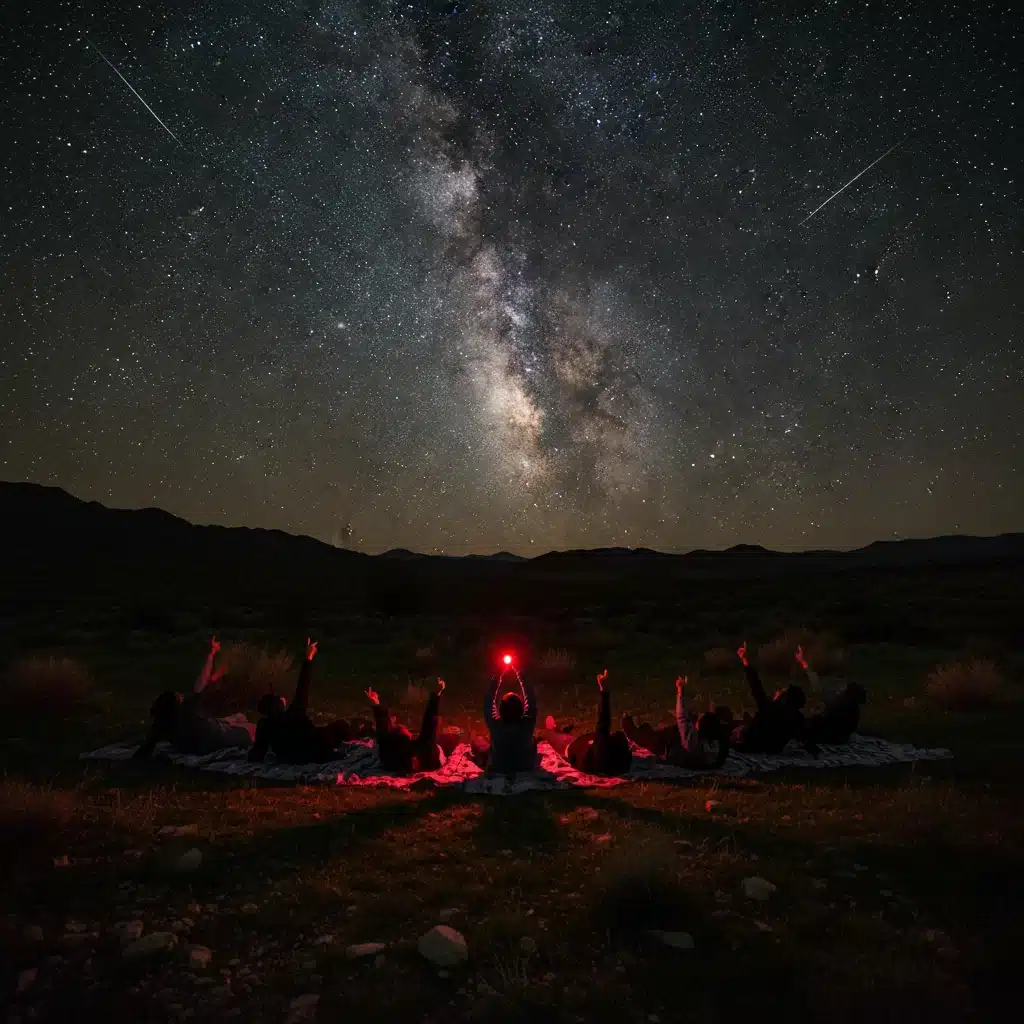
- Red-Light Flashlight: White light ruins night vision. Use a flashlight with a red filter or a dedicated red-light headlamp for navigation.
- Snacks and Drinks: Bring plenty of water and snacks to stay hydrated and energized during your viewing session.
- Bug Spray: Depending on the location, mosquitoes and other insects can be a nuisance.
4. Look Up, and Be Patient
The Perseids appear all over the sky, though they seem to originate from the constellation Perseus (which rises in the northeast). You don’t need a telescope or binoculars; your naked eye is the best tool for meteor showers as it provides the widest field of view. Lie back, relax, and let your eyes wander across the sky. Meteors come in bursts, so there might be lulls followed by a flurry of activity. Patience is rewarded.
5. Minimize Light Pollution (Even Your Own)
Once you’ve set up, avoid using your phone or any bright lights. If you absolutely must use your phone, set it to the lowest brightness setting and use a red filter app if possible. Encourage others in your group to do the same. Even car headlights can significantly disrupt the viewing experience for everyone.
6. Consider Astrophotography (Optional)
If you’re an aspiring astrophotographer, the Perseid Meteor Shower 2026 offers a fantastic opportunity. You’ll need a camera capable of long exposures (DSLR or mirrorless), a wide-angle lens, and a sturdy tripod. Experiment with different ISO settings and shutter speeds (typically 15-30 seconds) to capture the meteors. Remember to focus to infinity.
Beyond the Perseids: Preserving Our Night Skies
While the Perseid Meteor Shower 2026 provides a spectacular reason to seek out dark skies, the experience often leaves a lasting impression, fostering a deeper appreciation for the cosmos and the importance of preserving our natural nighttime environment. Light pollution doesn’t just hinder stargazing; it has significant ecological impacts on wildlife, disrupts human sleep patterns, and wastes energy.
Supporting organizations like the International Dark-Sky Association, advocating for responsible outdoor lighting in your community, and simply being mindful of your own light usage can contribute to the global effort to protect our night skies for future generations. Imagine a world where everyone can step outside and witness the Milky Way arching overhead, a sight that is increasingly rare for many.
Conclusion: A Celestial Invitation for 2026
The Perseid Meteor Shower 2026 is more than just an astronomical event; it’s an invitation to connect with the vastness of the universe, to marvel at the cosmic dance happening far above our heads. By choosing one of these prime viewing locations and following our practical tips, you can transform a simple night out into an extraordinary memory.
Whether you’re a seasoned stargazer or a curious newcomer, the experience of watching dozens, or even hundreds, of meteors streak across a pitch-black sky is profoundly moving. So, mark your calendars, gather your gear, and prepare to be awestruck by one of nature’s most magnificent displays. The stars are waiting.