2026 Meteor Shower Calendar: Your Guide to Celestial Events
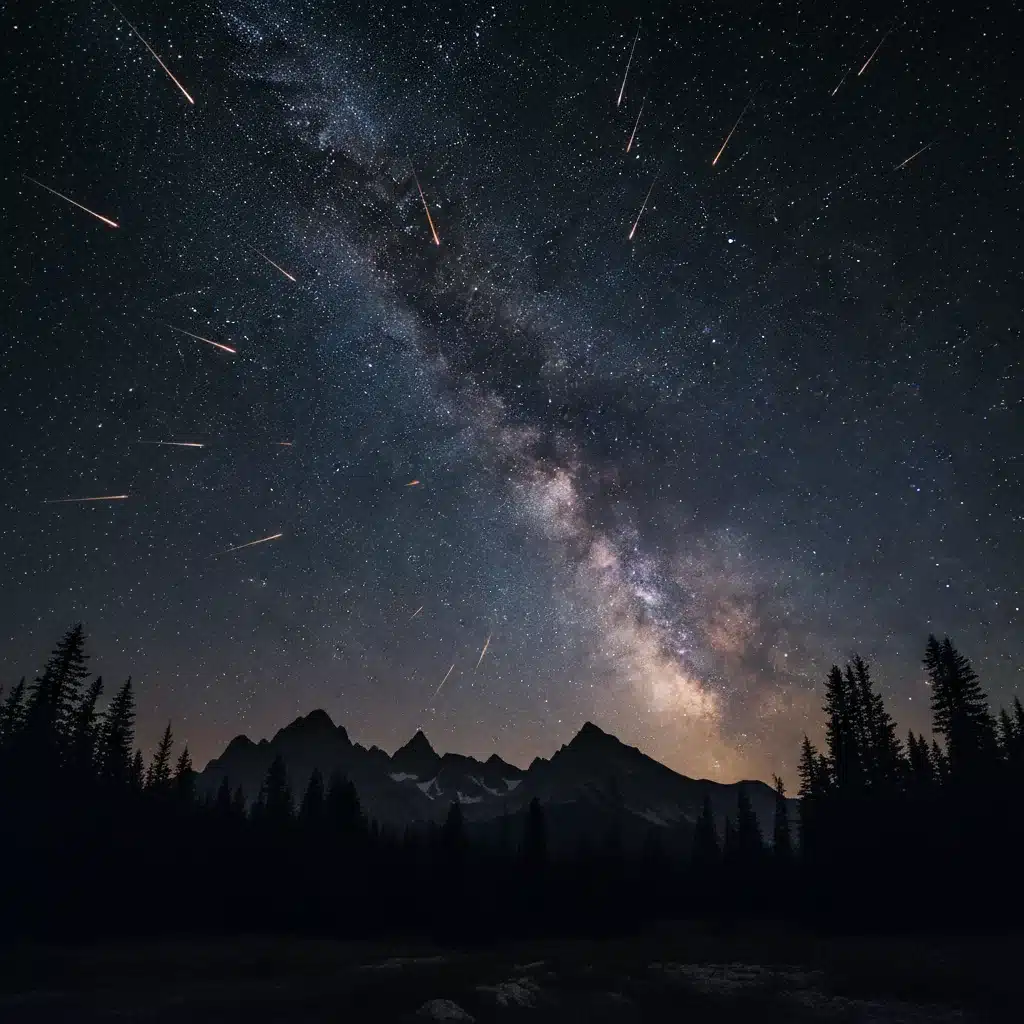
The cosmos offers a spectacular show, and for many, there’s nothing quite as breathtaking as witnessing a meteor shower. These celestial fireworks, often referred to as ‘shooting stars,’ are a result of Earth passing through trails of cosmic debris left by comets and asteroids. Each year, our planet’s journey around the Sun brings us into contact with these dusty pathways, providing multiple opportunities to witness nature’s most impressive light show. For enthusiasts and casual observers alike, knowing when and where to look is key to maximizing the experience. This comprehensive guide, the 2026 Meteor Shower Calendar, is designed to be your ultimate resource for planning your stargazing adventures throughout the coming year. We’ll break down each major meteor shower, providing essential details like peak dates, expected rates, and crucial viewing tips, ensuring you’re well-prepared to catch every dazzling moment.
Understanding the intricacies of meteor showers can significantly enhance your viewing pleasure. Factors such as the Moon’s phase, light pollution, and even the weather can impact visibility. Our aim is to equip you with all the knowledge you need to transform a good meteor shower into an unforgettable one. From the frosty nights of January to the crisp evenings of December, 2026 promises a rich tapestry of astronomical events. Whether you’re a seasoned astronomer with a telescope or a curious newcomer with just your eyes, this calendar will help you navigate the celestial sphere and identify the best times to look up.
Beyond simply listing dates, we’ll delve into what makes each shower unique. Some are known for their fast, bright meteors, while others offer a more leisurely display of fainter streaks. We’ll also cover the science behind these phenomena, explaining how these tiny particles of space dust create such brilliant flashes of light as they enter Earth’s atmosphere. So, grab your blankets, a thermos of hot cocoa, and perhaps a comfortable recliner, because the 2026 Meteor Shower Calendar is about to guide you through a year of cosmic wonders.
Understanding Meteor Showers: The Basics
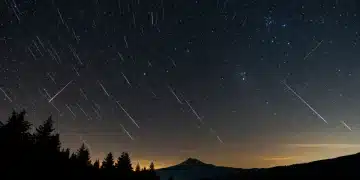
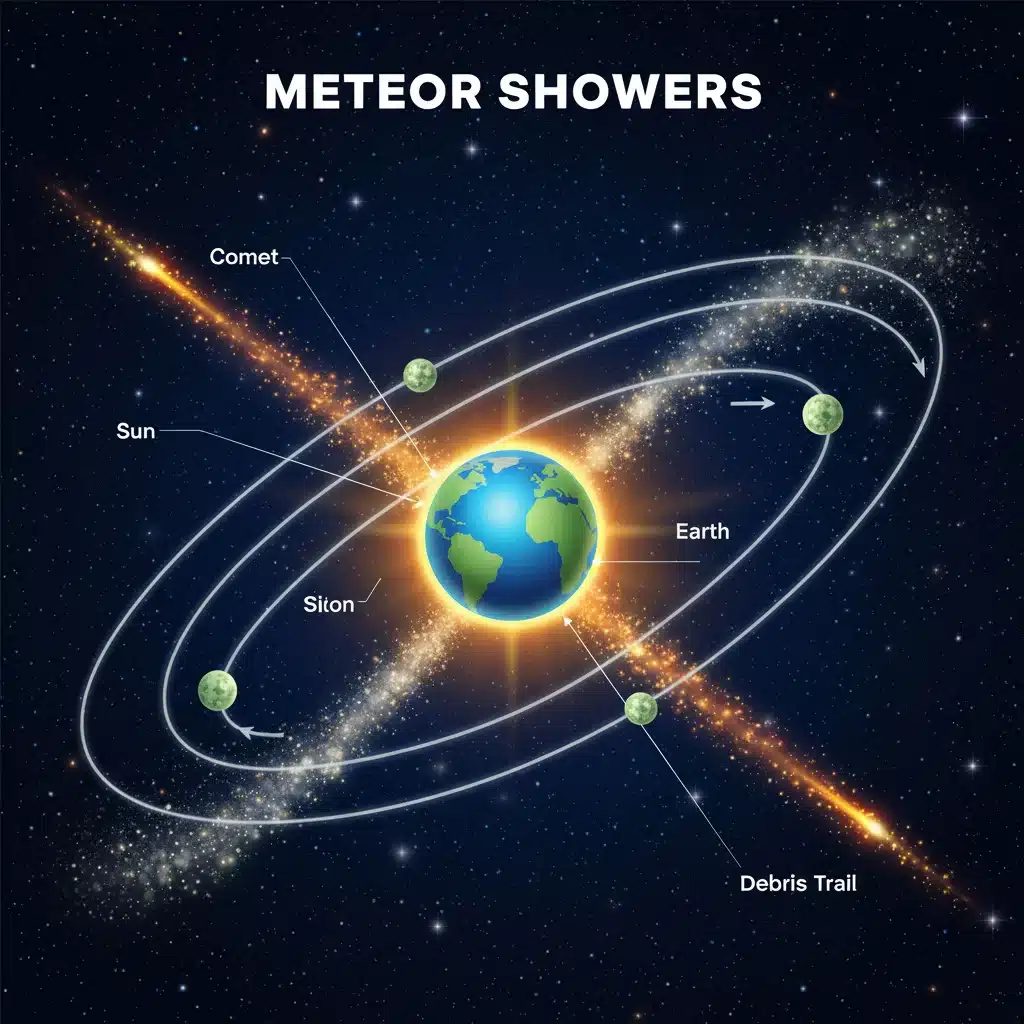
Before we dive into the specific dates for the 2026 Meteor Shower Calendar, let’s take a moment to understand what meteor showers are and why they occur. A meteor shower happens when Earth passes through a stream of debris left by a comet or, less commonly, an asteroid. As these tiny particles, ranging from dust grains to pebble-sized bits, enter Earth’s atmosphere at incredibly high speeds, they frictionally heat up and vaporize, creating a streak of light we call a meteor or ‘shooting star.’
Each meteor shower is associated with a specific parent body. For example, the Perseids are linked to Comet Swift-Tuttle, and the Leonids to Comet Tempel-Tuttle. As these comets orbit the Sun, they shed ice and dust, forming a trail of debris along their orbital path. When Earth’s orbit intersects this trail, we experience a meteor shower. The radiant point of a meteor shower is the point in the sky from which the meteors appear to originate. This point is named after the constellation in which it lies, which is why we have showers like the Geminids (from Gemini) or the Perseids (from Perseus).
The intensity of a meteor shower can vary greatly. Factors influencing this include the density of the debris stream, how directly Earth passes through it, and the size of the particles. Some showers are known for their consistent, high rates of meteors per hour (ZHR – Zenithal Hourly Rate), while others are more sporadic. The ZHR is the maximum number of meteors an observer would see per hour under perfect viewing conditions (dark sky, radiant directly overhead). In reality, actual observed rates are often lower due to light pollution, atmospheric haze, and the radiant’s position in the sky. Keeping these basics in mind will help you appreciate the nuances of each entry in our 2026 Meteor Shower Calendar.
Key Terms for Meteor Shower Enthusiasts:
- Meteor: The streak of light produced when a meteoroid enters Earth’s atmosphere.
- Meteoroid: A small rocky or metallic body in outer space.
- Meteorite: A meteoroid that survives its passage through the atmosphere and hits Earth’s surface.
- Comet: An icy, small Solar System body that, when passing close to the Sun, warms and begins to outgas, displaying a visible coma (a thin, fuzzy, temporary atmosphere) and sometimes also a tail.
- Radiant: The point in the sky from which meteors in a meteor shower appear to originate.
- ZHR (Zenithal Hourly Rate): The theoretical maximum number of meteors visible per hour under ideal conditions.
January 2026: The Quadrantids Kick Off the Year
The 2026 Meteor Shower Calendar begins with a bang, or rather, a streak, with the Quadrantids. This shower is known for its bright, fast meteors, though its peak is famously brief, lasting only a few hours. Originating from the asteroid 2003 EH1 (which some astronomers believe is an extinct comet), the Quadrantids are often among the strongest showers of the year.
- Peak Date: January 3-4, 2026
- Constellation: Boötes (the radiant is near the obsolete constellation Quadrans Muralis, hence the name)
- Parent Body: Asteroid 2003 EH1
- ZHR: Up to 120 meteors per hour
- Moon Phase: Favorable (New Moon on January 18th, so the Moon will be a waning crescent, minimally interfering)
- Best Viewing: Late night on January 3rd into the early morning of January 4th. Look towards the northeast.
The Quadrantids are best viewed from the Northern Hemisphere. Due to their sharp peak, timing is crucial. Find a dark location away from city lights, bundle up, and allow your eyes at least 20-30 minutes to adjust to the darkness. Even though the ZHR is high, the brief peak means you need to be observing during the prime window to catch the best display. This shower sets a high bar for the rest of the 2026 Meteor Shower Calendar.
February 2026: A Quieter Month
February is generally a quieter month for major meteor showers, offering a lull between the Quadrantids and the spring showers. While there are no major, high-ZHR events, sporadic meteors can still be seen on any clear night. For dedicated observers, the Alpha Centaurids might offer a modest display.
- Alpha Centaurids Peak: February 8, 2026
- Constellation: Centaurus
- ZHR: Approximately 6 meteors per hour
- Moon Phase: First Quarter on February 25th, so the Moon will be a waxing crescent, providing decent viewing conditions early in the night before it sets.
- Best Viewing: Primarily visible from the Southern Hemisphere.
For those in the Northern Hemisphere, February is an excellent time to practice general stargazing, perhaps focusing on constellations or deep-sky objects, as the lack of intense meteor activity means less light interference from ‘shooting stars’ themselves. It’s also a good time to prepare your observing gear for the busier months ahead in the 2026 Meteor Shower Calendar.
March 2026: The Gamma Normids
As spring approaches, the meteor shower activity remains relatively low. March brings the Gamma Normids, another shower best observed from the Southern Hemisphere. These are typically faint meteors, so dark skies are essential for a successful viewing experience.
- Peak Date: March 14, 2026
- Constellation: Norma
- ZHR: Approximately 6 meteors per hour
- Moon Phase: Full Moon on March 14th, significantly impacting visibility.
- Best Viewing: Southern Hemisphere, but the Full Moon will make observations very challenging this year.
Due to the challenging lunar conditions, March will be difficult for observing the Gamma Normids. However, dedicated observers might still catch a few bright sporadic meteors. This highlights the importance of checking the Moon’s phase when consulting the 2026 Meteor Shower Calendar. A bright Moon can wash out even the most prolific showers.
April 2026: The Lyrids Return
April marks the return of more prominent meteor showers with the Lyrids. This ancient shower has been observed for over 2,700 years and is known for its fast, bright meteors, with occasional fireballs. The Lyrids are caused by debris from Comet C/1861 G1 Thatcher.
- Peak Date: April 22-23, 2026
- Constellation: Lyra
- Parent Body: Comet C/1861 G1 Thatcher
- ZHR: 10-20 meteors per hour
- Moon Phase: New Moon on April 17th, providing excellent dark sky conditions.
- Best Viewing: Late night on April 22nd into the early morning of April 23rd. Look towards the constellation Lyra, which contains the bright star Vega.
With a favorable New Moon, 2026 is an excellent year to observe the Lyrids. Find a dark spot after midnight, lie back, and enjoy the show. While not as intense as the Perseids or Geminids, the Lyrids can produce some memorable bright streaks. This is a key event in the spring portion of the 2026 Meteor Shower Calendar.
May 2026: Eta Aquariids from Halley’s Comet
The Eta Aquariids are one of two meteor showers produced by debris from the famous Halley’s Comet (the other being the Orionids in October). These meteors are known for their speed and often leave glowing trains. They are particularly good for observers in the Southern Hemisphere.
- Peak Date: May 5-6, 2026
- Constellation: Aquarius
- Parent Body: Comet 1P/Halley
- ZHR: 40-60 meteors per hour (Southern Hemisphere), 10-30 (Northern Hemisphere)
- Moon Phase: Full Moon on May 13th, so a waxing gibbous Moon will be present, slightly impacting visibility, especially for fainter meteors.
- Best Viewing: Early morning hours on May 5th and 6th, before dawn. The radiant rises late for Northern Hemisphere observers.
Despite the slightly bright Moon, the Eta Aquariids can still put on a good show, especially from southern latitudes. Their speed and tendency to leave persistent trains make them a captivating sight. This shower marks a significant point in the mid-year section of the 2026 Meteor Shower Calendar.
June 2026: Daytime Showers and Minor Events
June is generally a quiet month for observable meteor showers. Many showers active during this time are ‘daytime’ showers, meaning their radiant is too close to the Sun to be seen. However, there are a few minor showers that might produce a handful of meteors for dedicated viewers.
- Daytime Arietids (Peak June 7): Strongest daytime shower, only detectable by radio waves.
- Bootids (Peak June 27): Variable, sometimes active, sometimes not. ZHR is usually low (0-10).
For most observers, June is a time to enjoy the longer daylight hours and prepare for the summer’s main event. It’s a good period to scout out new dark sky locations or plan camping trips for later in the year, keeping the upcoming highlights of the 2026 Meteor Shower Calendar in mind.
July 2026: The Delta Aquariids and Alpha Capricornids
July brings two moderate meteor showers, often overlapping, providing a prelude to the spectacular Perseids. The Southern Delta Aquariids are known for their long, slow meteors, while the Alpha Capricornids can produce bright fireballs.
- Southern Delta Aquariids Peak: July 29-30, 2026
- Constellation: Aquarius
- Parent Body: Possibly Comet 96P/Machholz
- ZHR: 15-20 meteors per hour
- Moon Phase: Full Moon on July 8th, so a waning gibbous Moon will be present, somewhat impacting visibility.
- Best Viewing: Best observed from the Southern Hemisphere, but visible from northern tropical latitudes. Early morning hours.
- Alpha Capricornids Peak: July 30-31, 2026
- Constellation: Capricornus
- Parent Body: Comet 169P/NEAT
- ZHR: 5-10 meteors per hour (known for bright fireballs)
- Moon Phase: Same as Delta Aquariids, waning gibbous.
- Best Viewing: Visible from both hemispheres, late night to early morning.
While the Moon will pose some challenge in July, the possibility of bright fireballs from the Alpha Capricornids makes it worth observing. These showers offer a warm-up for the big show in August. Keep these dates handy in your 2026 Meteor Shower Calendar.
August 2026: The Mighty Perseids
Perhaps the most popular and reliable meteor shower of the year, the Perseids are a highlight of the 2026 Meteor Shower Calendar. Known for their numerous bright and fast meteors, often leaving persistent trains, they are caused by debris from Comet Swift-Tuttle.
- Peak Date: August 12-13, 2026
- Constellation: Perseus
- Parent Body: Comet 109P/Swift-Tuttle
- ZHR: 60-100 meteors per hour
- Moon Phase: New Moon on August 6th, providing absolutely ideal dark sky conditions!
- Best Viewing: Late night on August 12th into the early morning of August 13th. The radiant rises higher in the sky as the night progresses.
With a New Moon coinciding perfectly with the Perseids’ peak, 2026 is set to be an exceptional year for this shower. This is the meteor shower that even casual observers look forward to. Find the darkest location you can, bring a reclining chair, and prepare for a truly spectacular display. The Perseids are a must-see on the 2026 Meteor Shower Calendar.
September 2026: Minor Showers and Aurora Potential
September typically sees a decrease in major meteor shower activity. However, it’s a good month for aurora viewing in higher latitudes as geomagnetic activity often picks up around the equinoxes. For meteor enthusiasts, the September Epsilon Perseids are a minor shower that might yield a few meteors.
- September Epsilon Perseids Peak: September 9, 2026
- Constellation: Perseus
- ZHR: Approximately 5 meteors per hour
- Moon Phase: Full Moon on September 5th, which will significantly interfere with viewing.
- Best Viewing: Late night into early morning, but the bright Moon will make observations very difficult.
Given the unfavorable lunar conditions, September will likely be a quiet month for meteor observers. However, it’s always worth keeping an eye out for sporadic meteors, especially if you’re already out enjoying the night sky for other reasons. The 2026 Meteor Shower Calendar sometimes has these quieter periods, allowing us to appreciate the bigger events even more.
October 2026: Draconids and Orionids
October offers two distinct meteor showers. The Draconids, associated with Comet 21P/Giacobini-Zinner, are known for their unpredictable outbursts, while the Orionids, another shower from Halley’s Comet, are reliable and fast.
- Draconids Peak: October 8, 2026
- Constellation: Draco
- Parent Body: Comet 21P/Giacobini-Zinner
- ZHR: Variable (0-100s in outburst years)
- Moon Phase: Last Quarter Moon on October 3rd, so a waning crescent Moon will be present, offering decent conditions after it sets.
- Best Viewing: Evening hours on October 8th, as the radiant is highest early in the night.
- Orionids Peak: October 21-22, 2026
- Constellation: Orion
- Parent Body: Comet 1P/Halley
- ZHR: 15-20 meteors per hour
- Moon Phase: New Moon on October 25th, so a waning crescent Moon will be present, offering excellent dark sky conditions!
- Best Viewing: Late night on October 21st into the early morning of October 22nd. Look towards the constellation Orion.
The Draconids are always a wild card, so it’s worth checking for any updated forecasts closer to the date. The Orionids, with a favorable Moon, will be a reliable and enjoyable show. These two showers make October an exciting part of the 2026 Meteor Shower Calendar.
November 2026: Taurids and Leonids
November features two well-known showers: the Taurids and the Leonids. The Taurids are famous for their slow, bright fireballs, while the Leonids are renowned for their potential for spectacular meteor storms, though not expected in 2026.
- South Taurids Peak: November 5, 2026
- North Taurids Peak: November 12, 2026
- Constellation: Taurus
- Parent Body: Comet 2P/Encke (South), Asteroid 2004 TG10 (North)
- ZHR: 5-10 meteors per hour (known for fireballs)
- Moon Phase: Full Moon on November 4th, significantly impacting the South Taurids. New Moon on November 24th, so a waxing crescent will be present for the North Taurids, offering better conditions.
- Best Viewing: Throughout November, especially after the Moon sets for the North Taurids.
- Leonids Peak: November 17-18, 2026
- Constellation: Leo
- Parent Body: Comet 55P/Tempel-Tuttle
- ZHR: 10-15 meteors per hour (potential for outbursts every ~33 years)
- Moon Phase: Waxing crescent, offering excellent dark sky conditions.
- Best Viewing: Late night on November 17th into the early morning of November 18th.
While a Leonid storm isn’t predicted for 2026, they are still a reliable shower for regular activity. The Taurids, despite low ZHRs, are always worth watching for those impressive fireballs. November holds some intriguing prospects on the 2026 Meteor Shower Calendar.
December 2026: The Geminids and Ursids Conclude the Year
The year ends with two more notable meteor showers. The Geminids are consistently one of the best and most active showers, rivaling the Perseids, while the Ursids provide a final, modest display.
- Geminids Peak: December 13-14, 2026
- Constellation: Gemini
- Parent Body: Asteroid 3200 Phaethon
- ZHR: 120-150 meteors per hour
- Moon Phase: First Quarter Moon on December 26th, so a waxing crescent Moon will be present, setting early in the night, providing excellent dark sky conditions for the peak!
- Best Viewing: Late night on December 13th into the early morning of December 14th. The Geminids are visible from both hemispheres, though better from the Northern.
- Ursids Peak: December 21-22, 2026
- Constellation: Ursa Minor
- Parent Body: Comet 8P/Tuttle
- ZHR: 5-10 meteors per hour
- Moon Phase: Waxing crescent, offering good conditions.
- Best Viewing: Late night on December 21st into the early morning of December 22nd. Best from the Northern Hemisphere.
The Geminids are a fantastic way to cap off the year, often producing multicolored meteors. With a favorable Moon, 2026 should offer a superb display. The Ursids are a charming, albeit less intense, final act. These two showers make December a stellar conclusion to the 2026 Meteor Shower Calendar.
Tips for Successful Meteor Shower Viewing
To make the most of the 2026 Meteor Shower Calendar, here are some essential tips for successful viewing:
- Find a Dark Sky Location: This is arguably the most crucial factor. Get as far away from city lights as possible. Look for designated dark sky parks or rural areas. Light pollution can severely diminish the number of visible meteors.
- Check the Moon Phase: A bright Moon can wash out all but the brightest meteors. Our calendar includes Moon phases, but always double-check closer to the date. New Moon phases are ideal.
- Dress Appropriately: Even in summer, nights can get chilly, especially when you’re stationary for extended periods. Layer up! Blankets, sleeping bags, and warm drinks are your friends.
- Allow Your Eyes to Adjust: It takes at least 20-30 minutes for your eyes to fully adapt to the darkness. Avoid looking at bright lights, including your phone screen (use a red-light filter if you must).
- Look Up, Not Directly at the Radiant: While meteors appear to originate from the radiant, you’ll often see longer, more impressive streaks a good distance away from it. Lie back and take in as much of the sky as possible.
- Be Patient: Meteor showers aren’t constant streams. There will be lulls. Give yourself at least an hour or two of observing time.
- Bring Comfort Items: A reclining chair or a comfortable blanket to lie on will make a huge difference. Snacks and drinks are also a good idea.
- Check the Weather Forecast: Clear skies are essential. Clouds, even thin ones, can obscure the view.
- No Special Equipment Needed: Meteor showers are best viewed with the naked eye. Binoculars or telescopes limit your field of view too much.
- Safety First: If you’re going to a remote location, inform someone of your plans, and go with a friend if possible.
Beyond the Calendar: Sporadic Meteors and Fireballs
While the 2026 Meteor Shower Calendar focuses on predictable annual events, it’s important to remember that meteors can appear on any given night. These are called sporadic meteors, and they originate from random bits of space debris not associated with a specific comet or asteroid trail that Earth regularly crosses. On average, you might see a few sporadic meteors per hour from a dark sky location, even outside of a shower peak.
Additionally, some meteors are exceptionally bright. These are often called ‘fireballs’ or ‘bolides.’ A fireball is a meteor brighter than Venus, and a bolide is an extremely bright fireball that often explodes in the atmosphere. These can be seen during any meteor shower or as sporadic events. Their appearance is dramatic and unforgettable, making any night under the stars a potential treat.
Conclusion: A Year of Cosmic Wonders Awaits
The 2026 Meteor Shower Calendar promises a year filled with incredible opportunities to connect with the cosmos. From the fast-paced Quadrantids in January to the brilliant Geminids in December, each month offers its own unique celestial spectacle. By understanding the basics of meteor showers, checking the Moon’s phase, and employing smart viewing techniques, you can significantly enhance your stargazing experience.
Remember that meteor showers are a humbling reminder of our place in the vast universe, a chance to witness ancient cosmic dust burning up high above our heads. They are a free, accessible, and awe-inspiring event for everyone. So, mark your calendars, prepare your viewing spots, and get ready to look up. The universe is waiting to put on a magnificent show for you in 2026. Happy stargazing!