Beyond Mindfulness Apps: Sustained Meditation Practice in 2026
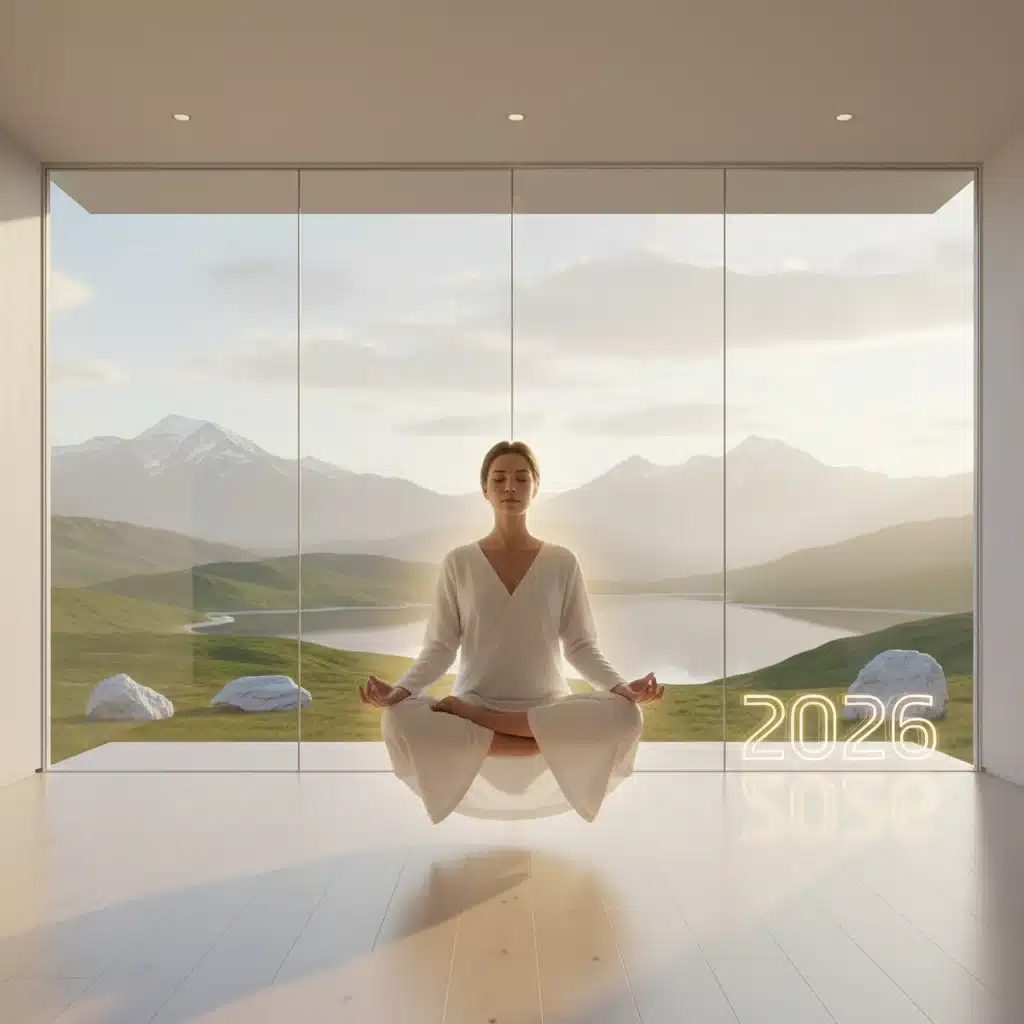
Beyond Mindfulness Apps: Practical Solutions for Sustained Meditation Practice in 2026
The dawn of 2026 brings with it a renewed focus on personal well-being and mental clarity. In an increasingly fast-paced world, the allure of meditation as a tool for stress reduction and self-discovery continues to grow. For many, the journey begins with a mindfulness app – a convenient, accessible gateway to the ancient practice. These apps have undeniably democratized meditation, making it available to millions with just a tap. However, as we move further into the decade, a crucial question arises: how do we transition from sporadic app-guided sessions to truly sustained meditation practice? This article delves into practical, actionable strategies designed to help you cultivate a deep, consistent, and lasting meditation habit, moving far beyond the initial digital introductions.
The landscape of mindfulness in 2026 is richer and more varied than ever before. While apps provide a fantastic entry point, they are often just that: an entry point. To truly reap the profound benefits of meditation – from enhanced emotional regulation to improved focus and a deeper sense of purpose – consistency is key. This isn’t about meditating for hours each day, but about weaving the practice into the fabric of your daily life, making it an indispensable part of your routine. Achieving sustained meditation practice is a journey, not a destination, and it requires intention, adaptation, and a willingness to explore methods beyond the screen.
The Limitations of App-Centric Meditation for Sustained Practice
Mindfulness apps have revolutionized access to meditation, offering guided sessions, soothing sounds, and progress trackers. They are excellent for beginners, providing structure and encouragement. However, relying solely on apps can have its limitations when it comes to fostering sustained meditation practice. The very convenience that makes them appealing can also hinder deeper engagement. Many users find themselves dependent on the app, struggling to meditate unguided or when their phone isn’t readily available. The gamified elements, while initially motivating, can sometimes shift the focus from intrinsic growth to external validation or streaks, detracting from the true spirit of mindfulness.
Furthermore, the curated nature of app content, while helpful, might not always cater to the evolving needs of an individual’s practice. As you progress, your requirements for guidance might change, necessitating a more personalized or self-directed approach. Moving beyond the app doesn’t mean abandoning it entirely; rather, it means using it as a stepping stone to build an independent, resilient, and truly sustained meditation practice.
Understanding the Core Principles of Sustained Meditation Practice
Before diving into practical solutions, it’s essential to grasp what constitutes a truly sustained meditation practice. It’s more than just sitting down for a few minutes each day. It involves:
- Consistency over Duration: Short, regular sessions are more effective than infrequent, long ones.
- Integration: Weaving mindfulness into daily activities, not just isolating it to formal meditation times.
- Autonomy: Developing the ability to meditate independently, without constant external guidance.
- Adaptability: Being able to adjust your practice to different circumstances, moods, and environments.
- Intention: Approaching each session with a clear purpose and a curious, open mind.
- Self-Compassion: Acknowledging challenges and setbacks without judgment, and gently returning to the practice.
These principles form the bedrock upon which a robust and sustained meditation practice can be built. They emphasize an internal locus of control and a flexible mindset, crucial for long-term engagement.
Practical Solutions for Cultivating Sustained Meditation Practice in 2026
1. Establish a Dedicated Sacred Space
In 2026, where digital clutter often invades our physical spaces, creating a dedicated meditation area is more important than ever. This doesn’t require a large room; even a small corner can suffice. The key is to make it a space solely for your practice, free from distractions. Equip it with a comfortable cushion or chair, perhaps some calming elements like a plant, a candle, or a meaningful object. The act of entering this space signals to your mind and body that it’s time to shift gears, fostering a consistent habit and solidifying your sustained meditation practice.
The ritual of preparing your space can become a meditative act in itself, deepening your commitment before you even sit down. Over time, this dedicated area will become imbued with the energy of your practice, making it easier to drop into a meditative state each time you enter it.
2. Integrate Micro-Meditations Throughout Your Day
One of the most effective ways to ensure sustained meditation practice is to break free from the notion that meditation must be a formal, lengthy sit. Integrate short bursts of mindfulness into your daily routine. These ‘micro-meditations’ can be as brief as 30 seconds to a few minutes. Examples include:
- Mindful Breathing: Take three deep, conscious breaths before answering a phone call or starting a new task.
- Sensory Awareness: Pay full attention to the taste and texture of your food during a meal, or the feeling of water during a shower.
- Walking Meditation: Notice the sensation of your feet on the ground and the movement of your body as you walk from one place to another.
- Pausing: Before opening a door, pause for a moment, take a breath, and notice your surroundings.
These small, consistent acts of mindfulness accumulate, strengthening your ‘meditation muscle’ and making your formal sessions feel more natural and accessible. They transform mindfulness from a separate activity into an intrinsic part of your life, crucial for sustained meditation practice.
3. Transition to Unguided Meditation Gradually
While guided meditations are invaluable for beginners, weaning yourself off them is a vital step toward sustained meditation practice. Start by reducing the length of guided segments, or by introducing periods of silence within your app-guided sessions. Eventually, try meditating for a few minutes on your own, focusing on your breath or body sensations. It will feel different and perhaps more challenging initially, but this independence builds resilience and trust in your own inner guidance.
Think of it like learning to ride a bicycle: training wheels (apps) are great for starting, but eventually, you need to pedal on your own. This transition fosters a deeper connection to your inner experience and empowers your sustained meditation practice to flourish irrespective of external tools.
4. Journaling as a Reflection Tool
The year 2026, with its advanced digital tools, still recognizes the profound power of analog reflection. After your meditation session, take a few minutes to journal your experiences. Note down any thoughts, feelings, insights, or challenges that arose during your practice. This isn’t about judging your meditation, but about observing and understanding its impact. Journaling helps you process emotions, track your progress, and identify patterns in your mental landscape. It provides a tangible record of your journey, reinforcing your commitment to sustained meditation practice and offering valuable insights for future sessions.
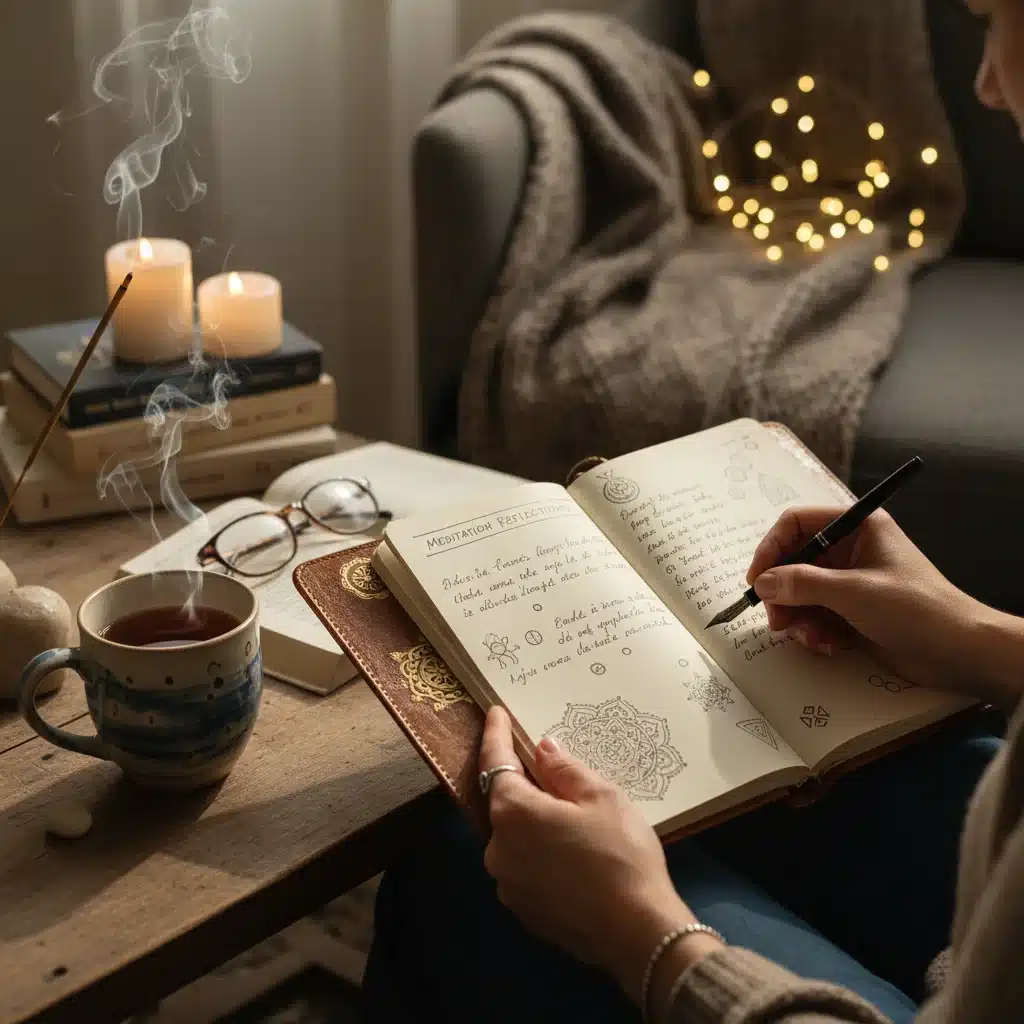
This reflective practice deepens your understanding of yourself and your relationship with meditation. It allows you to celebrate small victories, acknowledge difficulties, and consciously refine your approach, making your sustained meditation practice more intentional and adaptive.
5. Find a Community or Teacher
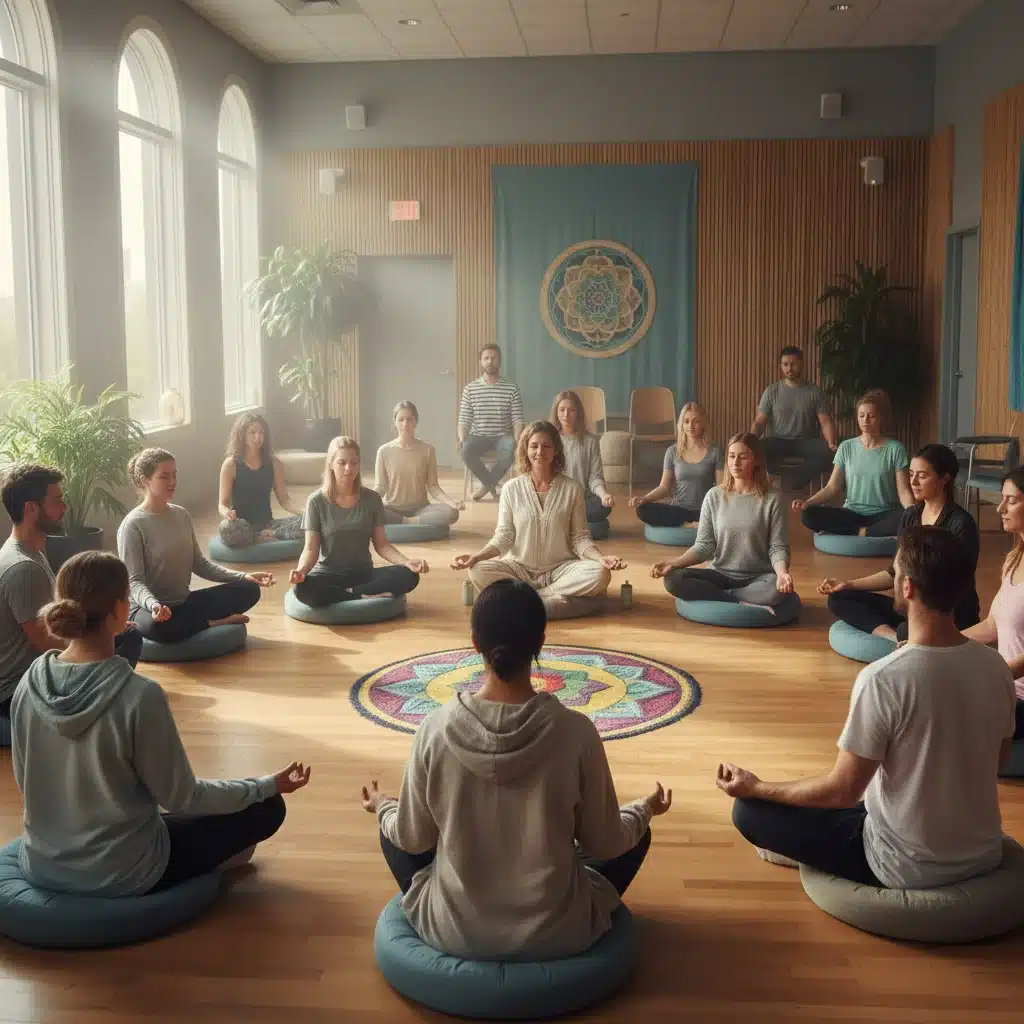
Even in an era of personalized digital experiences, human connection remains a powerful catalyst for growth. Joining a meditation group, attending workshops, or finding a qualified teacher can significantly bolster your sustained meditation practice. A community offers:
- Shared Experience: Realizing you’re not alone in your challenges and triumphs.
- Accountability: A gentle push to maintain your practice when motivation wanes.
- Deeper Learning: Access to experienced practitioners and teachers who can offer personalized guidance and advanced techniques.
- Inspiration: Being surrounded by others committed to mindfulness can be incredibly motivating.
In 2026, online communities and virtual retreats are also thriving, offering accessible options for those who can’t attend in-person gatherings. The support and wisdom derived from a community are invaluable for transforming a solitary habit into a deeply ingrained and sustained meditation practice.
6. Set Realistic Expectations and Practice Self-Compassion
The biggest obstacle to sustained meditation practice is often unrealistic expectations. There will be days when your mind is restless, days when you feel no benefit, and days when you simply don’t want to meditate. This is normal. The goal isn’t to achieve a perfectly calm mind every time, but to show up, observe what’s present, and gently return to your anchor (usually the breath) whenever your mind wanders. Self-criticism and judgment are counterproductive. Instead, treat yourself with kindness and understanding. Every time you notice your mind has strayed and you gently bring it back, you are strengthening your mindfulness muscle.
Embrace the imperfections of your practice. Understand that consistency doesn’t mean perfection. It means showing up, even when it’s hard, and treating yourself with the same compassion you would offer a dear friend. This compassionate approach is fundamental for fostering a truly sustained meditation practice that can weather the inevitable ups and downs.
7. Experiment with Different Techniques and Traditions
The world of meditation is vast, encompassing numerous techniques and traditions beyond the basic breath awareness often introduced by apps. To keep your sustained meditation practice fresh and engaging, explore different modalities:
- Vipassana: Focusing on observing sensations in the body.
- Metta (Loving-Kindness): Cultivating feelings of compassion and goodwill.
- Transcendental Meditation (TM): Using a mantra to settle the mind.
- Yoga Nidra (Yogic Sleep): A guided relaxation practice.
- Zazen: Seated meditation from Zen Buddhism, often involving open awareness.
Experimenting can help you discover what resonates most deeply with you at different stages of your life. While it’s good to stick with one technique for a period to gain depth, occasional exploration can prevent stagnation and reignite your enthusiasm, ensuring a more dynamic and sustained meditation practice.
8. Leverage Technology Thoughtfully: Beyond Basic Apps
While we advocate moving beyond basic app dependency, 2026 offers advanced technological tools that can support, rather than dictate, your sustained meditation practice. Consider:
- Biofeedback Devices: Wearables that track heart rate variability or brainwave activity can provide objective data on your state of relaxation, helping you understand the physiological impact of your practice.
- Smart Home Integration: Automate lighting or soundscapes in your dedicated meditation space to create an optimal environment at a scheduled time.
- Advanced Meditation Platforms: Some platforms offer more in-depth courses, live virtual retreats, or access to expert teachers for personalized coaching, serving as a bridge between basic apps and traditional in-person learning.
- Digital Journals with AI Insights: AI-powered journaling tools can analyze your entries over time, identifying patterns in your emotional states or meditation experiences, offering insights that might not be immediately apparent.
The key is to use these tools as enhancers, not replacements, for your inner work. They should empower your autonomy, not diminish it, contributing to a more informed and sustained meditation practice.
9. Connect Meditation to Your Values and Purpose
For any habit to be truly sustained meditation practice, it needs to be deeply connected to something meaningful. Reflect on why you meditate. Is it for greater clarity, reduced stress, enhanced creativity, or a deeper connection to your true self? When meditation is aligned with your core values and life purpose, it stops feeling like a chore and becomes a vital act of self-care and self-development. Regularly reminding yourself of these deeper motivations can provide the intrinsic drive needed to maintain consistency, especially when external motivation wanes.
This intrinsic motivation is the most powerful fuel for any long-term endeavor, including your journey towards a truly sustained meditation practice. When you understand the ‘why’ behind your practice, the ‘how’ becomes much easier to navigate.
10. Cultivate Patience and Persistence
The benefits of meditation often unfold gradually, like ripples in a pond. There isn’t a quick fix or an immediate enlightenment. Sustained meditation practice requires immense patience and persistence. There will be plateaus, moments of doubt, and periods where progress feels slow or nonexistent. It’s during these times that true commitment is forged. Trust the process, even when you don’t feel immediate results. The cumulative effect of showing up day after day, even for a few minutes, is profound.
Remember that meditation is a skill that improves with consistent effort. Like learning an instrument or a new language, mastery comes from repeated engagement, not from a single breakthrough. Embrace the long game, and your sustained meditation practice will become an unwavering anchor in your life.
The Future of Sustained Meditation Practice in 2026 and Beyond
As we navigate the complexities of 2026, the need for inner resilience and mental well-being is paramount. Moving beyond the initial fascination with mindfulness apps, the focus is shifting towards deeper, more integrated approaches to sustained meditation practice. This involves a blend of ancient wisdom and thoughtful modern application, personal discipline and community support, and an unwavering commitment to self-discovery.
The future of meditation is not about abandoning technology, but about using it judiciously to support a practice that is fundamentally internal and autonomous. It’s about empowering individuals to cultivate a profound sense of inner peace and clarity that transcends fleeting trends and digital distractions. By embracing these practical solutions, you can transform your meditation journey from a temporary experiment into a lifelong, enriching sustained meditation practice, bringing balance and grounding to every aspect of your existence.