January 2026 Total Lunar Eclipse: Your Ultimate Stargazing Guide
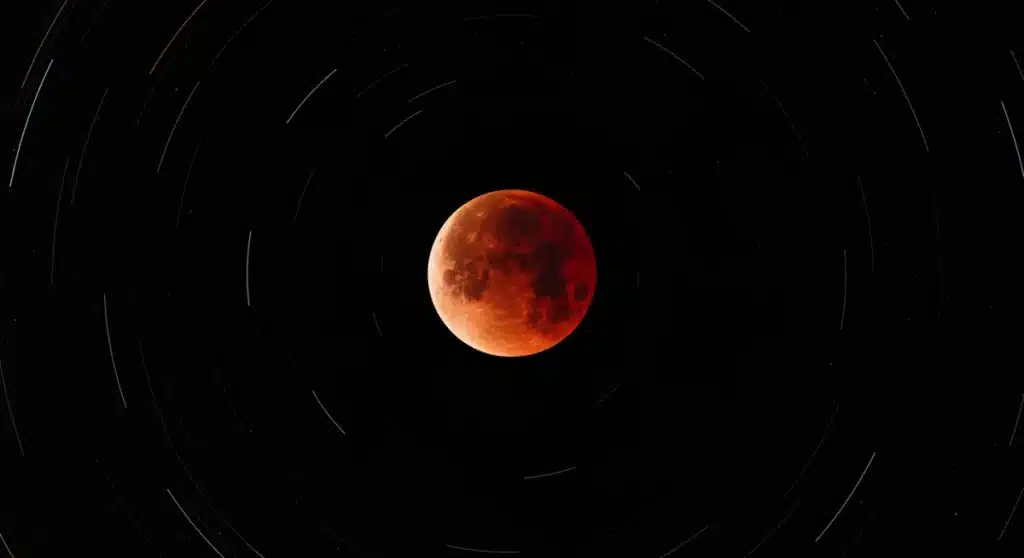
The celestial ballet continues, and one of the most anticipated performances on our astronomical calendar is the January 2026 Total Lunar Eclipse. For stargazers, amateur astronomers, and curious minds alike, this event promises a breathtaking spectacle as the Moon dips into Earth’s shadow, transforming its usual pearly white into a mesmerizing coppery-red hue. This comprehensive guide is designed to equip you with all the knowledge you need to fully appreciate and experience this rare and stunning phenomenon. From understanding the science behind it to finding the best viewing spots and capturing its beauty through photography, we’ve got you covered.
A total lunar eclipse is not just a visual treat; it’s a profound reminder of our place in the cosmos. It’s an opportunity to connect with the universe in a deeply personal way, observing the intricate dance of celestial bodies that govern our skies. Unlike solar eclipses, lunar eclipses are safe to view with the naked eye and can be enjoyed by millions across vast geographical regions. The January 2026 Total Lunar Eclipse offers an exceptional chance to witness this cosmic alignment, and with proper preparation, you can make it an unforgettable experience.
Understanding the January 2026 Total Lunar Eclipse: The Science Behind the Spectacle
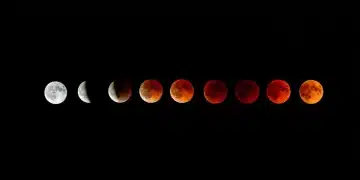
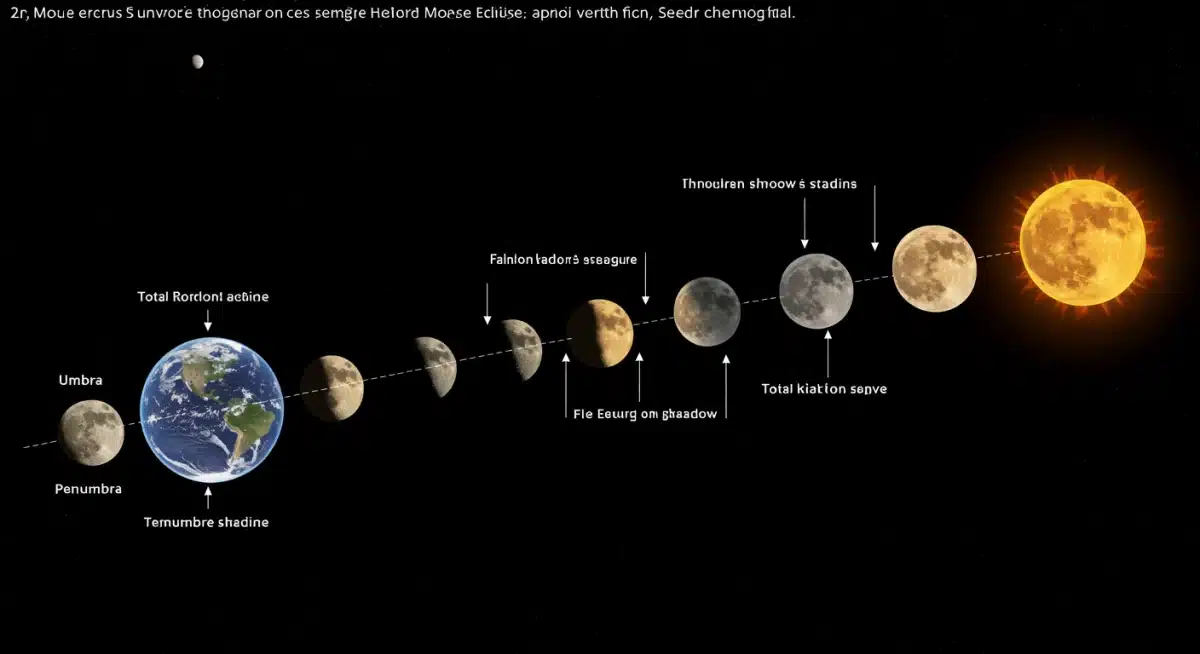
Before we delve into viewing specifics, let’s briefly touch upon the science that orchestrates a total lunar eclipse. A lunar eclipse occurs when the Earth passes directly between the Sun and the Moon, casting a shadow on the Moon. For a *total* lunar eclipse, the entire Moon must pass through the darkest part of Earth’s shadow, known as the umbra. If only a portion of the Moon enters the umbra, it’s a partial eclipse. If it only passes through the lighter outer shadow, the penumbra, it’s a penumbral eclipse, which is much harder to detect.
The distinctive red or coppery color often associated with a total lunar eclipse is due to a phenomenon called Rayleigh scattering. The Earth’s atmosphere filters sunlight, scattering blue light more effectively than red light. As sunlight passes through our atmosphere, the blue light is dispersed, while the red and orange wavelengths continue through, bending around the Earth and illuminating the Moon. The amount of dust, clouds, and volcanic ash in Earth’s atmosphere at the time of the eclipse can significantly influence the Moon’s color, ranging from bright orange to dark blood-red, or even almost black if there’s a lot of atmospheric interference. This variation in color is often described using the Danjon Scale, a five-point scale that measures the darkness and color of the Moon during a total lunar eclipse.
The January 2026 Total Lunar Eclipse will be a prime example of this atmospheric filtering, offering observers a chance to witness the Moon’s transformation in real-time. Understanding this scientific principle enhances the appreciation of the event, turning a simple observation into a deeper connection with astrophysics.
Key Dates, Times, and Visibility for the January 2026 Total Lunar Eclipse
To successfully observe the January 2026 Total Lunar Eclipse, precise timing and location information are paramount. While specific times can vary slightly depending on your exact geographical coordinates, here’s a general overview of what to expect:
- Date of Eclipse: January 12-13, 2026 (spanning two calendar days for some regions).
- Penumbral Eclipse Begins: The Moon enters the Earth’s faint outer shadow. This phase is often imperceptible to the naked eye.
- Partial Eclipse Begins: The Moon begins to enter the Earth’s darker umbral shadow. A noticeable ‘bite’ will appear on the Moon’s edge.
- Total Eclipse Begins (Totality): The entire Moon is immersed in the Earth’s umbra, and the characteristic reddish hue becomes visible. This is the most dramatic phase.
- Maximum Eclipse: The midpoint of totality, when the Moon is deepest within the Earth’s shadow.
- Total Eclipse Ends: The Moon begins to emerge from the umbra.
- Partial Eclipse Ends: The Moon completely exits the umbra.
- Penumbral Eclipse Ends: The Moon fully leaves the Earth’s shadow.
Visibility: The January 2026 Total Lunar Eclipse will be visible from a wide range of locations. Preliminary projections indicate that the eclipse will be best viewed from parts of Asia, Australia, the Pacific Ocean, and the Americas. For those in Europe and Africa, the eclipse might be visible during moonset or moonrise, offering a unique horizon-hugging spectacle. It is crucial to check local astronomical resources or reliable eclipse tracking websites closer to the date for precise times and visibility maps tailored to your specific city or region. These resources will provide exact start and end times for each phase, helping you plan your viewing experience down to the minute.
Even if you are not in the prime viewing zones, many observatories and amateur astronomy groups often host live streams of such events, allowing anyone with an internet connection to witness the grandeur of the January 2026 Total Lunar Eclipse.
Preparing for the January 2026 Total Lunar Eclipse: Essential Gear and Tips
Observing a total lunar eclipse requires minimal equipment, making it an accessible event for everyone. However, a few items can significantly enhance your experience:
1. Naked Eye Viewing
The beauty of a lunar eclipse is that it’s perfectly safe to view directly with your eyes. No special filters or protective eyewear are needed, unlike with solar eclipses. Simply find a comfortable spot with a clear view of the moon.
2. Binoculars
For a closer look, a good pair of binoculars (e.g., 7×50 or 10×50) can make a world of difference. They will magnify the Moon’s surface, allowing you to see craters and mare with greater detail, and truly appreciate the subtle color variations during totality. Binoculars are also excellent for scanning the surrounding sky for stars that might become more visible as the Moon darkens.
3. Telescopes
If you have access to a telescope, even a small one, it will provide an even more immersive experience. A telescope will reveal intricate lunar features and the delicate nuances of the red light filtering through Earth’s atmosphere. Remember to use a low-power eyepiece during totality to capture the entire lunar disc in your field of view.
4. Comfort and Convenience
- Warm Clothing: January nights can be cold, especially if you’re outside for an extended period. Dress in layers.
- Comfortable Chair: Stargazing often involves looking up for long periods, so a reclining chair can be a savior for your neck.
- Red-Light Flashlight: To protect your night vision, use a flashlight with a red filter. White light can ruin your dark adaptation, making it harder to see faint celestial objects.
- Snacks and Hot Beverages: Make it an enjoyable outing, especially if you’re with family or friends.
- Star Chart/App: While the Moon is easy to find, a star chart or astronomy app can help you identify constellations and other celestial objects visible during the eclipse.
Finding the Perfect Viewing Location for the January 2026 Total Lunar Eclipse
The success of your January 2026 Total Lunar Eclipse viewing experience largely depends on your chosen location. While lunar eclipses are visible from wide areas, certain conditions will optimize your view:
1. Dark Skies
Light pollution is the bane of stargazers. While the Moon is bright enough to be seen even in urban areas, a darker sky will enhance the eclipse’s visual impact, making the subtle colors more apparent and allowing fainter stars to twinkle around the eclipsed Moon. Seek out locations away from city lights, such as rural areas, national parks, or designated dark-sky preserves.
2. Clear Horizon
Ensure your chosen spot has an unobstructed view of the horizon where the Moon will be highest in the sky during totality. Trees, buildings, and mountains can block your view, especially during the early and late stages of the eclipse when the Moon is lower.
3. Safety and Accessibility
Choose a safe location. If you’re venturing into a remote area, inform someone of your plans. Consider accessibility, especially if you’re bringing equipment or viewing with children or individuals with mobility issues. Public parks or open fields just outside city limits can often provide a good balance of dark skies and accessibility.
4. Weather Considerations
Cloud cover is the ultimate spoiler for any astronomical event. Keep a close eye on weather forecasts in the days leading up to the January 2026 Total Lunar Eclipse. Have a backup plan or an alternative viewing location if possible. Sometimes, even moving a short distance can make a difference in finding clear skies.
Capturing the January 2026 Total Lunar Eclipse: Photography Tips
For many, witnessing the eclipse is enough, but for others, capturing its beauty through photography is an essential part of the experience. Photographing the January 2026 Total Lunar Eclipse can be incredibly rewarding. Here are some tips to help you get stunning shots:
1. Equipment Essentials
- Camera: A DSLR or mirrorless camera with manual controls is ideal. Even modern smartphones with advanced manual settings can produce decent results.
- Lens: A telephoto lens (200mm or more) is best for close-ups of the eclipsed Moon. For wider shots capturing the Moon with a landscape, a wide-angle lens is suitable.
- Tripod: Absolutely essential for long exposures and sharp images, especially during totality when the Moon is dimmer.
- Remote Shutter Release: Prevents camera shake when pressing the shutter button.
- Extra Batteries: Cold weather can drain batteries quickly.
2. Camera Settings for Lunar Eclipse Photography
The Moon’s brightness changes dramatically throughout the eclipse, so you’ll need to adjust your settings accordingly.
- Partial Phases: The Moon is still quite bright. Use a lower ISO (100-400), a faster shutter speed (1/125 to 1/30 second), and a smaller aperture (f/8 to f/11) to capture detail.
- Totality: The Moon becomes much dimmer. You’ll need to increase your ISO (800-3200 or higher), use a slower shutter speed (1 to 4 seconds), and a wider aperture (f/2.8 to f/5.6). Experiment with these settings, as the Moon’s brightness during totality can vary.
- Focus: Manual focus is highly recommended. Focus on the Moon (or a distant bright star) and then switch to manual to lock it in.
- RAW Format: Shoot in RAW to capture the maximum amount of image data, giving you more flexibility in post-processing.
3. Composition and Planning
Consider not just the Moon itself, but also how it fits into the broader landscape. Can you include a recognizable landmark, a silhouette of trees, or interesting foreground elements? Plan your shot in advance using apps that predict Moon positions relative to your location. The January 2026 Total Lunar Eclipse offers a fantastic opportunity for astrophotography, from simple captures to complex composites.
The Cultural and Historical Significance of Lunar Eclipses
Beyond the scientific and visual appeal, lunar eclipses have held profound cultural and historical significance across various civilizations. Throughout history, these celestial events have been interpreted in myriad ways, often influencing beliefs, myths, and even societal decisions.
In ancient cultures, a blood-red Moon was sometimes seen as an omen of war, famine, or impending disaster. Many civilizations developed elaborate myths to explain the Moon’s temporary disappearance or change in color. For instance, some cultures believed a beast was devouring the Moon, leading to rituals of shouting, drumming, and making noise to scare the creature away. The Incas believed a jaguar was attacking the Moon, while Mesopotamians saw it as an attack on their king, leading to proxy rulers being installed during eclipses to divert the bad omens.
Conversely, other cultures viewed lunar eclipses as times of transformation, spiritual cleansing, or powerful divine intervention. Indigenous communities in North America often held ceremonies and told stories linked to these celestial events, emphasizing cycles of life and renewal. Early astronomers, such as the Babylonians and Greeks, painstakingly recorded eclipses, using them to develop sophisticated calendars and predict future astronomical events. The precise prediction of eclipses was a testament to their advanced understanding of celestial mechanics, even without modern tools.
The January 2026 Total Lunar Eclipse, while now understood through a scientific lens, still carries with it this rich tapestry of human history and our enduring fascination with the cosmos. Observing it can be a way to connect with the ancestors who gazed upon similar spectacles, pondering the same mysteries.
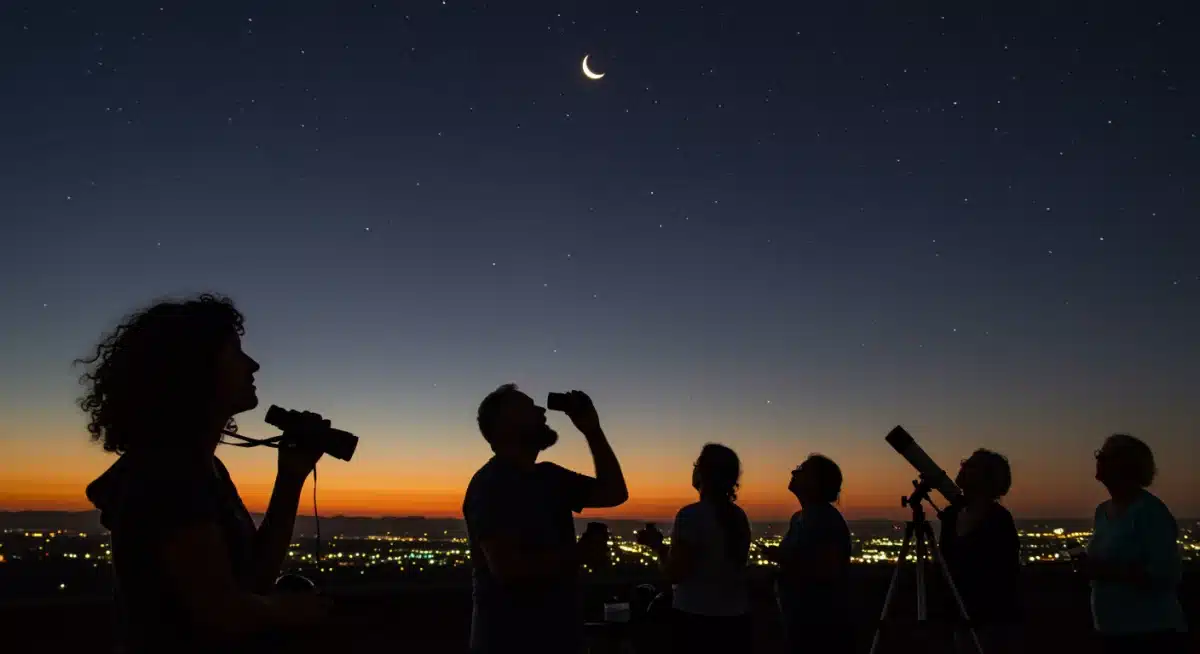
Beyond the Eclipse: Exploring the Night Sky
The January 2026 Total Lunar Eclipse provides an excellent gateway into the wider world of stargazing. As the Moon darkens during totality, the surrounding stars and constellations, usually obscured by the Moon’s brilliance, will become more prominent. This is a perfect opportunity to identify other celestial objects.
Take some time during the eclipse to look away from the Moon and explore the constellations visible in the January sky. Depending on your location, you might spot prominent winter constellations like Orion, Taurus, Gemini, and Canis Major. If you have binoculars, sweep them across the Milky Way (if visible from your dark-sky location) or look for star clusters and nebulae that become more apparent in the absence of strong moonlight.
Learning to navigate the night sky can turn a single eclipse viewing into a lifelong hobby. Many free apps and online resources can help you identify stars and constellations in real-time. Consider joining a local astronomy club; these groups often organize public viewing events and can provide invaluable guidance for novice stargazers. The eclipse is just one chapter in the grand book of the night sky, and there’s always more to discover.
Safety and Etiquette During the January 2026 Total Lunar Eclipse
While viewing a lunar eclipse is inherently safe, a few considerations can ensure a pleasant experience for everyone, especially if you’re viewing in a public space:
- Respect Others’ Views: If you’re using a telescope, be mindful of those around you. Offer glimpses to others if appropriate.
- Minimize Light Pollution: Avoid using bright white flashlights or phone screens. Use red-light flashlights if necessary.
- Leave No Trace: Pack out everything you pack in. Keep public viewing areas clean.
- Stay Aware of Your Surroundings: If you’re in a remote location, be aware of wildlife and any potential hazards.
The January 2026 Total Lunar Eclipse is a shared experience. By being considerate and prepared, you contribute to a positive and memorable event for all observers.
Conclusion: Don’t Miss the January 2026 Total Lunar Eclipse!
The January 2026 Total Lunar Eclipse is set to be a magnificent astronomical event, offering a chance to witness the mesmerizing interplay of light and shadow in our solar system. Whether you’re a seasoned astronomer or a casual observer, the transformation of the Moon into a coppery orb is a sight that truly captivates the imagination. By understanding the science, preparing your viewing spot, and perhaps even trying your hand at photography, you can make this eclipse a deeply personal and enriching experience.
Mark your calendars, check your local viewing times, and prepare to be amazed. The beauty of the cosmos awaits, and the January 2026 Total Lunar Eclipse is a perfect opportunity to look up and marvel at the wonders above. Happy stargazing!