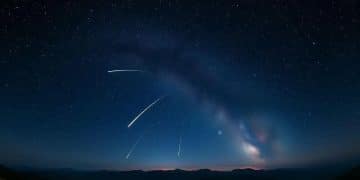
Quadrantid Meteor Shower 2026: Your Ultimate Guide to Observing the Celestial Spectacle
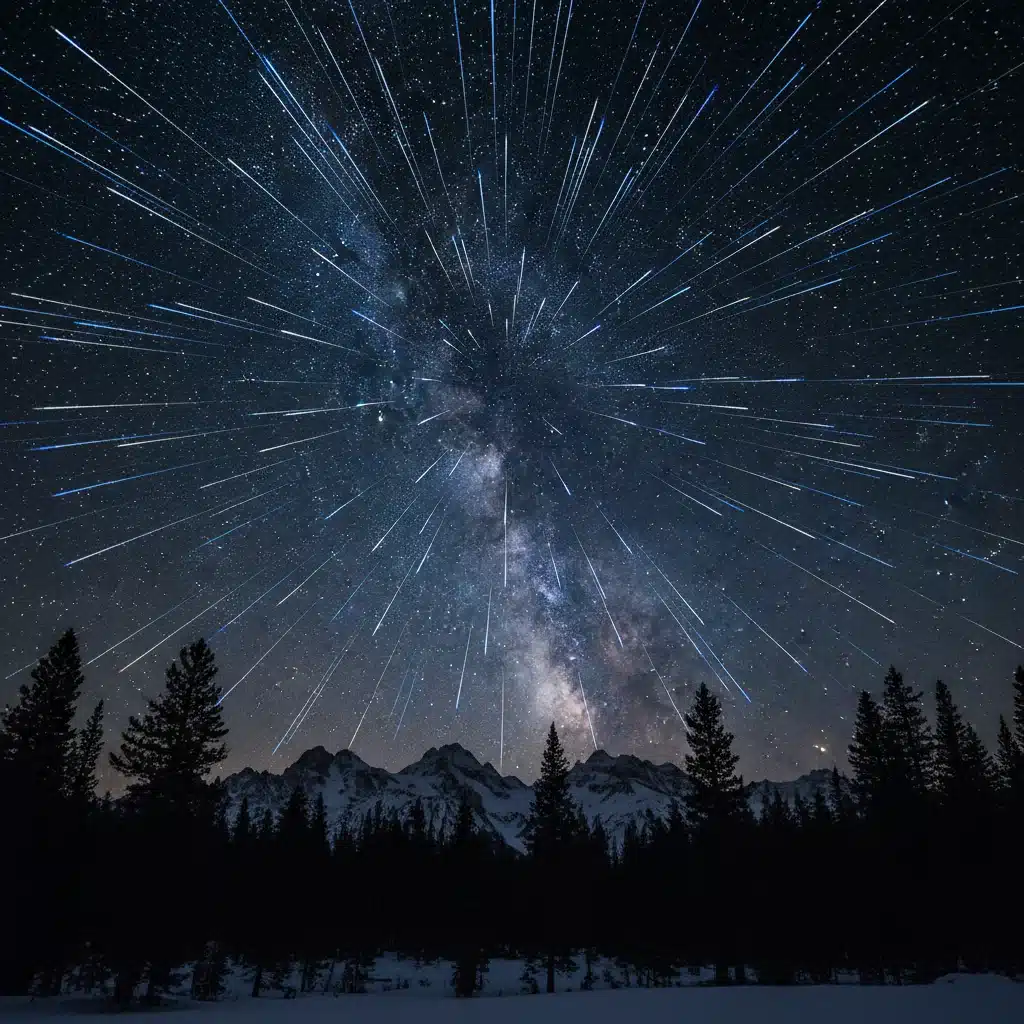
The 2026 Quadrantid Meteor Shower: A Guide to Observing One of the Strongest Annual Displays
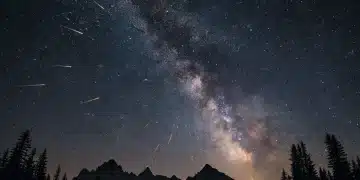
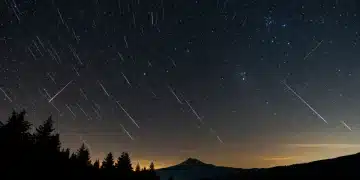
Get ready to witness a truly spectacular celestial event! The 2026 Quadrantid Meteor Shower promises to be one of the most anticipated astronomical highlights of the year. Known for its intense, bright meteors and relatively short but powerful peak, the Quadrantids offer a breathtaking display for eager stargazers. If you’ve ever wanted to experience the thrill of watching shooting stars, this guide will provide you with all the essential information to make your 2026 Quadrantid Meteor Shower viewing experience unforgettable.
Unlike many other meteor showers which originate from comets, the Quadrantids are unique because their parent body is an asteroid, 2003 EH1. This gives them a distinct characteristic and often results in exceptionally bright, fast-moving meteors. For those new to meteor showers, or seasoned observers looking to optimize their viewing, understanding the specifics of this event is crucial. From the best times to look up to the ideal locations and necessary equipment, we’ve got you covered. Prepare to be amazed by the raw beauty of our universe as it puts on a dazzling show right above our heads. Let’s delve into the details of what makes the 2026 Quadrantid Meteor Shower so special and how you can best enjoy it.
Understanding the Quadrantid Meteor Shower
The Quadrantid Meteor Shower is one of the most active and reliable annual meteor showers, though it often gets less attention than the Perseids or Geminids due to its timing in the cold Northern Hemisphere winter. Its name comes from the now-defunct constellation Quadrans Muralis (Mural Quadrant), which was located between the constellations of Boötes and Draco. Although this constellation is no longer officially recognized, the shower retains its historical name, with its radiant point still found in that general area of the sky, near the Big Dipper’s handle.
What sets the Quadrantids apart is their origin. Most meteor showers are caused by debris left behind by comets as they orbit the Sun. However, the Quadrantids are believed to originate from an asteroid, 2003 EH1, which itself might be an extinct comet. This makes the Quadrantids a bridge between cometary and asteroidal phenomena, offering scientists a unique opportunity to study the evolution of these small solar system bodies.
Another distinguishing feature is the meteor shower’s radiant point. While many showers have radiants located in well-known constellations, the Quadrantids’ radiant lies in an area once occupied by the constellation Quadrans Muralis. This constellation was invented by French astronomer Jérôme Lalande in 1795 but was later removed from official star charts by the International Astronomical Union in 1922. Despite its removal, the shower kept its historic name, a nod to astronomical history.
The debris stream that produces the Quadrantids is also relatively narrow, which explains the shower’s short but intense peak. Earth passes through this dense part of the stream quickly, resulting in a burst of activity over just a few hours. If Earth were to pass through a slightly different part of the stream, the shower activity could be significantly less. This narrowness makes predicting the exact peak time and intensity challenging but also adds to the excitement and exclusivity of catching the 2026 Quadrantid Meteor Shower at its best.
Understanding these scientific nuances not only deepens our appreciation for the shower but also highlights the dynamic and ever-evolving nature of our solar system. Each meteor streak is a tiny piece of ancient space rock, burning up as it makes its final journey, offering a fleeting glimpse into the vastness beyond Earth.
Safety and Etiquette for Stargazing
While observing the 2026 Quadrantid Meteor Shower is a magical experience, it’s important to prioritize safety and practice good stargazing etiquette, especially if you’re in a public or shared viewing area.
Personal Safety:
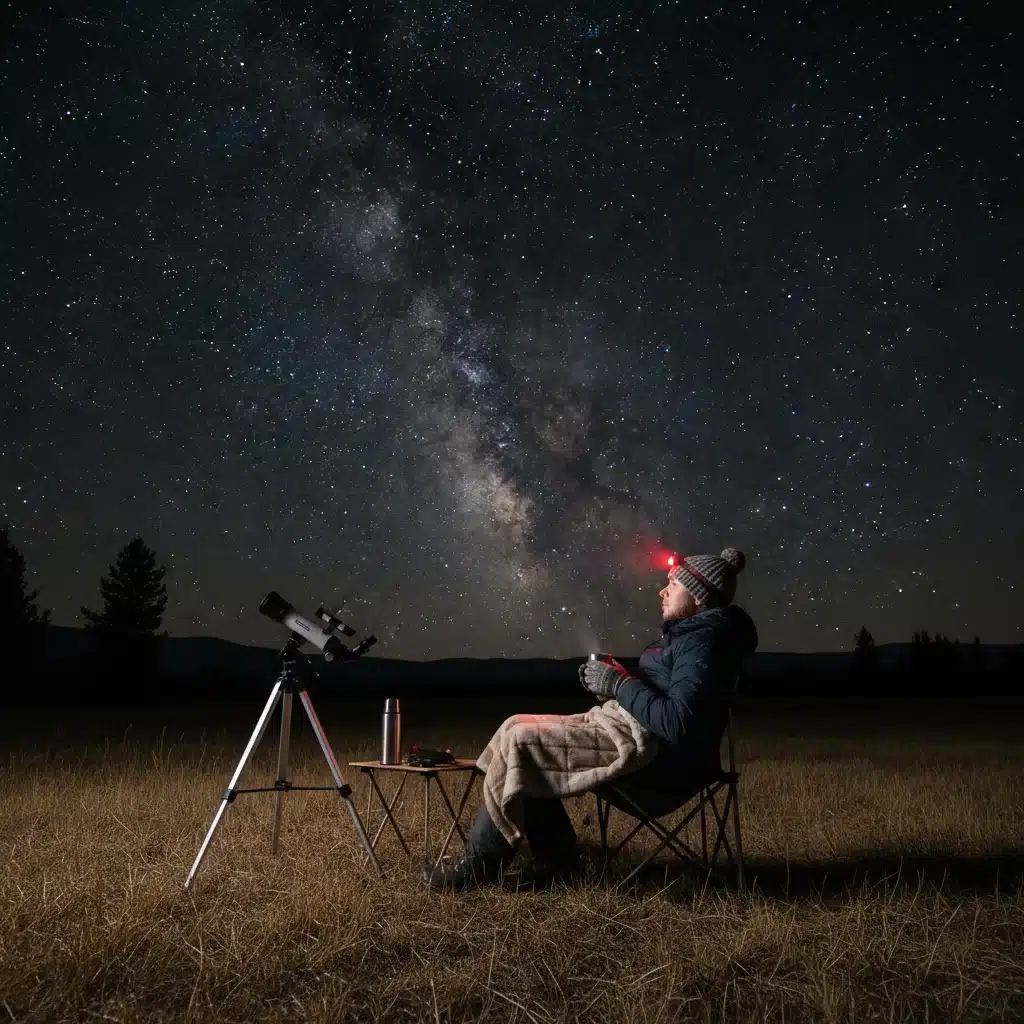
- Dress for the Cold: We cannot stress this enough. Hypothermia is a real risk. Wear multiple layers, including a windproof outer layer, and protect your extremities (head, hands, feet).
- Inform Others: If you’re going to a remote location, tell someone where you’re going and when you expect to return.
- Bring a First-Aid Kit: Basic supplies for minor cuts, scrapes, or emergencies.
- Stay Hydrated and Fed: Even in the cold, it’s important to drink water and eat snacks to maintain energy and body temperature.
- Beware of Wildlife: In rural or wilderness areas, be aware of local wildlife and take appropriate precautions.
- Vehicle Safety: If driving to a remote spot, ensure your vehicle is in good condition, has enough fuel, and is parked safely off the road.
Stargazing Etiquette:
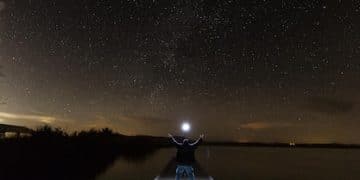
- Minimize White Light: This is the golden rule of stargazing. Avoid using white flashlights, car headlights, or phone screens. If you must use a light, use a red-light flashlight and keep it pointed downwards.
- Be Mindful of Others: If you’re with a group or in a public area, be respectful of other observers’ night vision. Avoid sudden movements or loud noises.
- Leave No Trace: Pack out everything you pack in. Do not litter. Help keep dark sky sites pristine for everyone.
- Ask Before Using Lasers: Green lasers are often used by astronomers to point out celestial objects, but they can be distracting or even dangerous if shone into someone’s eyes or towards aircraft. Always ask permission before using one in a group setting.
- Share the Experience: If you have binoculars or a telescope, offer others a peek, fostering a sense of community and shared wonder.
By adhering to these guidelines, you contribute to a safe, enjoyable, and respectful environment for everyone to appreciate the majesty of the 2026 Quadrantid Meteor Shower. Remember, the goal is to fully immerse yourself in the experience without disturbing others or harming the environment.
Beyond the Quadrantids: Exploring Other Celestial Events in 2026
While the 2026 Quadrantid Meteor Shower is an exciting way to kick off the new year, it’s just one of many astronomical wonders awaiting us. For those whose interest in the night sky is piqued by the Quadrantids, 2026 promises a host of other captivating events. Keeping an eye on the astronomical calendar can enrich your year with numerous stargazing opportunities.
- Lunar and Solar Eclipses: 2026 will feature several eclipses. A total solar eclipse is anticipated on August 12, 2026, offering a breathtaking spectacle for those in its path (primarily parts of Europe and the Arctic). Lunar eclipses, both partial and total, are also expected and are visible from much wider geographical areas, providing a chance to see the Moon turn a dramatic coppery red.
- Other Major Meteor Showers: After the Quadrantids, look forward to the Lyrids in April, the Perseids in August (often considered one of the best summer showers), and the Geminids in December. Each shower has its unique characteristics and parent body, offering diverse viewing experiences throughout the year.
- Planetary Conjunctions: Keep an eye out for moments when planets appear close together in the night sky, creating beautiful alignments. These conjunctions are easily visible to the naked eye and can be stunning photo opportunities.
- Bright Comets: While unpredictable, there’s always a chance a bright comet might grace our skies. Staying updated with astronomical news sources can alert you to potential ‘comets of the year.’
The beauty of astronomy is its constant unfolding. Each night offers a different view, and each year brings a new set of cosmic events to observe. The 2026 Quadrantid Meteor Shower serves as an excellent reminder to look up and reconnect with the vast universe above us. It’s a chance to step away from the distractions of daily life and simply marvel at the natural wonders of space.
Investing in a good astronomy guide or downloading a reliable stargazing app can help you stay informed about these events and plan your observations. Many local astronomy clubs also host public viewing sessions, which are fantastic opportunities to learn from experienced observers and use specialized equipment.
Conclusion: Embrace the Spectacle of the 2026 Quadrantid Meteor Shower
The 2026 Quadrantid Meteor Shower is more than just an astronomical event; it’s an invitation to connect with the cosmos, to witness a fleeting yet powerful display of nature’s grandeur. Its unique asteroid origin, short but intense peak, and the promise of bright, fast meteors make it a must-see for anyone with an appreciation for the night sky.
By preparing adequately – finding a dark sky, dressing warmly, and understanding the best viewing times – you set yourself up for an unforgettable experience. Whether you’re a seasoned astrophotographer aiming to capture stunning images or a casual observer simply looking to enjoy the beauty of shooting stars, the Quadrantids offer something for everyone.
As the early hours of January 3rd, 2026, approach, take a moment to step outside, away from the city lights, and look up. Let your eyes adjust to the darkness, and allow yourself to be immersed in the silent, spectacular dance of the universe. The 2026 Quadrantid Meteor Shower is a perfect reminder of the wonders that lie beyond our planet, a testament to the dynamic and beautiful solar system we inhabit. Don’t miss this incredible opportunity to witness one of nature’s most dazzling fireworks displays.
Happy stargazing, and may your skies be clear and full of Quadrantids!