Solar Cycle 25 in 2026: Predicting 5 Key Solar Activity Peaks and Their Earthly Effects
Solar Cycle 25 in 2026: Predicting 5 Key Solar Activity Peaks and Their Earthly Effects
The sun, our life-giving star, is a dynamic and ever-changing entity. Far from being a static ball of fire, it undergoes regular cycles of activity, waxing and waning in intensity over approximately 11-year periods. We are currently in Solar Cycle 25, and as we approach 2026, scientific predictions point towards a period of heightened activity. Understanding these solar cycles, particularly the anticipated peaks of Solar Cycle 25, is crucial not only for space enthusiasts but for anyone interested in how our star influences life and technology on Earth.
This article delves into the fascinating world of Solar Cycle 25, focusing on the projected peaks of solar activity in 2026. We will explore what these peaks entail, the science behind them, and, most importantly, their potential earthly effects. From dazzling aurora displays to potential disruptions in our technological infrastructure, the sun’s moods have far-reaching consequences. Join us as we prepare for an active solar year and unravel the mysteries of our star’s powerful influence.
Understanding Solar Cycles: The Rhythms of Our Star
Before we pinpoint the specific peaks of Solar Cycle 25, it’s essential to grasp the fundamental concept of solar cycles. The sun’s activity is primarily driven by its magnetic field, which undergoes a complete reversal approximately every 11 years. This cycle is characterized by fluctuations in the number of sunspots – darker, cooler regions on the sun’s surface where magnetic field lines are concentrated.
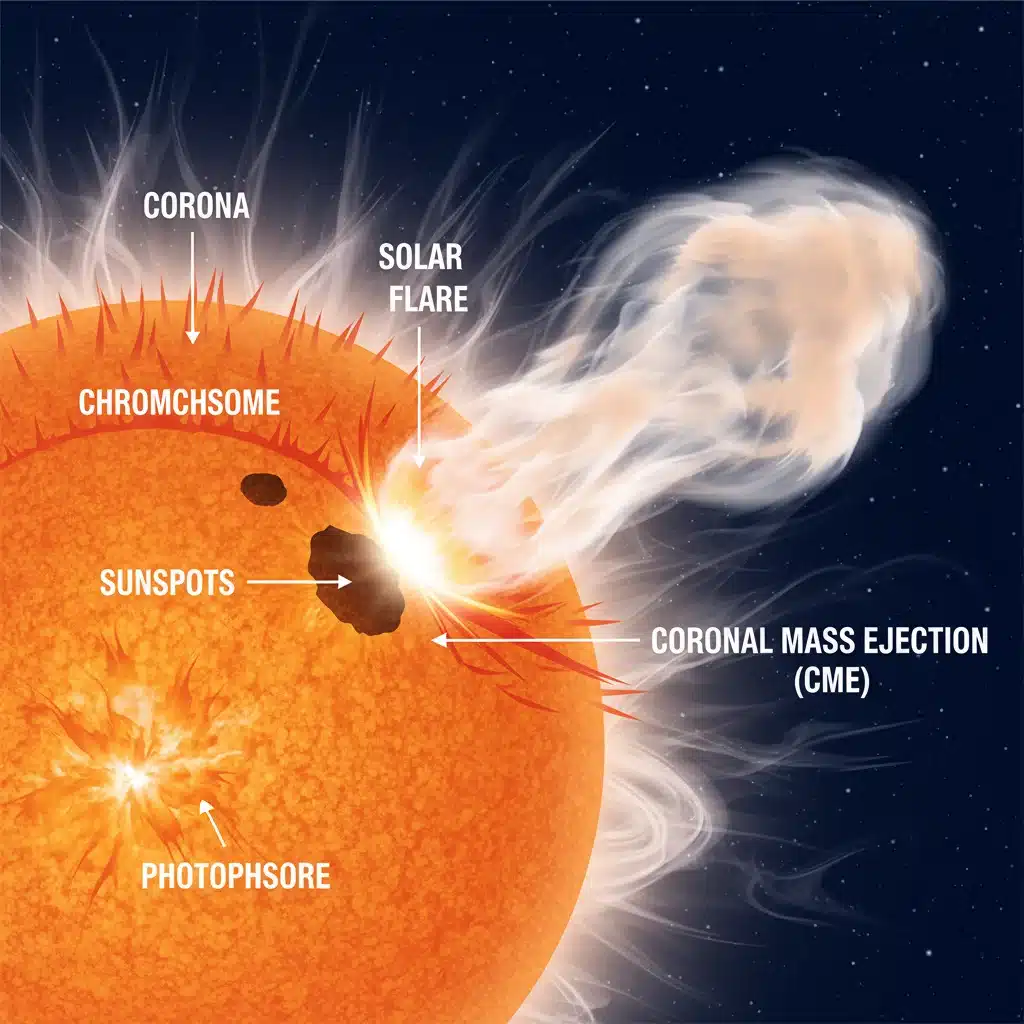
During a solar minimum, sunspot activity is low, and the sun appears relatively calm. As the cycle progresses towards a solar maximum, the number of sunspots increases dramatically, leading to a surge in other forms of solar activity, such as solar flares and coronal mass ejections (CMEs). These events are the primary drivers of space weather, which can have significant effects on Earth.
Solar Cycle 25 officially began in December 2019, following a relatively quiet Solar Cycle 24. Initial predictions for Solar Cycle 25 suggested it would be a moderately weak cycle, similar to its predecessor. However, recent observations and revised forecasts indicate that Solar Cycle 25 is proving to be more active than initially expected, with a higher sunspot count and more frequent energetic events. This revised outlook makes the anticipated peaks in 2026 particularly noteworthy.
The science behind these cycles involves complex magneto-hydrodynamic processes within the sun’s interior, often referred to as the solar dynamo. This dynamo generates the sun’s magnetic field, which then emerges through the surface, creating sunspots and driving the various phenomena we observe. Predicting the exact timing and intensity of solar cycles is a challenging scientific endeavor, but advancements in solar physics and data analysis are continually refining our understanding and forecasting capabilities.
The Role of Sunspots in Solar Activity
Sunspots are not merely dark blemishes; they are indicators of intense magnetic activity. The magnetic field lines within sunspots are so strong that they inhibit the convection of heat from the sun’s interior, making these regions cooler and thus appearing darker. These concentrated magnetic fields are also the breeding grounds for solar flares and CMEs.
A solar flare is a sudden, intense burst of radiation emanating from the sun’s surface, often associated with sunspots. These flares release enormous amounts of energy across the electromagnetic spectrum, from radio waves to X-rays and gamma rays. While the light from a flare reaches Earth in approximately eight minutes, the associated charged particles and CMEs take longer.
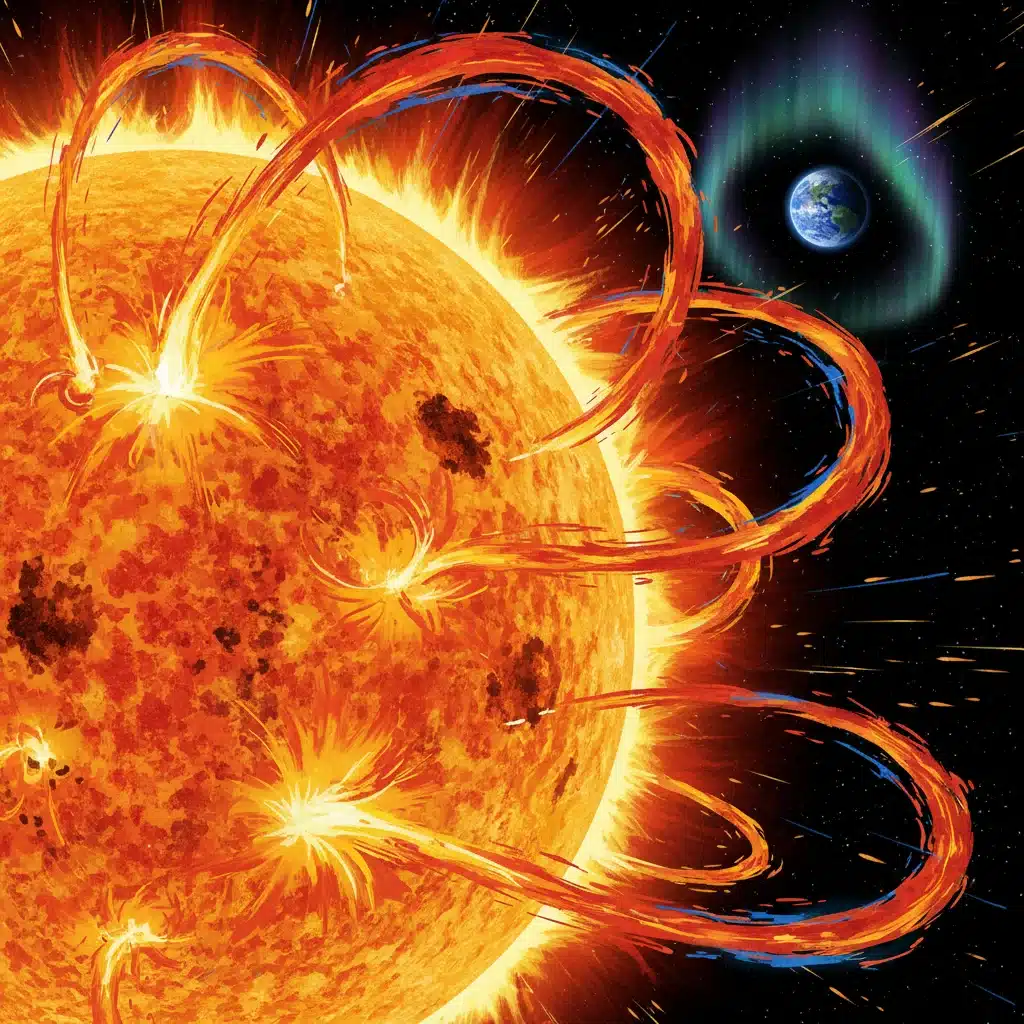
Coronal Mass Ejections (CMEs) are massive expulsions of plasma and magnetic field from the sun’s corona. When directed towards Earth, CMEs can trigger geomagnetic storms, which are disturbances in Earth’s magnetosphere. These storms are the primary cause of many of the earthly effects we will discuss, underscoring the critical link between sunspot activity, solar flares, CMEs, and their impact on our planet.
Predicting Solar Cycle 25 in 2026: The Anticipated Peaks
While the exact timing and intensity of solar maximum can vary, current scientific models and observations suggest that Solar Cycle 25 is heading towards its peak activity around 2024-2026. Given the dynamic nature of the sun, pinpointing specific ‘peaks’ is more about identifying periods of significantly elevated activity rather than precise dates. However, based on current trends and expert consensus, we can anticipate several key phases of heightened solar activity in 2026 that will contribute to the overall Solar Cycle 25 Peaks.
Peak 1: Increased Sunspot Number and Complexity
The most fundamental indicator of solar activity is the sunspot number. As Solar Cycle 25 progresses towards its maximum, we expect to see a sustained increase in the average number of sunspots observed on the sun’s surface. More importantly, these sunspots are likely to be larger and more magnetically complex. Complex sunspot groups, with mixed magnetic polarities in close proximity, are more prone to generating powerful solar flares and CMEs. In 2026, we anticipate several periods where the sunspot count will be consistently high, indicating a very active solar face.
This surge in sunspot numbers is a direct consequence of the strengthening magnetic field of Solar Cycle 25. The more intense and tangled the magnetic field lines become, the more sunspots appear. This consistent high sunspot activity is the foundational ‘peak’ from which other energetic events originate. Monitoring these evolving sunspot regions is crucial for predicting other solar phenomena.
Peak 2: Elevated Solar Flare Frequency and Intensity
With an increase in complex sunspot regions comes an increase in solar flares. We anticipate that 2026 will see a significant rise in both the frequency and intensity of solar flares. This includes a higher likelihood of X-class flares, which are the most powerful type of solar flare capable of producing significant space weather effects on Earth. These bursts of radiation can travel at the speed of light, reaching Earth in about eight minutes and causing immediate impacts.
The elevated frequency means that there will be more opportunities for Earth-directed flares. While not all flares impact Earth, a higher number increases the probability of such events. The intensity of these flares also matters, as more powerful flares can have more pronounced effects on our planet’s atmosphere and technology. This peak in flare activity will directly contribute to many of the earthly effects discussed later.
Peak 3: Frequent and Potentially Earth-Directed Coronal Mass Ejections (CMEs)
Perhaps the most significant aspect of Solar Cycle 25 Peaks for Earth is the expected surge in Coronal Mass Ejections (CMEs). While solar flares are bursts of radiation, CMEs are massive expulsions of magnetized plasma from the sun’s corona. When a CME is directed towards Earth, it can interact with our planet’s magnetic field, leading to geomagnetic storms. In 2026, we predict a higher frequency of CMEs, increasing the chances of Earth-directed events.
The speed and magnetic orientation of these CMEs are critical factors in determining the severity of a geomagnetic storm. Faster, more magnetically aligned CMEs can create more intense storms. As the sun’s magnetic field becomes more active and complex during Solar Cycle 25, the likelihood of these powerful, Earth-impacting CMEs increases. This peak represents a direct threat and opportunity for observing significant space weather events.
Peak 4: Enhanced Solar Proton Events (SPEs)
Solar Proton Events (SPEs), also known as solar radiation storms, are periods when the sun emits a large number of high-energy protons and other energetic particles. These events are often associated with strong solar flares and CMEs. During the Solar Cycle 25 Peaks in 2026, we anticipate an increased occurrence of SPEs. These energetic particles can travel at a significant fraction of the speed of light, reaching Earth within tens of minutes to a few hours.
SPEs pose a particular risk to astronauts and spacecraft, as the high-energy particles can penetrate shielding and damage electronic components. On Earth, they can cause disruptions to high-frequency radio communications, particularly in polar regions, and increase radiation exposure for passengers on high-altitude flights. This peak is critical for space agencies and airlines to monitor and mitigate.
Peak 5: Increased Geomagnetic Storm Activity on Earth
The culmination of the previous four peaks – increased sunspots, intense flares, frequent CMEs, and enhanced SPEs – will manifest on Earth as a period of heightened geomagnetic storm activity. While not a solar phenomenon itself, this is the most direct earthly consequence of the Solar Cycle 25 Peaks. We expect 2026 to bring more frequent and potentially stronger geomagnetic storms, ranging from minor (G1) to severe (G4) or even extreme (G5) events.
Geomagnetic storms are classified based on their intensity and have various effects, from stunning aurora displays to potential technological disruptions. The increased likelihood of these storms makes 2026 a year for heightened vigilance for industries reliant on space-based technology and for those interested in observing natural light shows. This peak is arguably the most impactful for terrestrial life and infrastructure.
Earthly Effects of Solar Cycle 25 Peaks in 2026
The heightened solar activity during the Solar Cycle 25 Peaks in 2026 will have a range of effects on Earth, some beautiful and others potentially disruptive. Understanding these impacts is key to preparedness and appreciation of our sun’s power.
Spectacular Aurora Displays
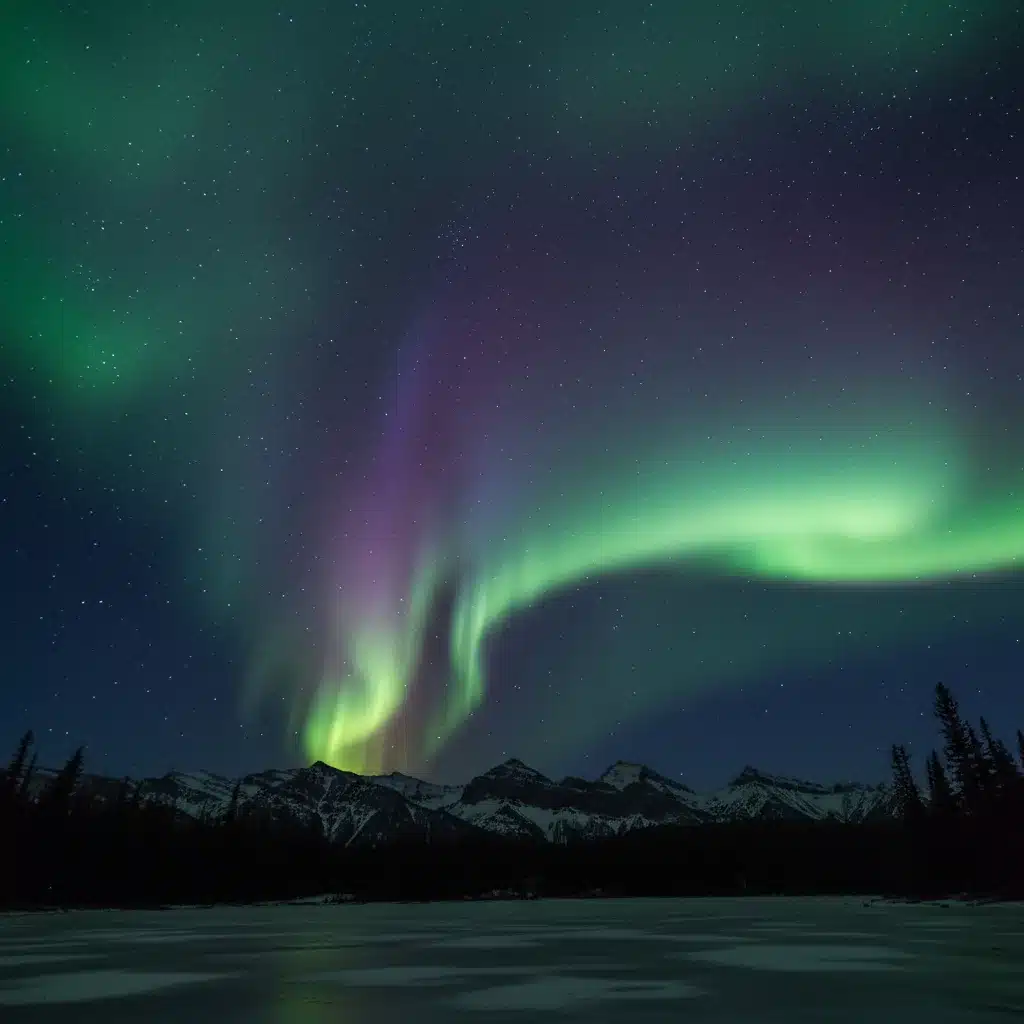
One of the most visually stunning and widely appreciated effects of increased solar activity is the aurora borealis (Northern Lights) and aurora australis (Southern Lights). Geomagnetic storms, triggered by Earth-directed CMEs, cause charged particles from the sun to interact with Earth’s magnetic field and atmosphere. This interaction excites gases in the upper atmosphere, causing them to emit light, creating the breathtaking colorful displays we know as auroras.
During the Solar Cycle 25 Peaks, we can expect more frequent and intense aurora displays, visible from wider geographical areas than usual. While typically seen in polar regions, strong geomagnetic storms can push aurora visibility much further south (or north in the Southern Hemisphere), offering a rare spectacle for many. This is a primary benefit for aurora chasers and astrophotographers.
Disruption to Satellite Communications and GPS
Our modern world is heavily reliant on satellite technology for communication, navigation (GPS), weather forecasting, and more. The energetic particles and radiation associated with solar flares, CMEs, and SPEs can interfere with these satellites in several ways. Increased radiation can damage satellite electronics, leading to malfunctions or even complete failure. Geomagnetic storms can also cause satellites to experience increased drag, altering their orbits and requiring costly adjustments.
Furthermore, the ionosphere, a layer of Earth’s upper atmosphere, is significantly affected by solar activity. Changes in the ionosphere can disrupt radio signals that pass through it, including those used by GPS systems. This can lead to reduced accuracy or complete outages for navigation and timing services, impacting various industries from aviation to agriculture.
Power Grid Vulnerabilities
One of the most significant concerns during periods of intense geomagnetic storms is their potential impact on terrestrial power grids. Rapid changes in Earth’s magnetic field, induced by CMEs, can create geomagnetically induced currents (GICs) in long conductors, such as power lines. These GICs can overload transformers, leading to widespread power outages. Historical events, such as the 1989 Quebec blackout, serve as stark reminders of this vulnerability.
While power companies have implemented measures to mitigate these risks, a particularly strong geomagnetic storm during the Solar Cycle 25 Peaks could still pose a challenge. Preparedness involves monitoring space weather forecasts, implementing protective measures on transformers, and having contingency plans for potential disruptions.
Radio Communication Disturbances
High-frequency (HF) radio communications, used by aviation, maritime, and amateur radio operators, are particularly susceptible to solar activity. Solar flares can cause sudden ionospheric disturbances (SIDs), leading to radio blackouts, especially on the sunlit side of Earth. SPEs can also disrupt HF communications, particularly in polar regions, due to increased ionization in the ionosphere.
These disruptions can impact critical communications for aircraft flying over polar routes, emergency services, and military operations. Understanding the timing of solar events allows for rerouting flights or switching to alternative communication methods to minimize impact.
Increased Radiation Exposure
During strong solar flares and SPEs, the flux of high-energy particles reaching Earth’s upper atmosphere increases. While Earth’s magnetic field and atmosphere provide significant protection at ground level, there are implications for those at higher altitudes. Astronauts on the International Space Station are at increased risk, and mission planners must consider solar forecasts for extravehicular activities.
For commercial aviation, passengers and crew on high-altitude, trans-polar flights can experience a slight increase in radiation exposure. While generally within safe limits, long-term exposure for frequently flying crew members is a consideration. Space weather forecasting helps airlines manage these risks by adjusting flight paths or altitudes when necessary.
Preparing for Solar Cycle 25 Peaks: What Can We Do?
While we cannot prevent solar activity, we can certainly prepare for its effects. International collaborations and scientific advancements have significantly improved our ability to forecast space weather. Organizations like NOAA’s Space Weather Prediction Center (SWPC) provide crucial alerts and warnings, allowing industries and individuals to take proactive measures.
- Monitor Space Weather Forecasts: Stay informed about solar activity through reputable space weather agencies. This is particularly important for industries reliant on satellite technology, power grids, and aviation.
- Power Grid Enhancements: Utilities continue to invest in hardening their infrastructure against geomagnetically induced currents, including installing neutral blocking devices and improving monitoring systems.
- Satellite Protection: Satellite operators can put satellites into ‘safe mode’ during anticipated geomagnetic storms, shutting down non-essential systems to protect sensitive electronics.
- Aviation Adjustments: Airlines can reroute flights or adjust altitudes to avoid regions with high radiation or communication disruptions during SPEs.
- Enjoy the Aurora: For the general public, the Solar Cycle 25 Peaks offer an exceptional opportunity to witness the beauty of the aurora. Keep an eye on aurora forecasts and head to dark skies for the best viewing experience.
The Scientific Outlook and Future Research
The revised predictions for Solar Cycle 25, suggesting a more active cycle than initially thought, highlight the ongoing challenges and advancements in solar physics. Scientists continue to refine their models, incorporating new data from solar observatories like NASA’s Solar Dynamics Observatory (SDO) and Parker Solar Probe, and the European Space Agency’s Solar Orbiter.
Future research aims to improve the accuracy of solar cycle predictions, better understand the mechanisms behind powerful flares and CMEs, and develop more effective mitigation strategies for space weather impacts. The sun remains an object of intense scientific study, and each solar cycle, including the Solar Cycle 25 Peaks, provides invaluable data for advancing our knowledge.
Conclusion: A Dynamic Star and Its Earthly Dance
As we head into 2026, the anticipated Solar Cycle 25 Peaks promise a period of heightened solar activity, bringing with it both awe-inspiring natural phenomena and potential challenges for our technologically advanced society. From the increased frequency of sunspots and powerful solar flares to the enhanced likelihood of Earth-directed CMEs, the sun will be putting on a spectacular, and at times impactful, show.
The beautiful aurora displays will be a treat for many, while industries reliant on space-based technology and power grids will need to remain vigilant. By understanding the science behind solar cycles and staying informed about space weather forecasts, we can better appreciate the dynamic nature of our star and mitigate the potential risks. Solar Cycle 25 in 2026 is set to be a fascinating chapter in our ongoing relationship with the sun, reminding us of its profound and enduring influence on our planet.