Meditation for Beginners: Your 10-Day Jumpstart to Inner Calm in 2026
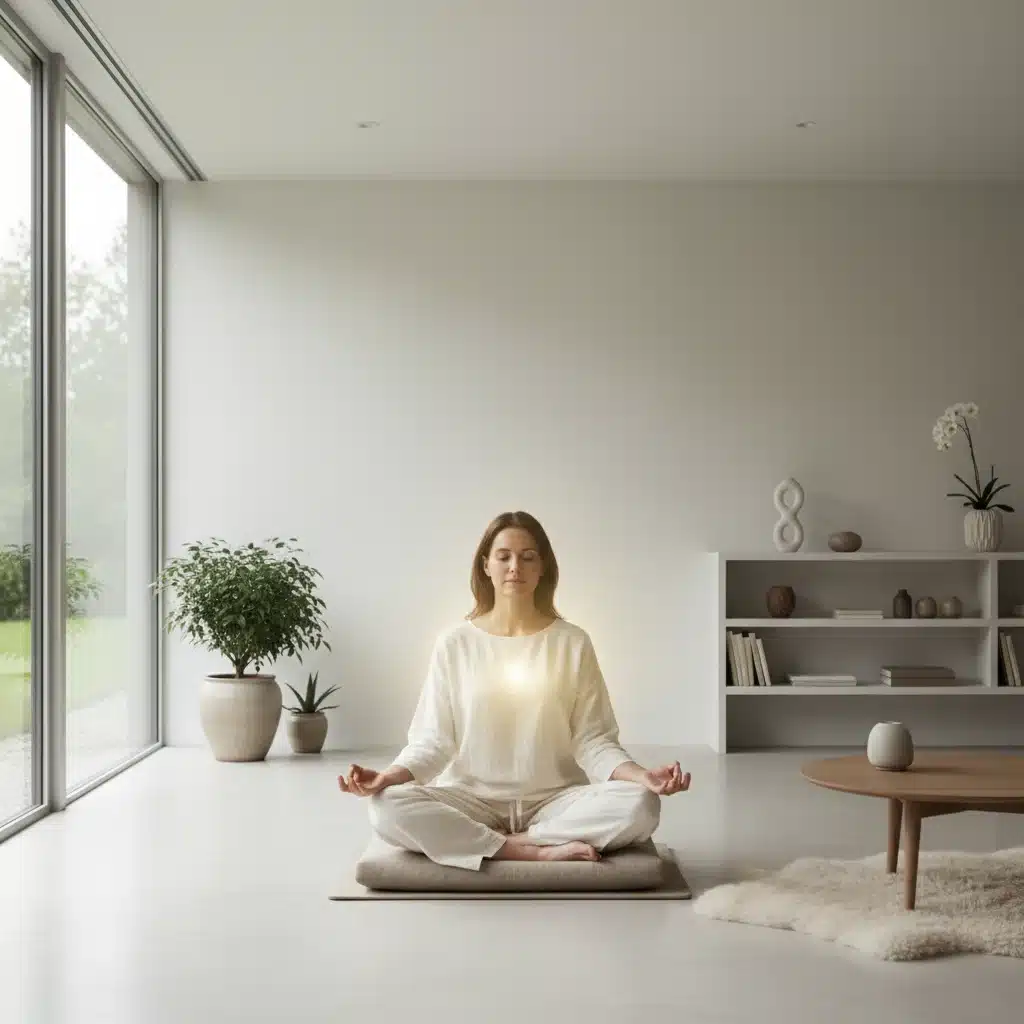
Meditation for Beginners: Your 10-Day Jumpstart to Inner Calm in 2026
Are you feeling overwhelmed by the relentless pace of modern life? Do you crave a sanctuary of peace amidst the daily chaos? If so, you’re not alone. In an increasingly demanding world, finding moments of tranquility and cultivating inner calm has become more crucial than ever. This is where meditation for beginners comes into play. For many, the idea of meditation seems daunting, an elusive practice reserved for gurus or those with endless free time. But what if we told you that starting a meditation practice could be simple, accessible, and profoundly transformative, especially in 2026?
This comprehensive guide is designed to be your trusted companion on a 10-day journey into the world of mindfulness and meditation. We’ll demystify the practice, break down complex concepts into actionable steps, and provide you with a structured plan to help you cultivate a powerful daily habit. By the end of these ten days, you won’t just have an understanding of meditation; you’ll have experienced its tangible benefits firsthand and established a foundation for lasting inner peace.
The year 2026 presents a unique opportunity for introspection and growth. As technology advances and our lives become more interconnected, the need to disconnect and recharge our internal batteries grows exponentially. Learning meditation for beginners now can equip you with invaluable tools to navigate future challenges with grace and resilience. So, take a deep breath, settle in, and prepare to embark on a journey that promises to unlock a deeper sense of calm, clarity, and well-being.
Why Meditation Matters: The Science Behind Inner Calm
Before we dive into the practical aspects of our 10-day jumpstart, let’s explore why meditation is not just a trend but a scientifically validated practice with profound benefits. The ancient practice of meditation, once shrouded in mysticism, is now a subject of rigorous scientific inquiry. Neuroscientists, psychologists, and medical researchers are consistently uncovering how mindfulness and meditation profoundly impact our brains and bodies, leading to a cascade of positive outcomes.
Reduces Stress and Anxiety
Perhaps the most well-known benefit of meditation is its ability to mitigate stress and anxiety. Studies have shown that regular meditation can decrease levels of the stress hormone cortisol. It also helps to calm the amygdala, the brain’s ‘fear center,’ while strengthening connections to the prefrontal cortex, which is responsible for executive functions like decision-making and emotional regulation. For anyone looking to reduce the daily grind’s impact, meditation for beginners offers a powerful, non-pharmacological pathway to a calmer state.
Improves Emotional Regulation
Through meditation, we learn to observe our thoughts and emotions without judgment. This practice creates a space between stimulus and response, allowing us to react more thoughtfully rather than impulsively. Over time, this leads to greater emotional resilience and a more balanced disposition. Imagine facing a challenging situation at work or a personal conflict with a newfound sense of equanimity – this is the power of a consistent meditation practice.
Enhances Focus and Attention
Our modern lives are a constant barrage of distractions. Meditation acts like a mental workout for our attention muscles. By repeatedly bringing our focus back to a chosen anchor (like the breath), we train our minds to stay present and less susceptible to wandering. This improved focus isn’t confined to your meditation cushion; it translates into better concentration at work, deeper engagement in conversations, and a richer experience of life.
Boosts Self-Awareness
Meditation is a journey inward. It encourages us to become intimately familiar with our internal landscape – our thoughts, feelings, and bodily sensations. This heightened self-awareness is crucial for personal growth, enabling us to understand our patterns, motivations, and ultimately, make choices that align more closely with our values. This is a core component of effective meditation for beginners – learning to truly see and understand yourself.
Promotes Better Sleep
Many individuals struggle with sleep due to racing thoughts and an overactive mind. Meditation helps to quiet the mental chatter, making it easier to fall asleep and experience more restorative rest. By calming the nervous system, meditation prepares both mind and body for a peaceful night’s sleep, a vital element for overall well-being.
Fosters Compassion and Kindness
Certain meditation practices, such as loving-kindness meditation, actively cultivate feelings of compassion towards oneself and others. This not only enhances our relationships but also contributes to a greater sense of interconnectedness and overall happiness. Starting with meditation for beginners can open the door to a more empathetic and compassionate way of living.
These are just a few of the compelling reasons to embrace meditation. The beauty of this practice is that its benefits accumulate over time, much like building physical strength. Even a few minutes a day can make a significant difference. Let’s now prepare for our 10-day journey.
Getting Started: Essential Tips for Meditation for Beginners
Embarking on any new journey requires preparation. While meditation is remarkably simple at its core, a few foundational tips can make your initial experiences much smoother and more enjoyable. These guidelines are particularly helpful for those just starting out with meditation for beginners.
1. Find Your Sanctuary
Your meditation space doesn’t need to be elaborate. It can be a quiet corner of your bedroom, a spot on your balcony, or even a designated chair in your living room. The key is to choose a place where you feel safe, comfortable, and undisturbed. Minimize distractions – turn off your phone, close unnecessary tabs on your computer, and let family members know you need a few minutes of quiet time. Consistency in location can also help train your mind to associate that space with calm.
2. Choose Your Posture Wisely
Comfort is paramount, but so is alertness. You can sit on a cushion on the floor, on a chair with your feet flat on the ground, or even lie down if necessary (though this can sometimes lead to falling asleep!). The important thing is to maintain a straight but relaxed spine. Your head should be balanced over your shoulders, and your hands can rest gently on your lap or knees. The goal is to be stable and comfortable enough that your body doesn’t become a distraction, yet upright enough to stay awake and aware.
3. Start Small, Stay Consistent
Don’t aim for an hour-long session on day one. For meditation for beginners, even 3-5 minutes is a fantastic start. The goal is consistency, not duration. Daily practice, even if brief, builds momentum and makes it easier to establish a habit. Gradually, as you feel more comfortable, you can extend your meditation time.
4. Embrace the Breath as Your Anchor
The breath is your most reliable tool in meditation. It’s always with you, always in the present moment, and a natural focus point. We’ll explore various breathing techniques, but for now, simply observe your natural breath. Feel the sensation of air entering and leaving your body, perhaps at your nostrils, chest, or abdomen. When your mind wanders (and it will!), gently bring your attention back to your breath.
5. Expect Your Mind to Wander (It’s Normal!)
One of the biggest misconceptions about meditation is that you need to clear your mind of all thoughts. This is an impossible and frustrating goal. Your mind is designed to think! The practice isn’t about stopping thoughts but about changing your relationship with them. When you notice your mind has wandered, simply acknowledge it without judgment, and gently redirect your attention back to your chosen anchor. This act of returning is the core of the practice and where the real training happens.
6. Be Patient and Kind to Yourself
Meditation is a skill, and like any skill, it takes time and practice to develop. There will be days when it feels easy and days when it feels challenging. Don’t get discouraged by perceived failures or judge your progress. Every moment you sit down to meditate is a success. Approach your practice with curiosity, patience, and self-compassion. Remember, there’s no ‘right’ way to meditate, only your way.

Your 10-Day Jumpstart: A Daily Guide to Meditation for Beginners
This structured 10-day plan will introduce you to fundamental meditation techniques, gradually building your confidence and practice. Remember, each day builds upon the last, but don’t feel pressured to be perfect. The key is consistent effort and self-compassion. For each day, aim for 5-10 minutes of dedicated practice.
Day 1: The Breath as Your Anchor
- Focus: Simple Breath Awareness.
- Practice: Sit comfortably. Close your eyes gently or soften your gaze. Bring your attention to your breath. Notice the sensation of the air entering and leaving your body. Don’t try to change your breath, just observe it as it is. When your mind wanders, gently guide it back to the breath.
- Reflection: How did it feel to simply observe your breath? Were there moments of stillness?
Day 2: Body Scan for Relaxation
- Focus: Connecting with bodily sensations.
- Practice: Begin with breath awareness. Then, slowly bring your attention to different parts of your body, starting from your toes and moving up to your head. Notice any sensations – tingling, warmth, tension, relaxation – without judgment. If you find tension, simply acknowledge it.
- Reflection: Did you discover any areas of tension you weren’t aware of? How did focusing on your body feel?
Day 3: Sounds and the Present Moment
- Focus: Expanding awareness to external stimuli.
- Practice: Start with breath awareness. Then, open your attention to the sounds around you. Listen to distant sounds, close sounds, loud sounds, quiet sounds. Don’t label them or judge them, just observe them as they arise and fade.
- Reflection: How did sounds impact your experience? Did you notice sounds you usually filter out?
Day 4: Thoughts as Clouds
- Focus: Observing thoughts without attachment.
- Practice: After breath awareness, notice your thoughts. Imagine your thoughts are like clouds drifting across the sky. You see them, but you don’t grab onto them or follow them. They simply appear and then pass. Return to your breath when you get caught up in a thought.
- Reflection: Was it challenging to observe thoughts without engaging them? What did you learn about your thought patterns?
Day 5: Loving-Kindness (Metta) Meditation
- Focus: Cultivating compassion.
- Practice: Begin with breath awareness. Then, silently repeat phrases of loving-kindness, first to yourself: "May I be happy. May I be healthy. May I be safe. May I live with ease." Feel the warmth of these wishes.
- Reflection: How did it feel to direct kindness towards yourself?
Day 6: Extending Loving-Kindness
- Focus: Expanding compassion to others.
- Practice: Repeat the loving-kindness phrases for yourself, then extend them to a loved one: "May you be happy. May you be healthy. May you be safe. May you live with ease." Then, to a neutral person (acquaintance), and finally to all beings.
- Reflection: Was it easier or harder to extend kindness to others?
Day 7: Mindful Movement (Gentle Stretching)
- Focus: Bringing mindfulness to physical activity.
- Practice: Instead of sitting, engage in 5-10 minutes of gentle stretching or a slow walk. Pay close attention to the sensations in your body with each movement. Notice the stretch, the release, the rhythm of your steps.
- Reflection: How did mindful movement differ from your usual exercise? Did you feel more connected to your body?
Day 8: Gratitude Practice
- Focus: Cultivating appreciation.
- Practice: After a few minutes of breath awareness, bring to mind three things you are genuinely grateful for. They can be small or large. Dwell on the feeling of gratitude for each one.
- Reflection: How did focusing on gratitude shift your mood or perspective?
Day 9: Dealing with Discomfort
- Focus: Non-reactive observation of challenging sensations.
- Practice: Sit and observe your breath. If you encounter any physical discomfort or emotional unease, gently bring your attention to it. Observe its qualities – is it dull, sharp, throbbing? Where is it located? How does it change? Don’t try to fix it, just observe it with curiosity.
- Reflection: Was it difficult to sit with discomfort? What did you learn about your typical reaction to it?
Day 10: Integrating Mindfulness into Daily Life
- Focus: Extending mindfulness beyond formal practice.
- Practice: Today, try to bring mindfulness to at least three routine activities: eating a meal, washing dishes, or walking. Pay full attention to the sensory details of each experience. Notice the tastes, smells, textures, and sounds.
- Reflection: How did this shift your experience of these routine tasks? What was the most surprising discovery?

Overcoming Common Challenges in Meditation for Beginners
As you progress through your 10-day journey, it’s natural to encounter hurdles. Knowing what to expect and how to navigate these common challenges can prevent discouragement and keep your practice on track. When practicing meditation for beginners, remember that these are universal experiences, not signs of failure.
"My Mind Won’t Stop Thinking!"
This is by far the most frequent complaint. As mentioned, the goal isn’t to stop thinking. Your mind is a thought-generating machine. The practice is to observe thoughts without getting carried away by them. Each time you notice your mind has wandered, gently bring it back to your anchor (usually the breath). This act of returning is the ‘bicep curl’ for your attention muscle. Don’t judge yourself; simply acknowledge and redirect. This is the essence of mindfulness.
"I Can’t Sit Still."
Restlessness, both physical and mental, is common. For physical restlessness, check your posture. Are you comfortable? Can you make a small adjustment that allows for greater stillness? If the urge to move is strong, you can mindfully scratch an itch or shift your position, paying full attention to the sensation and the movement itself, then gently return to your anchor. For mental restlessness, treat it like any other thought – observe it without judgment and return to your breath.
"I’m Not Feeling Anything/It’s Boring."
Meditation isn’t always about profound insights or blissful states. Often, it’s quite ordinary. Some days will feel dull, others frustrating. This is all part of the experience. The practice is not about chasing specific feelings but about being present with whatever arises. Even boredom or lack of sensation can be observed mindfully. Trust that the benefits are accumulating even when you don’t feel them immediately.
"I Keep Falling Asleep."
If you’re consistently nodding off, it might be a sign you’re truly tired, or your posture isn’t conducive to alertness. Try meditating earlier in the day, ensure you’re well-rested, or adjust your posture to be more upright. You can also try opening your eyes slightly or focusing on a point a few feet in front of you. A quick splash of cold water before sitting can also help.
"I Don’t Have Enough Time."
We often prioritize what we deem important. If you truly believe in the benefits of meditation, you can find 5-10 minutes. Think about activities you could trim – a few minutes less on social media, hitting snooze once less. Remember, consistency trumps duration, especially for meditation for beginners. Even 3 minutes daily is more effective than an hour once a week.
"I’m Doing It Wrong."
There’s no ‘wrong’ way to meditate, only different approaches. The fact that you’re showing up and paying attention is already a success. Release the need for perfection. Every time you notice your mind has strayed and you gently bring it back, you are doing it right. The process itself is the practice, not the outcome.
"It’s Too Difficult/I’m Too Stressed to Meditate."
Paradoxically, these are often the times when meditation is most needed. If you’re feeling overwhelmed, try shorter sessions. Even 1-2 minutes of focused breathing can offer a micro-reset. You don’t have to tackle your biggest stressors directly in meditation; simply creating a small space of awareness can begin to shift your state.
Remember, these challenges are part of the learning curve. Each time you encounter one and gently return to your practice, you are building resilience and strengthening your mindful muscle. Embrace them as opportunities for growth, not obstacles.
Beyond 10 Days: Sustaining Your Meditation Practice in 2026 and Beyond
Congratulations on completing your 10-day jumpstart into meditation for beginners! You’ve laid a fantastic foundation for a practice that can bring profound peace and clarity into your life. But the journey doesn’t end here; in fact, it’s just beginning. To truly reap the long-term benefits, consistency and adaptation are key. Here’s how you can sustain and deepen your practice in 2026 and for years to come:
1. Make it a Non-Negotiable Habit
Just like brushing your teeth or sleeping, try to integrate meditation into your daily routine. Choose a specific time that works best for you – first thing in the morning, during your lunch break, or before bed. Consistency is more important than duration. Even 5-10 minutes daily is incredibly powerful.
2. Explore Different Techniques
While our 10-day guide introduced several foundational practices, the world of meditation is vast. You might find yourself drawn to specific styles like Vipassana (insight meditation), Transcendental Meditation, or specialized guided meditations focusing on gratitude, compassion, or stress reduction. Experiment to find what resonates most with you.
3. Utilize Guided Meditations
Many apps and online resources offer guided meditations, which can be incredibly helpful for maintaining focus and exploring new themes. Popular apps include Headspace, Calm, Insight Timer, and Ten Percent Happier. These can provide structure and support, especially when you feel your practice might be stagnating.
4. Join a Community
Finding a local meditation group or an online community can offer encouragement, accountability, and a sense of shared purpose. Discussing your experiences with others can provide new perspectives and deepen your understanding of the practice. This is particularly beneficial for those continuing their journey in meditation for beginners.
5. Gradually Increase Duration
As you become more comfortable, you might naturally feel inclined to sit for longer periods. If 5 minutes feels easy, try 10. If 10 feels good, aim for 15 or 20. Listen to your body and mind, and extend your sessions organically, without forcing it.
6. Integrate Mindfulness into Daily Life
Formal meditation sessions are like training for a marathon, but true mindfulness is about bringing that awareness into every moment of your day. Practice mindful eating, mindful walking, mindful listening, and mindful communication. These ‘micro-meditations’ can transform mundane tasks into opportunities for presence and peace.
7. Be Patient with Plateaus and Setbacks
There will be days, weeks, or even months when your practice feels stagnant, or you struggle to maintain consistency. This is normal. Don’t let a missed day turn into a missed week. Simply acknowledge the setback without judgment and gently return to your practice. Every time you recommit, you strengthen your resolve.
8. Keep a Journal
After your meditation sessions, take a few minutes to jot down any notable observations, feelings, or insights. A meditation journal can help you track your progress, identify patterns, and deepen your understanding of your internal landscape.
9. Read and Learn More
There’s a wealth of literature on mindfulness and meditation. Reading books, articles, or listening to podcasts from experienced teachers can provide inspiration, clarity, and new techniques to explore. Understanding the philosophy behind the practice can also deepen your commitment.
10. Revisit the Basics
Even seasoned meditators benefit from returning to foundational practices. If you ever feel overwhelmed or lost, come back to simple breath awareness. It’s the bedrock of almost all meditation techniques and a reliable way to re-center yourself.
Your journey with meditation for beginners is a personal one, filled with continuous learning and growth. In 2026, as the world continues to evolve, your consistent practice will be an anchor, providing you with resilience, clarity, and a profound sense of inner calm. Embrace it, nurture it, and watch how it transforms not just your moments of stillness, but every aspect of your life.
Conclusion: Your Path to Lasting Inner Calm in 2026
You’ve now completed a transformative 10-day jumpstart into the world of meditation for beginners. From understanding the scientific underpinnings of mindfulness to navigating common challenges and establishing a consistent practice, you’ve taken significant steps towards cultivating a more peaceful and present life. This guide has equipped you with the foundational knowledge and practical tools to embark on a journey that promises not just fleeting moments of calm, but a sustained sense of well-being.
Remember that meditation is not a quick fix, but a lifelong practice. Like tending a garden, it requires consistent care, patience, and a willingness to observe what arises. The seeds of inner calm, focus, and self-awareness you’ve planted over these ten days will continue to grow and flourish with ongoing dedication. In the dynamic landscape of 2026, having a robust meditation practice will be an invaluable asset, allowing you to meet life’s challenges with greater equanimity and joy.
Embrace the power of your breath, observe your thoughts with gentle curiosity, and extend kindness to yourself and others. The path to inner calm is always accessible, residing within you. Keep practicing, keep exploring, and keep trusting in the profound wisdom that meditation unlocks. Your journey towards a more mindful, balanced, and serene existence has truly just begun. We wish you immense peace and clarity on your continued path.