The Science of Silence: Unlocking Brain Health with 20-Minute Daily Meditation

In an increasingly chaotic world, the quest for inner peace and optimal cognitive function has never been more pressing. While countless remedies and techniques vie for our attention, one ancient practice continues to gain profound scientific validation: meditation. Specifically, the consistent practice of just 20 minutes of daily meditation is emerging as a powerful tool for enhancing brain health, with research in 2026 continuing to uncover its remarkable benefits. This article delves deep into the science behind this transformative practice, exploring how such a seemingly simple routine can profoundly impact our neurological landscape and overall well-being.
The concept of ‘daily meditation benefits’ extends far beyond mere relaxation. It’s about actively shaping the brain, improving its resilience, and optimizing its performance. As we navigate the complexities of modern life, our brains are constantly bombarded with information, demands, and stressors. This relentless assault can lead to cognitive fatigue, increased anxiety, and even structural changes in the brain that are detrimental to long-term health. However, a dedicated 20-minute daily meditation practice offers a potent antidote, fostering a state of calm focus that reverberates through our neural pathways.
The Neuroscientific Basis of Daily Meditation Benefits
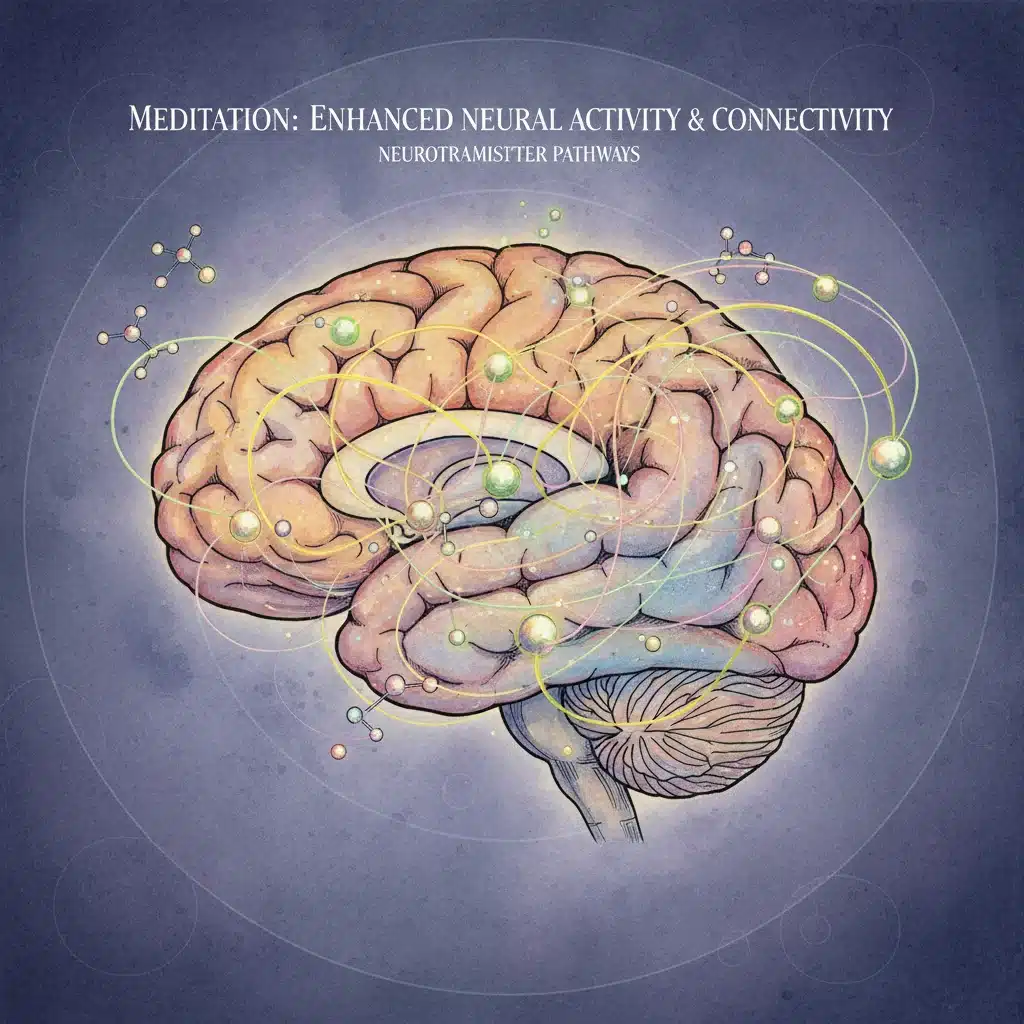
To truly appreciate the power of daily meditation benefits, we must look at what happens inside the brain. Decades of research, increasingly sophisticated with advancements in neuroimaging techniques, have revealed that meditation is not just a mental exercise; it’s a profound neurobiological intervention. Regular meditation practice leads to measurable changes in brain structure and function, impacting areas crucial for emotion regulation, attention, self-awareness, and memory.
Grey Matter Changes: A Thicker Cortex
One of the most compelling findings is the impact on grey matter density. Studies have consistently shown that meditators, especially those with long-term practices, exhibit increased grey matter in specific brain regions. For instance, the prefrontal cortex, responsible for executive functions like planning, decision-making, and working memory, often shows increased thickness. This area is also vital for regulating attention and inhibiting impulsive behaviors. Similarly, the hippocampus, a brain structure critical for learning and memory, has also been observed to have increased grey matter volume in meditators. These structural changes suggest a more robust and efficient brain, better equipped to handle cognitive demands and emotional challenges.
Amygdala Shrinkage: Reducing the ‘Fight or Flight’ Response
Conversely, research has indicated that regular meditation can lead to a decrease in the volume of the amygdala, the brain’s primary fear center. The amygdala plays a crucial role in processing emotions, particularly fear and anxiety, and triggering the ‘fight or flight’ response. A smaller, less reactive amygdala suggests a reduced physiological and psychological response to stress, allowing individuals to remain calmer and more composed in challenging situations. This reduction in amygdala activity is a cornerstone of the stress-reducing daily meditation benefits.
Enhanced Connectivity: A More Integrated Brain
Beyond structural changes, meditation also influences the functional connectivity between different brain regions. The default mode network (DMN), a network of brain regions active when our minds are wandering or unfocused, shows altered connectivity in meditators. Specifically, there’s often a decoupling between the DMN and areas involved in self-referential thought, leading to less mind-wandering and a greater ability to stay present. Furthermore, meditation can strengthen connections between the prefrontal cortex and the amygdala, enabling better emotional regulation and a more thoughtful response to stressors rather than an automatic, reactive one.
Brain Wave Patterns: Shifting into Alpha and Theta States
Electroencephalography (EEG) studies have shown that meditation can induce specific brain wave patterns. Experienced meditators often exhibit increased alpha and theta wave activity during their practice. Alpha waves are associated with a relaxed, wakeful state, while theta waves are linked to deep relaxation, creativity, and access to subconscious processes. These shifts in brain wave activity contribute to the profound sense of calm and clarity that many meditators experience, further solidifying the daily meditation benefits for mental well-being.
20 Minutes: The Optimal Dose for Brain Transformation
The question often arises: how much meditation is enough to reap significant benefits? While any amount of mindfulness practice is better than none, emerging research, particularly in 2026, increasingly points towards a consistent 20-minute daily meditation session as a highly effective duration for inducing measurable brain changes and experiencing substantial daily meditation benefits. This duration appears to strike a balance, being long enough to allow the mind to settle and enter deeper states of awareness, yet short enough to be sustainable for most people’s daily routines.
Within a 20-minute window, individuals can typically move past the initial mental chatter and restlessness that often characterizes the beginning of a meditation session. This allows for a deeper engagement with the practice, fostering greater self-awareness and emotional regulation. Over time, these consistent 20-minute doses accumulate, leading to the neuroplastic changes discussed earlier, strengthening neural pathways associated with attention, compassion, and emotional stability.
A Glimpse into 2026: Personalized Meditation and AI
Looking ahead to 2026, the understanding of optimal meditation duration and techniques is becoming even more refined. Advancements in wearable technology and AI are enabling personalized meditation programs that adapt to an individual’s unique brainwave patterns and stress levels. Imagine an app that suggests a specific meditation style or duration based on real-time biometric data, optimizing the daily meditation benefits for each user. This future promises even more targeted and effective meditation practices.
Key Daily Meditation Benefits for Brain Health
Let’s break down the specific ways 20 minutes of daily meditation can positively impact your brain health:
1. Stress Reduction and Resilience
One of the most immediate and well-documented daily meditation benefits is its ability to reduce stress. By activating the parasympathetic nervous system (the ‘rest and digest’ system) and reducing the activity of the sympathetic nervous system (the ‘fight or flight’ system), meditation helps to lower cortisol levels, the primary stress hormone. This not only alleviates immediate feelings of stress but also builds long-term resilience, making individuals less reactive to future stressors.
2. Enhanced Attention and Focus
In a world of constant distractions, the ability to maintain focus is a valuable commodity. Meditation trains the brain to sustain attention and to gently redirect it when it wanders. This practice strengthens the neural networks involved in attention control, leading to improved concentration, better task performance, and reduced mental fatigue. This translates into tangible improvements in daily life, from work productivity to simply being more present in conversations.
3. Improved Emotional Regulation
Meditation cultivates a sense of emotional distance, allowing individuals to observe their thoughts and feelings without being overwhelmed by them. This meta-awareness is crucial for emotional regulation. Instead of reacting impulsively to anger, sadness, or anxiety, meditators learn to acknowledge these emotions, understand their transient nature, and choose a more skillful response. This refined emotional intelligence is a significant aspect of the daily meditation benefits.
4. Boosted Memory and Learning
As mentioned earlier, meditation can increase grey matter in the hippocampus, a region vital for memory formation and learning. Furthermore, by reducing stress and improving focus, meditation creates an optimal environment for cognitive function, making it easier to absorb new information and retain it. This can be particularly beneficial for students, professionals, and anyone looking to maintain sharp cognitive abilities as they age.
5. Increased Self-Awareness and Compassion
Through mindfulness, meditators gain a deeper understanding of their inner landscape – their thoughts, emotions, and bodily sensations. This heightened self-awareness is foundational for personal growth and allows for a more authentic connection with oneself. Moreover, many meditation practices emphasize cultivating compassion and loving-kindness, which not only benefits others but also fosters feelings of warmth and connection within the meditator, reducing feelings of isolation and promoting overall well-being.
6. Better Sleep Quality
Chronic stress and an overactive mind are common culprits behind poor sleep. By calming the nervous system and reducing mental chatter, daily meditation can significantly improve sleep quality. Regular meditators often report falling asleep more easily, experiencing deeper sleep, and waking up feeling more refreshed. This restorative sleep, in turn, has a cascading positive effect on overall brain health and cognitive function.
Integrating 20 Minutes of Daily Meditation into Your Life
The idea of a daily practice can seem daunting, but incorporating 20 minutes of meditation into your routine is more achievable than you might think. The key is consistency, not perfection.
Finding Your Time and Space
Identify a time of day when you can consistently commit 20 minutes without major interruptions. Many find mornings ideal, setting a positive tone for the day. Others prefer evenings to unwind before sleep. Find a quiet space where you won’t be disturbed, even if it’s just a corner of a room. The environment doesn’t need to be elaborate; just peaceful.
Choosing Your Meditation Style
There are numerous meditation styles, and finding one that resonates with you is crucial. Some popular options include:
- Mindfulness Meditation: Focusing on the breath, bodily sensations, and observing thoughts without judgment.
- Loving-Kindness (Metta) Meditation: Cultivating feelings of warmth, compassion, and kindness towards oneself and others.
- Transcendental Meditation (TM): A mantra-based technique often taught by certified instructors.
- Body Scan Meditation: Bringing awareness to different parts of the body, noticing sensations without judgment.
Experiment with different styles or use guided meditations (available through apps and online platforms) to get started. The goal is to find a practice that helps you settle and focus.
Overcoming Challenges and Staying Consistent
It’s normal for the mind to wander during meditation. Don’t get discouraged. The practice isn’t about stopping thoughts but about noticing them and gently bringing your attention back to your anchor (e.g., your breath). Be patient and kind to yourself. Consistency is more important than the ‘quality’ of any single session. Treat your 20 minutes of daily meditation benefits as a non-negotiable appointment with yourself.
The Future of Daily Meditation and Brain Health in 2026 and Beyond
As we advance into 2026 and beyond, the integration of meditation into mainstream health and wellness is set to accelerate. The scientific community will continue to unravel the intricate mechanisms by which meditation influences brain health, potentially leading to even more targeted and effective practices. We can anticipate:
- Enhanced Personalization: AI and machine learning will play a significant role in creating highly personalized meditation programs based on individual neurophysiological profiles.
- Clinical Integration: Meditation will likely become a more standard component of treatment plans for a wider range of conditions, including chronic pain, depression, anxiety, and even neurodegenerative diseases.
- Workplace Wellness: More companies will recognize the daily meditation benefits for employee well-being, productivity, and stress reduction, incorporating mindfulness breaks and training into corporate culture.
- Educational Curricula: Mindfulness and meditation practices may become a more common feature in educational settings, teaching children and young adults essential self-regulation and emotional intelligence skills from an early age.
- Advanced Neurofeedback: Real-time neurofeedback mechanisms, perhaps integrated into everyday devices, could provide instant feedback during meditation, helping individuals optimize their practice for specific brain states.
The convergence of ancient wisdom and cutting-edge technology promises an exciting future where the profound daily meditation benefits are accessible and optimized for everyone.

Conclusion: Embrace the Power of 20 Minutes
The evidence is clear: dedicating just 20 minutes to daily meditation can be a game-changer for your brain health and overall well-being. From altering brain structure to enhancing cognitive functions, reducing stress, and fostering emotional resilience, the daily meditation benefits are extensive and scientifically validated. It’s a powerful, accessible, and free tool that empowers you to take control of your mental landscape.
In a world that constantly pulls us in a million directions, the act of sitting in silence for 20 minutes each day is not a luxury; it’s a necessity. It’s an investment in your cognitive longevity, your emotional stability, and your capacity for joy and presence. As we look towards 2026, the scientific understanding of meditation will only deepen, further cementing its role as a cornerstone of holistic health. So, why wait? Start your 20-minute daily meditation practice today and unlock the remarkable potential within your own mind.
The journey to a healthier, more resilient brain begins with a single breath, a single moment of awareness. Make those 20 minutes count, and watch as your brain, and your life, transform.