Mindful Movement: Integrating Meditation with Gentle Exercise for 2026 Wellness
In a world that constantly demands our attention and energy, finding moments of peace and connection with ourselves has become more crucial than ever. As we look towards 2026, the concept of wellness continues to evolve, moving beyond mere physical health to encompass mental, emotional, and spiritual well-being. A groundbreaking approach gaining significant traction is Mindful Movement Wellness – the intentional integration of meditation with gentle exercise. This holistic practice offers a powerful pathway to profound well-being, fostering a deeper connection between mind and body, reducing stress, and enhancing overall quality of life.
Historically, exercise and meditation have often been treated as separate disciplines. Exercise was for the body, and meditation was for the mind. However, ancient traditions and contemporary scientific research increasingly highlight their synergistic relationship. When combined, they create a potent force for healing, growth, and sustained well-being. This article delves into the transformative power of Mindful Movement Wellness, exploring its benefits, practical applications, and how you can seamlessly integrate it into your daily life for a healthier, more balanced 2026.
The Essence of Mindful Movement: Beyond Physicality
What exactly is mindful movement? It’s more than just performing physical exercises; it’s about engaging in physical activity with a heightened sense of awareness and presence. It involves paying close attention to the sensations in your body, your breath, and the present moment without judgment. Unlike traditional exercise, which often focuses on outcomes like calorie burning or muscle gain, mindful movement emphasizes the process itself. It’s about how you move, how you feel, and how your mind responds to those sensations.
This approach transforms exercise from a chore into a meditative practice. Whether it’s yoga, Tai Chi, Qigong, walking, or even simple stretching, the key is to bring a meditative quality to your physical actions. This means:
- Paying Attention to Breath: Your breath is your anchor to the present moment. Coordinating movement with breath deepens the meditative aspect of the exercise.
- Sensing Your Body: Noticing the subtle shifts, stretches, and strengths within your body as you move.
- Non-Judgmental Observation: Acknowledging any discomfort or challenge without labeling it as good or bad, simply observing.
- Cultivating Presence: Keeping your mind focused on the activity at hand, rather than letting it wander to past regrets or future anxieties.
The beauty of Mindful Movement Wellness lies in its accessibility. You don’t need to be an expert yogi or a seasoned meditator to start. It’s about beginning where you are and gradually cultivating a deeper connection with your body and mind. This practice offers a gentle yet profound way to nurture your entire being, setting a strong foundation for holistic wellness in 2026.
The Symbiotic Relationship: Meditation and Gentle Exercise
The integration of meditation and gentle exercise forms the core of Mindful Movement Wellness. Each component amplifies the benefits of the other, creating a synergistic effect that promotes comprehensive well-being. Let’s explore how these two practices intertwine:
Meditation: Anchoring the Mind
Meditation, at its heart, is the practice of training attention and awareness to achieve a mentally clear and emotionally calm and stable state. Regular meditation practice has been scientifically proven to:
- Reduce stress and anxiety.
- Improve emotional regulation.
- Enhance self-awareness.
- Increase focus and concentration.
- Promote feelings of peace and contentment.
When you bring a meditative mindset to physical activity, you transform a potentially mundane routine into an opportunity for profound self-discovery and inner peace. It’s about being fully present in each stretch, each step, each breath.
Gentle Exercise: Nourishing the Body
Gentle exercise, such as yoga, Tai Chi, walking, swimming, or stretching, is characterized by its low impact and emphasis on fluidity, balance, and flexibility. Unlike high-intensity workouts that can sometimes lead to burnout or injury, gentle exercise is sustainable and restorative. Its benefits include:
- Improved flexibility and range of motion.
- Enhanced balance and coordination.
- Strengthened muscles and bones without excessive strain.
- Better cardiovascular health.
- Reduced chronic pain.
- Increased energy levels.
When combined with meditation, these physical benefits are amplified by a deeper awareness of the body’s capabilities and limitations, leading to more intentional and injury-preventative movement. The focus shifts from pushing limits to honoring the body’s wisdom.
Together, meditation and gentle exercise create a powerful feedback loop. Meditation prepares the mind for focused movement, while mindful movement deepens the meditative state. This integrated approach to Mindful Movement Wellness is not just a trend; it’s a sustainable lifestyle choice for enduring health and happiness in 2026 and beyond.
Benefits of Embracing Mindful Movement Wellness for 2026
The advantages of adopting a Mindful Movement Wellness practice are extensive and impact every facet of your being. As we navigate the complexities of modern life, these benefits become invaluable tools for resilience and thriving.
1. Stress Reduction and Mental Clarity
One of the most immediate and profound benefits is the significant reduction in stress and anxiety. By focusing on the present moment and synchronizing breath with movement, you disrupt the cycle of overthinking and worry. This practice calms the nervous system, lowers cortisol levels, and promotes a sense of inner peace. The mental clarity gained through mindful movement allows for better decision-making, increased creativity, and an overall more positive outlook on life.
2. Enhanced Physical Health and Body Awareness
Gentle exercises improve flexibility, strength, balance, and cardiovascular health without putting undue strain on the body. More importantly, mindful movement cultivates a deep awareness of your physical self. You learn to listen to your body’s signals, recognizing tension, discomfort, or areas that need attention. This heightened awareness can prevent injuries, improve posture, and foster a more intuitive relationship with your physical form. It transforms how you perceive and interact with your body, shifting from a focus on external appearance to internal well-being.
3. Improved Emotional Regulation
The practice of observing sensations and thoughts without judgment, a cornerstone of both meditation and mindful movement, extends to emotional experiences. By regularly engaging in Mindful Movement Wellness, you develop a greater capacity to recognize and process emotions, rather than being overwhelmed by them. This leads to improved emotional regulation, allowing you to respond to challenging situations with greater calm and composure.
4. Deeper Mind-Body Connection
In our fast-paced world, it’s easy to feel disconnected from our bodies. Mindful movement acts as a bridge, reconnecting the mind and body. This integration fosters a sense of wholeness and congruence, where thoughts, feelings, and physical sensations are experienced as interconnected parts of a unified self. This deeper connection is fundamental for holistic wellness, providing a stable foundation for all other aspects of health.
5. Increased Energy and Vitality
While some might associate gentle exercise with low energy, the opposite is often true. Mindful movement practices, especially those like Tai Chi and Qigong, are known for cultivating and circulating vital energy (Qi). By reducing stress, improving sleep, and enhancing bodily functions, Mindful Movement Wellness can significantly boost your overall energy levels and vitality, leaving you feeling refreshed and invigorated rather than drained.
6. Greater Resilience and Adaptability
Regular practice builds mental and physical resilience. The ability to stay present and calm amidst physical exertion or mental distractions translates into a greater capacity to handle life’s challenges. You become more adaptable, less reactive, and better equipped to navigate the inevitable ups and downs with grace and strength. This resilience is a cornerstone for sustained well-being in an ever-changing world.
Embracing Mindful Movement Wellness in 2026 is not just about adopting a new routine; it’s about cultivating a profound shift in how you approach your health and well-being. It’s an investment in a more peaceful, present, and powerful you.
Practical Approaches to Integrating Mindful Movement into Your Life
Ready to embark on your Mindful Movement Wellness journey? Here are several practical ways to integrate meditation with gentle exercise, suitable for various lifestyles and preferences.
1. Mindful Walking
One of the simplest and most accessible forms of mindful movement. Instead of walking with your mind preoccupied, focus on the sensations of walking: the feel of your feet on the ground, the swing of your arms, the rhythm of your breath. Notice the sights, sounds, and smells around you without getting caught up in them. Let each step be a moment of presence. Start with 10-15 minutes daily and gradually increase. This can be done anywhere – in a park, on a street, or even indoors.
2. Yoga and Pilates
Both yoga and Pilates inherently combine physical postures with breath awareness and mental focus, making them excellent choices for Mindful Movement Wellness. Yoga, with its diverse styles (Hatha, Vinyasa, Restorative), offers something for everyone, emphasizing flexibility, strength, and spiritual connection. Pilates focuses on core strength, control, and precision. Seek out classes that emphasize mindful alignment and breathwork, or explore online resources for guided practices.
3. Tai Chi and Qigong
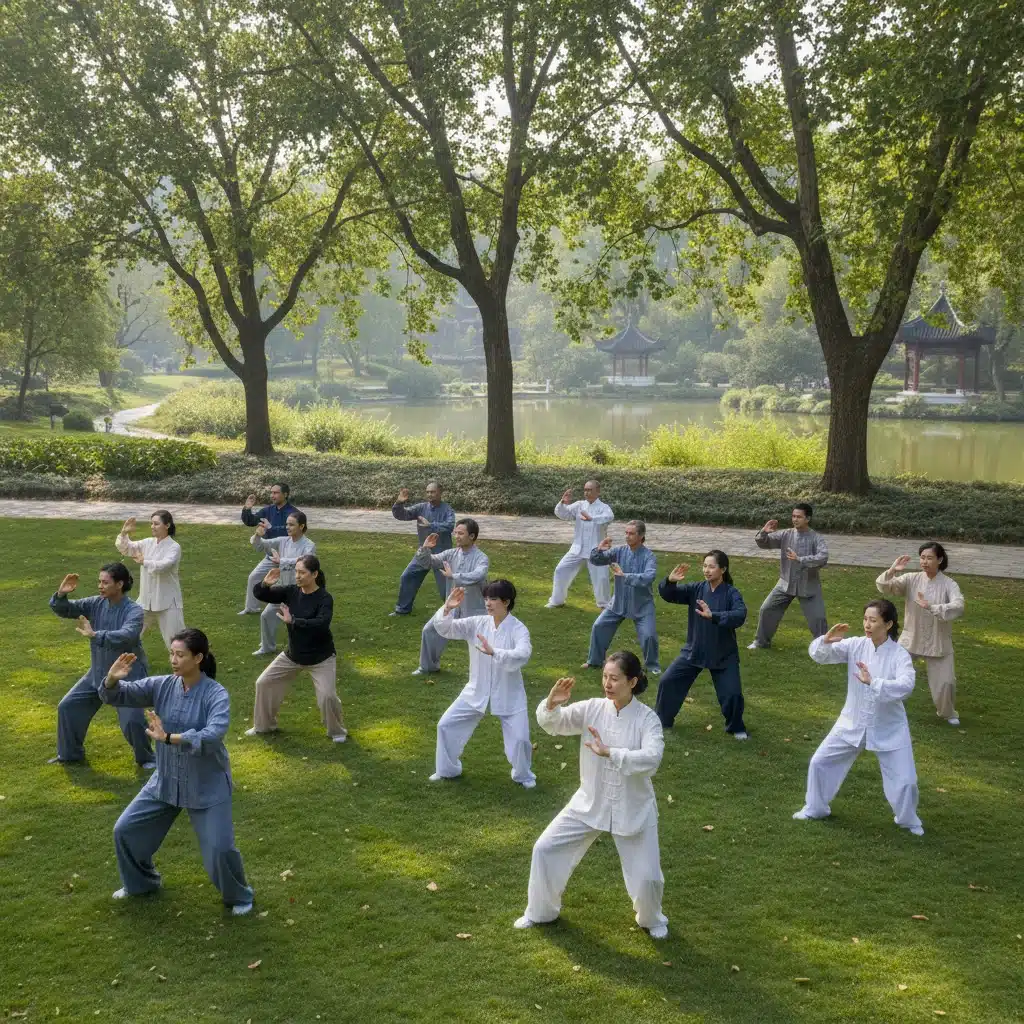
These ancient Chinese practices are often described as ‘meditation in motion.’ They involve slow, flowing movements, deep breathing, and focused intention, cultivating balance, flexibility, and internal energy. Tai Chi and Qigong are particularly beneficial for stress reduction, improving balance, and enhancing overall vitality. Many community centers and wellness studios offer classes, or you can find instructional videos online.
4. Conscious Stretching and Mobility Work
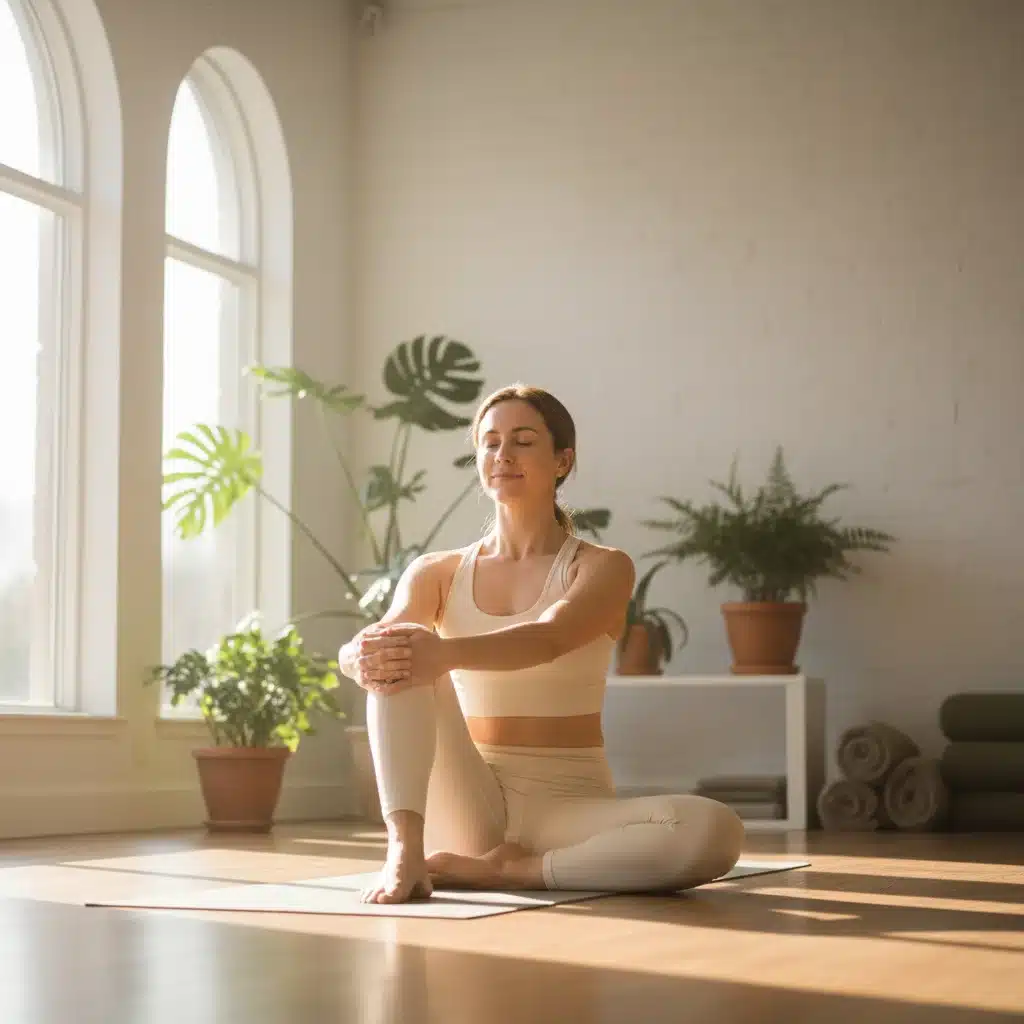
Even simple stretching can become a mindful practice. Instead of rushing through stretches, hold each one, paying attention to the sensations in your muscles, the subtle release of tension, and your breath. Incorporate mobility exercises that improve joint health and range of motion, moving slowly and deliberately. This is a great way to start or end your day, or to take mindful breaks during long periods of sitting.
5. Integrating Mindfulness into Daily Activities
Mindful Movement Wellness doesn’t have to be confined to dedicated practice sessions. You can bring mindfulness to everyday movements: walking up and down stairs, gardening, cleaning, or even reaching for objects. The key is to perform these actions with intention and full awareness, transforming ordinary chores into opportunities for presence.
Setting Up Your Mindful Movement Practice for 2026
To successfully integrate Mindful Movement Wellness into your routine for 2026, consider these tips:
Start Small and Be Consistent
Don’t feel pressured to commit to long sessions immediately. Begin with 5-10 minutes of mindful movement daily and gradually increase the duration as you feel comfortable. Consistency is more important than intensity or duration in the beginning. Even short, regular practices yield significant benefits over time.
Find What Resonates With You
There’s no one-size-fits-all approach. Experiment with different forms of mindful movement – yoga, Tai Chi, mindful walking, conscious stretching – until you find what genuinely resonates with your body and mind. The practice you enjoy is the one you’ll stick with.
Create a Dedicated Space (If Possible)
Having a quiet, clutter-free space, even a small corner, can help set the mood for your practice. Ensure good ventilation and comfortable temperature. While not essential, a dedicated space signals to your mind that it’s time to focus and be present.
Utilize Guided Resources
Especially for beginners, guided meditations and mindful movement classes (online or in-person) can be incredibly helpful. They provide structure, instruction, and encouragement, helping you learn the techniques and stay motivated. Many apps and websites offer free or subscription-based guided sessions tailored to various practices.
Listen to Your Body
The essence of mindful movement is honoring your body’s wisdom. Pay attention to how you feel, and adjust your practice accordingly. If you’re tired, opt for a more restorative practice. If you feel energetic, you might explore more dynamic movements. Avoid pushing through pain; instead, explore its sensation with curiosity and gentleness.
Connect with a Community
Joining a class or a group can provide motivation, support, and a sense of belonging. Sharing experiences with others on a similar path can deepen your commitment and understanding of Mindful Movement Wellness.
Be Patient and Compassionate
Mindful movement is a practice, not a performance. There will be days when your mind wanders, or your body feels stiff. Approach these moments with patience and self-compassion. Every practice is an opportunity to learn and grow, regardless of how it feels.
The Future of Wellness: A Holistic Perspective
As we move into 2026, the global conversation around wellness is shifting dramatically. The fragmented approach to health, where physical, mental, and emotional aspects are treated in isolation, is giving way to a more integrated, holistic paradigm. Mindful Movement Wellness stands at the forefront of this evolution, offering a practical and profound way to achieve comprehensive well-being.
This isn’t just about feeling good; it’s about building resilience, fostering self-awareness, and cultivating a sustainable lifestyle that supports optimal health in the long term. In an increasingly complex and demanding world, the ability to find inner calm and strength through practices like mindful movement will be not just beneficial, but essential.
The beauty of this approach is its universality. It transcends age, fitness levels, and cultural backgrounds. Whether you are a busy professional, a parent, a student, or retired, the principles of mindful movement can be adapted to fit your unique circumstances and needs. It’s about finding moments of presence and intentionality in your daily life, transforming routine into ritual, and physical activity into a profound act of self-care.
The scientific community continues to uncover new evidence supporting the benefits of mind-body practices. From neuroplasticity and improved cognitive function to enhanced immune response and better sleep quality, the impact of Mindful Movement Wellness is far-reaching. This growing body of research further validates what ancient traditions have known for centuries: true wellness emerges from the harmonious integration of mind, body, and spirit.
Conclusion: Your Journey to Mindful Movement Wellness in 2026
The year 2026 offers a fresh opportunity to redefine your relationship with wellness. By embracing Mindful Movement Wellness, you choose a path that honors your entire being, fostering not just physical health but also mental clarity, emotional balance, and spiritual growth. It’s a commitment to living more consciously, more peacefully, and more powerfully.
Start today, even with just a few minutes of mindful breathing before a walk, or a conscious stretch before bed. Allow yourself the grace to explore, to learn, and to grow. The journey of mindful movement is a continuous one, rich with discovery and profound benefits. As you integrate meditation with gentle exercise, you will unlock a deeper sense of self, cultivate lasting well-being, and navigate the year 2026 with greater equanimity and joy.
Let Mindful Movement Wellness be your guide to a more intentional, integrated, and truly healthy life. Your mind and body will thank you.