Cultivating Resilience: Advanced Meditation Practices for U.S. Challenges in 2026
Cultivating Resilience: Advanced Meditation Practices for U.S. Challenges in 2026
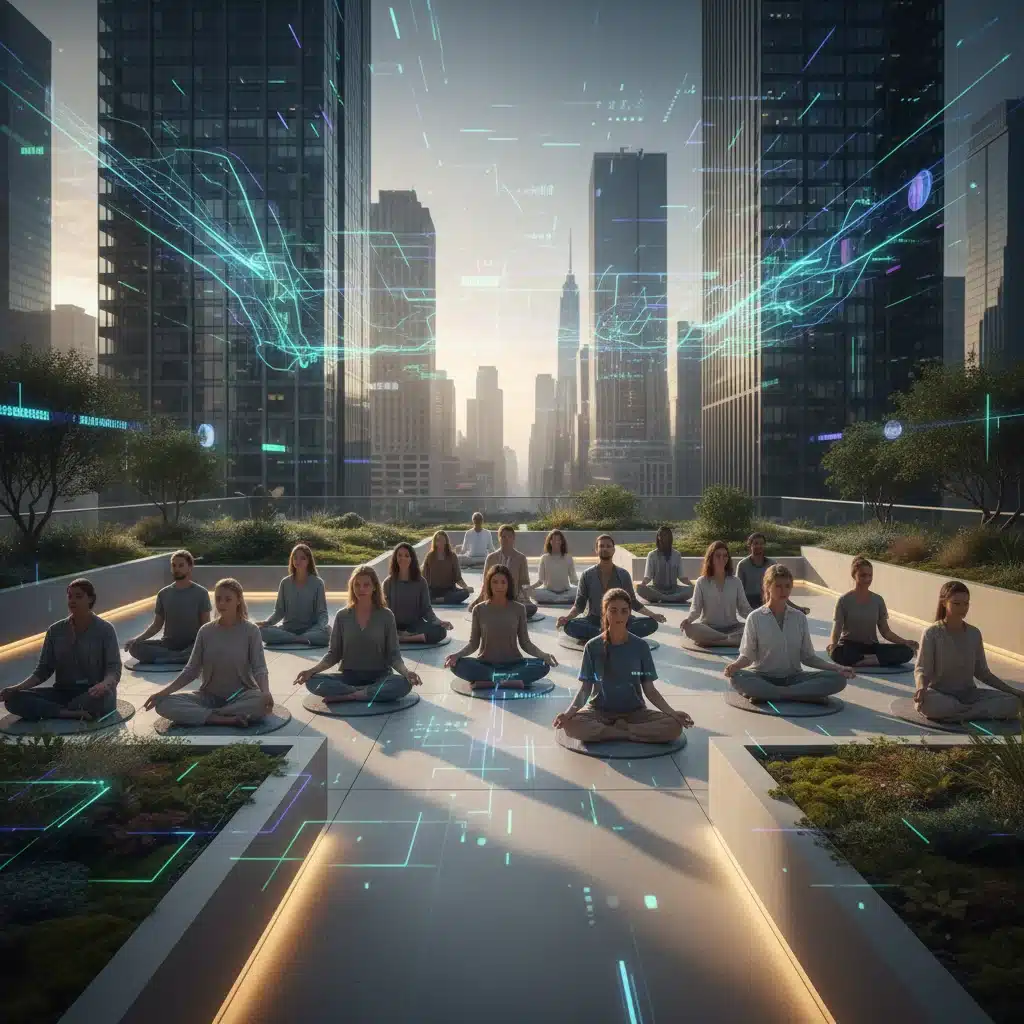
In the rapidly evolving landscape of 2026, individuals across the United States are grappling with a complex tapestry of challenges. From the relentless pace of technological advancement and its impact on mental well-being to socio-economic shifts and environmental concerns, the need for robust coping mechanisms has never been more critical. Amidst this intricate web of modern stressors, advanced meditation practices emerge not merely as a trend but as an essential toolkit for cultivating resilience, fostering inner peace, and enhancing overall mental and emotional health. This comprehensive guide delves into how sophisticated meditation techniques can specifically address the unique pressures faced by Americans today, offering pathways to navigate uncertainty with grace and strength.
Understanding the 2026 Landscape: Why Advanced Meditation is Crucial
The year 2026 presents a unique set of circumstances that amplify the importance of mental fortitude. The digital revolution, while offering unparalleled connectivity, has also ushered in an era of constant stimulation, information overload, and comparison culture. This digital deluge often leads to increased anxiety, diminished attention spans, and a pervasive sense of inadequacy. Economically, shifts in the job market, automation, and global competition contribute to job insecurity and financial stress. Socially, polarization and rapid cultural changes can create feelings of disconnection and unease. Environmentally, the growing awareness of climate change and its implications can evoke eco-anxiety and a sense of helplessness. These multifaceted challenges collectively demand more than just basic stress reduction; they call for a deeper, more integrated approach to mental and emotional well-being, which advanced meditation practices are uniquely positioned to provide.
Traditional mindfulness, while foundational, often serves as an entry point. Advanced meditation, however, moves beyond basic breath awareness to encompass nuanced techniques that address specific cognitive patterns, emotional regulation, and spiritual development. These practices are designed to not only alleviate symptoms but to cultivate profound inner resources, enabling individuals to thrive even amidst external turbulence. By engaging with advanced meditation, Americans can develop a sophisticated internal compass, guiding them through the complexities of modern life with clarity and purpose.
The Foundations of Advanced Meditation for Modern Challenges
Before diving into specific advanced techniques, it’s vital to acknowledge the foundational principles that underpin all effective meditation. These include:
- Mindfulness: The practice of bringing one’s attention to the present moment, experiencing thoughts, feelings, and bodily sensations without judgment. This is the bedrock upon which all advanced practices are built.
- Concentration (Samatha): The ability to sustain attention on a single object or sensation, developing mental stability and focus. This forms the prerequisite for deeper states of awareness.
- Insight (Vipassana): Gaining profound understanding into the nature of reality, self, and suffering through direct experience. Advanced practices deepen this insight, leading to transformative shifts in perspective.
For the U.S. context in 2026, these foundations are particularly vital. Mindfulness helps cut through the digital noise, concentration sharpens focus amidst distractions, and insight provides perspective on complex societal issues. The progression from basic to advanced meditation involves a deepening of these core capacities, allowing for more subtle and profound engagement with one’s inner and outer worlds.
Advanced Meditation Practices for Specific U.S. Challenges in 2026
1. Navigating Digital Overload and Attention Fragmentation: Metta and Jhana Meditation
The constant bombardment of information and notifications has severely fragmented our attention. This leads to reduced productivity, increased stress, and a diminished capacity for deep work or meaningful connection. Advanced practices like Metta (Loving-Kindness) meditation and Jhana (Absorption) meditation offer powerful antidotes.
Metta Meditation for Digital Disconnection:
While often introduced as a beginner practice, advanced Metta involves extending loving-kindness to increasingly challenging groups and situations, including those encountered in online interactions. In 2026, online discourse can be particularly polarizing. Advanced Metta cultivates a deep sense of compassion, reducing reactivity to negative online stimuli and fostering a more empathetic digital presence. It helps to counteract the dehumanizing effects of screen-based interactions, reminding practitioners of shared humanity even with those holding opposing views. This practice can significantly reduce feelings of isolation and hostility often exacerbated by social media.
Jhana Meditation for Deep Focus:
Jhana meditation involves achieving states of profound absorption and sustained concentration. Unlike basic concentration practices, Jhanas are characterized by intense joy, equanimity, and a complete cessation of discursive thought. Cultivating Jhanic states directly addresses attention fragmentation by training the mind to remain effortlessly focused for extended periods. This translates into enhanced productivity, improved problem-solving skills, and a greater capacity for deep, uninterrupted engagement with tasks, relationships, and self-reflection. For those battling constant digital distractions, Jhana practice offers a powerful pathway to reclaim mental clarity and sustained attention.
2. Alleviating Economic Anxiety and Uncertainty: Self-Inquiry and Non-Dual Awareness
Economic volatility, job market shifts, and financial pressures are significant sources of stress. These concerns often manifest as chronic worry, fear of the future, and a sense of personal inadequacy. Advanced meditation techniques like Self-Inquiry and Non-Dual Awareness provide frameworks for understanding the transient nature of external circumstances and cultivating an unshakeable inner stability.
Self-Inquiry (Ramana Maharshi’s Approach) for Personal Identity:
Self-Inquiry centers on the question, "Who am I?" rather than identifying with fluctuating external roles or financial status. By continually investigating the nature of the ‘self’ that experiences economic anxiety, practitioners begin to disentangle their core identity from external conditions. This practice helps to reveal that true self-worth is not dependent on job titles, bank accounts, or material possessions. In a society that often equates success with economic achievement, Self-Inquiry offers a profound liberation from the fear of economic downturns, fostering a deep sense of intrinsic value and resilience.
Non-Dual Awareness for Interconnectedness:
Non-Dual Awareness, often found in Advaita Vedanta and Dzogchen traditions, goes beyond the perceived separation between self and world, subject and object. It cultivates a direct experience of interconnectedness. When facing economic uncertainty, the feeling of being an isolated individual struggling against vast forces can be overwhelming. Non-Dual Awareness helps to dissolve this sense of separation, fostering a recognition that one is an integral part of a larger, supportive whole. This perspective can reduce the feeling of existential threat associated with economic pressures, replacing it with a sense of security rooted in universal connection and inherent belonging.
3. Addressing Social Polarization and Disconnection: Compassion-Based Practices and Tonglen
The social fabric of the U.S. in 2026 is often strained by political divides, cultural clashes, and a general sense of ‘us vs. them.’ This polarization can lead to anger, frustration, and a deep sense of social disconnection. Advanced compassion-based practices and the Tibetan Buddhist practice of Tonglen are powerful tools for healing these rifts.
Advanced Compassion Meditation for Social Harmony:
Building on Metta, advanced compassion meditation extends kindness not just to individuals but to entire groups, even those perceived as ‘the other.’ It involves actively contemplating the suffering of all beings, regardless of their political affiliations, beliefs, or backgrounds. This practice systematically dismantles biases and prejudices, cultivating a profound sense of shared humanity. By intentionally generating compassion for those with whom one disagrees, practitioners can reduce internal hostility and contribute to a more harmonious social environment, even if only through their own internal shift.
Tonglen for Empathic Engagement:
Tonglen is a radical compassion practice where one breathes in the suffering of others and breathes out relief, healing, and well-being. This counter-intuitive practice directly confronts the aversion to suffering, transforming it into a powerful force for compassion. In the context of social polarization, Tonglen allows practitioners to engage with the pain and fear that often drive divisive behaviors, rather than retreating from it. By consciously taking in the negativity associated with societal conflicts and breathing out peace, individuals can cultivate immense inner strength and resilience, becoming agents of healing in a fractured world. This practice can be particularly potent when applied to specific social issues or groups experiencing hardship.
4. Managing Eco-Anxiety and Environmental Concerns: Nature Meditation and Deep Ecology Practices
The increasing awareness of environmental degradation and climate change can lead to eco-anxiety, a chronic fear of environmental doom. This can manifest as feelings of helplessness, grief, and despair. Advanced meditation practices that foster a deeper connection with nature and embody ecological awareness provide a profound sense of rootedness and agency.
Nature Meditation (Forest Bathing & Sensory Awareness) for Grounding:
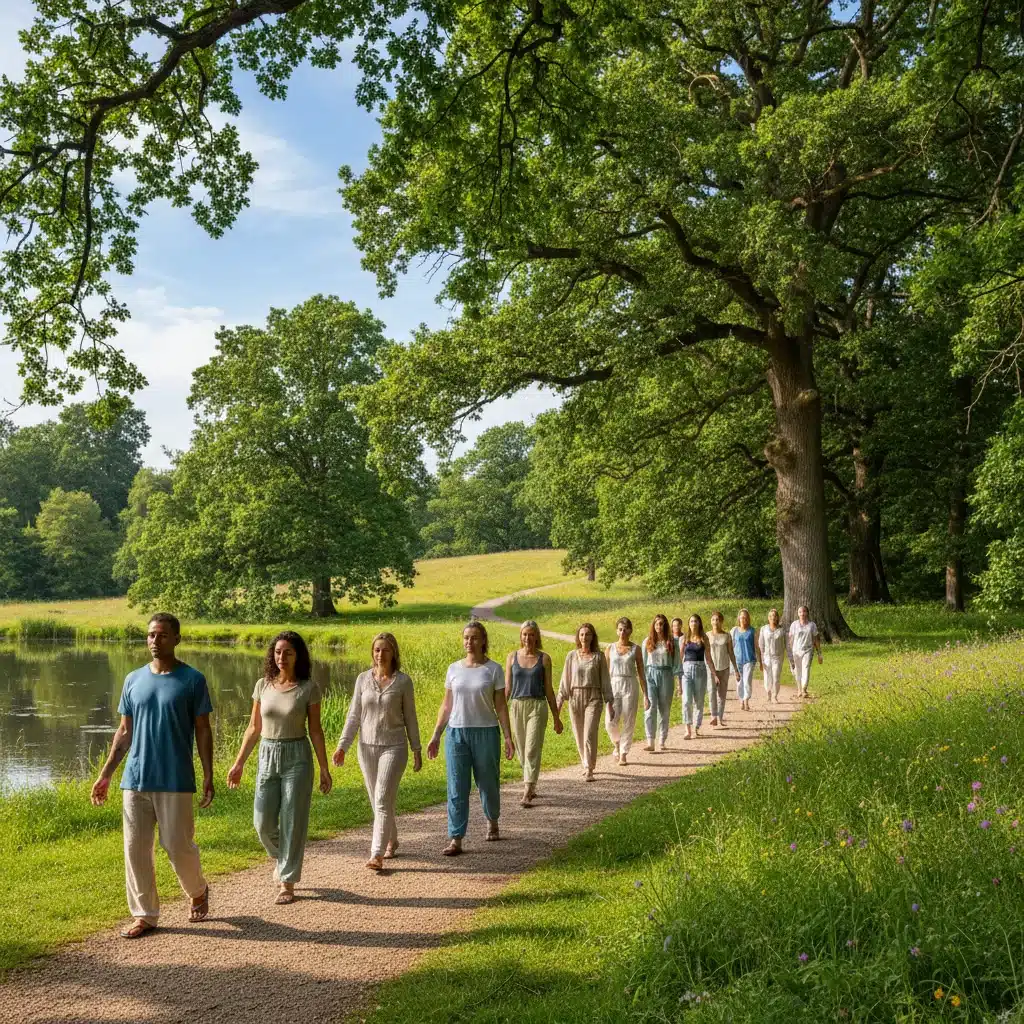
While often viewed as a simple outdoor activity, advanced nature meditation involves a deep, immersive sensory engagement with the natural world beyond mere observation. This includes ‘forest bathing’ (Shinrin-Yoku) but elevates it through specific meditative techniques. Practitioners engage all senses – listening to the subtle sounds of the wind, feeling the texture of bark, smelling the earth, observing intricate patterns in leaves – to dissolve the boundaries between self and nature. This practice fosters a profound sense of connection, reminding us that we are not separate from the environment but an intrinsic part of it. This interconnectedness can alleviate feelings of isolation and helplessness, replacing them with a sense of belonging and responsibility.
Deep Ecology Meditation for Planetary Consciousness:
Deep Ecology meditation, inspired by philosophers like Arne Næss, moves beyond anthropocentric views to recognize the inherent value of all living systems. This practice involves contemplating the vastness and interconnectedness of ecosystems, species, and geological time. It encourages a shift in identity from an individual human to an integral part of the Earth’s living system. By cultivating a ‘planetary consciousness,’ individuals can transcend personal anxieties about environmental issues and find motivation for collective action rooted in a deep love and respect for the planet. This can transform despair into a sense of purpose and agency in environmental stewardship.
Integrating Advanced Practices into Daily Life in 2026
The true power of advanced meditation lies not just in the formal practice but in its integration into daily life. For Americans in 2026, this means:
- Micro-Meditations: Incorporating short, intentional pauses throughout the day to practice breath awareness, gratitude, or a moment of compassionate reflection. This helps to maintain a continuous thread of mindfulness.
- Mindful Technology Use: Applying principles of concentration and awareness to digital interactions, consciously choosing when and how to engage with technology rather than being passively consumed by it. This could involve scheduled digital detoxes or mindful scrolling.
- Ethical Consumption and Action: Allowing insights gained from meditation to inform choices about consumption, work, and community engagement. This might mean supporting ethical businesses, volunteering, or advocating for social and environmental justice.
- Community and Sangha: Finding or creating communities (online or in-person) that support meditative practice and shared values. This provides accountability, inspiration, and a sense of belonging, counteracting feelings of isolation.
- Personalized Practice: Recognizing that no single practice fits everyone. Experimenting with different advanced techniques and adapting them to one’s unique challenges and preferences is key for sustained engagement and benefit.
Overcoming Obstacles to Advanced Practice
Embarking on advanced meditation can present its own set of challenges. These might include:
- Time Commitment: Advanced practices often require more dedicated time. Finding ways to integrate longer sessions (e.g., 30-60 minutes daily) or retreat experiences can be crucial.
- Mental Resistance: The mind may resist deeper introspection or challenging emotional work. Patience, self-compassion, and a non-judgmental attitude are essential.
- Lack of Guidance: Advanced techniques benefit greatly from experienced teachers. Seeking out qualified instructors, joining a meditation center, or participating in guided retreats can provide invaluable support.
- Expectations: Avoiding the trap of expecting immediate, dramatic results. The benefits of advanced meditation are often subtle, cumulative, and profound, unfolding over time.
- Burnout: Pushing too hard can lead to burnout. Listening to one’s body and mind, and balancing intense practice with rest and self-care, is vital.
Addressing these obstacles requires a combination of discipline, flexibility, and a deep commitment to one’s well-being. The journey into advanced meditation is not always linear, but the rewards in terms of resilience and inner peace are immeasurable.
The Future of Resilience: A Meditative America in 2026 and Beyond
As the U.S. navigates the complexities of 2026 and looks ahead, the widespread adoption and integration of advanced meditation practices hold immense potential. Imagine a society where individuals are equipped with the mental and emotional tools to:
- Respond, not React: Engaging with political and social discourse from a place of thoughtful consideration rather than impulsive reaction.
- Innovate with Clarity: Tackling technological and economic challenges with sustained focus, creativity, and ethical awareness.
- Heal Divides: Fostering empathy and understanding across diverse communities, building bridges rather than walls.
- Live Sustainably: Making choices that reflect a deep reverence for the environment and an understanding of our interconnectedness.
This vision is not merely idealistic; it is achievable through the consistent and dedicated application of advanced meditative practices. By investing in our inner landscapes, we empower ourselves to shape a more resilient, compassionate, and wise future for the U.S. and the world.
Conclusion: Your Path to Enhanced Resilience
The challenges facing the U.S. in 2026 are significant, but so too is the human capacity for resilience, adaptation, and growth. Advanced meditation practices offer a powerful, scientifically-backed pathway to cultivate these essential qualities. Whether it’s through the empathetic expansion of Metta, the focused absorption of Jhana, the liberating self-inquiry, the interconnectedness of non-dual awareness, the healing power of Tonglen, or the grounding wisdom of deep ecology, these techniques provide more than just stress relief. They offer a profound transformation of consciousness, enabling individuals to navigate uncertainty with greater peace, clarity, and purpose.
Embracing advanced meditation is an active choice to reclaim agency over one’s inner world, thereby influencing the outer world. It is an invitation to move beyond mere survival and towards flourishing, building a foundation of resilience that can withstand the tests of time and change. As we look towards the horizon of 2026 and beyond, let us consider these ancient yet ever-relevant practices as cornerstones for a healthier, more harmonious, and more resilient America.