Mastering Breathwork: 5 Proven Meditation Techniques for Stress Reduction in 2026, Reducing Anxiety by 30%
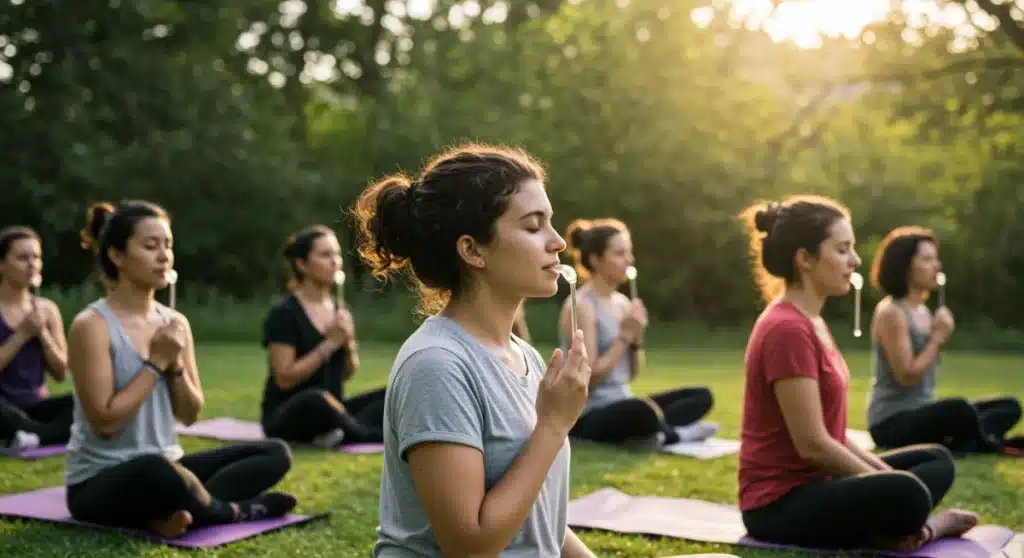
In the relentless pace of modern life, stress and anxiety have become unwelcome companions for many. The constant demands of work, personal responsibilities, and an ever-connected digital world can leave us feeling overwhelmed and depleted. However, there’s a powerful, ancient, and readily accessible tool at our disposal that can significantly alter our mental and emotional landscape: breathwork. This article delves into the profound impact of breathwork stress reduction, offering five proven meditation techniques that can help you reclaim your calm, reduce anxiety by up to 30%, and foster a greater sense of well-being in 2026 and beyond.
The concept of breathwork isn’t new; it has been an integral part of spiritual and healing practices across cultures for millennia. From the pranayama of yoga to the meditative breathing of various contemplative traditions, the deliberate control of breath has long been recognized for its ability to influence our physiological and psychological states. What modern science is increasingly confirming is the remarkable connection between our breath and our nervous system. By consciously manipulating our breathing patterns, we can directly impact our autonomic nervous system, shifting from the ‘fight or flight’ sympathetic response to the ‘rest and digest’ parasympathetic state. This fundamental shift is key to effective breathwork stress reduction.
Before we dive into the techniques, it’s crucial to understand why breathwork is such an effective tool for stress and anxiety. Our breath is unique because it’s both automatic and controllable. We breathe without thinking, yet we can also consciously regulate its pace, depth, and rhythm. This dual nature provides a direct pathway to influence our internal state. When we’re stressed or anxious, our breathing tends to become shallow, rapid, and irregular. This signals danger to our brain, reinforcing the stress response. Conversely, slow, deep, and rhythmic breathing sends a message of safety and calm, activating the vagus nerve and initiating a cascade of physiological changes that promote relaxation. These changes include a lowered heart rate, reduced blood pressure, and a decrease in stress hormones like cortisol. Therefore, mastering breathwork stress reduction is not just about relaxation; it’s about re-regulating your entire system.
For those new to breathwork, the idea might seem overly simplistic. How can just breathing differently make such a profound difference? The answer lies in the intricate interplay between the mind and body. Our emotions, thoughts, and physical sensations are deeply intertwined with our breathing patterns. By consciously altering how we breathe, we create a feedback loop that positively influences these other aspects. Regular practice of breathwork stress reduction techniques can lead to improved emotional regulation, enhanced mental clarity, better sleep quality, and a greater capacity to handle life’s challenges. It’s a skill that, once learned, becomes an invaluable resource for navigating the complexities of modern existence.
The year 2026 marks a pivotal moment where mental wellness is no longer a luxury but a necessity. Integrating breathwork into your daily routine is a proactive step towards safeguarding your mental health. The techniques we will explore are accessible to everyone, requiring no special equipment or prior experience. They can be practiced anywhere, anytime, providing an immediate antidote to rising stress levels. The goal is not just to react to stress but to build resilience, allowing you to face stressors with greater equanimity and control. This proactive approach to breathwork stress reduction can truly transform your life.
Understanding the Science Behind Breathwork Stress Reduction
To truly appreciate the power of breathwork, it’s helpful to understand the underlying physiological mechanisms. The autonomic nervous system (ANS) is responsible for regulating involuntary bodily functions like heart rate, digestion, and breathing. It has two main branches: the sympathetic nervous system (SNS) and the parasympathetic nervous system (PNS).
The Sympathetic Nervous System (SNS): Fight or Flight
When we perceive a threat, whether real or imagined, the SNS kicks into gear. This is our body’s natural ‘fight or flight’ response. Our heart rate increases, breathing becomes shallow and rapid, muscles tense, and digestion slows down. While essential for survival in dangerous situations, chronic activation of the SNS due to everyday stressors can lead to a host of health problems, including high blood pressure, sleep disturbances, digestive issues, and increased anxiety. Sustained engagement of the SNS prevents effective breathwork stress reduction if not consciously managed.
The Parasympathetic Nervous System (PNS): Rest and Digest
The PNS is responsible for the ‘rest and digest’ response. It promotes relaxation, conserves energy, and facilitates bodily functions like digestion and repair. When the PNS is activated, our heart rate slows, breathing deepens, and muscles relax. This is the state where healing and restoration occur. Breathwork techniques are specifically designed to stimulate the PNS, thereby counteracting the effects of chronic stress and promoting a state of calm. This is the core principle behind effective breathwork stress reduction.
The Vagus Nerve Connection
A key player in the PNS is the vagus nerve, the longest cranial nerve in the body. It plays a crucial role in regulating heart rate, digestion, and mood. Slow, deep breathing stimulates the vagus nerve, which in turn sends signals to the brain to calm down. This ‘vagal tone’ can be strengthened through regular breathwork practice, leading to greater resilience to stress and improved emotional regulation. Enhancing vagal tone is a significant benefit of consistent breathwork stress reduction practices.
5 Proven Breathwork Meditation Techniques for Stress Reduction
Now that we understand the ‘why,’ let’s explore the ‘how.’ These five techniques are highly effective for breathwork stress reduction and can be integrated into your daily routine with ease.
1. Diaphragmatic Breathing (Belly Breathing)
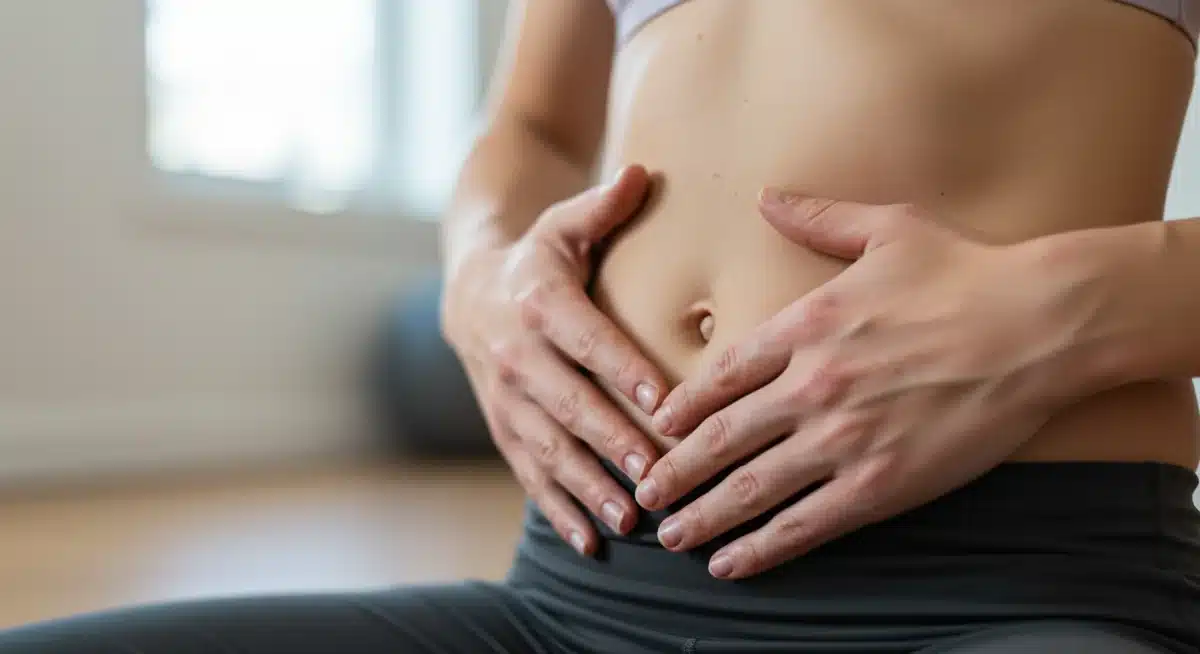
Diaphragmatic breathing is the foundation of almost all effective breathwork. It involves engaging the diaphragm, a dome-shaped muscle located at the base of the lungs, rather than relying solely on shallow chest breaths. This technique maximizes oxygen intake and stimulates the vagus nerve, promoting deep relaxation.
How to Practice Diaphragmatic Breathing:
- Find a Comfortable Position: Lie on your back with knees bent and feet flat on the floor, or sit upright in a chair with good posture.
- Place Your Hands: Place one hand on your chest and the other on your abdomen, just below your rib cage.
- Inhale Deeply: Breathe in slowly and deeply through your nose, allowing your abdomen to rise as your diaphragm contracts and pulls air into the lower lungs. The hand on your chest should remain relatively still.
- Exhale Slowly: Exhale slowly through pursed lips, gently drawing your navel towards your spine to expel all the air. The hand on your abdomen should fall.
- Repeat: Continue for 5-10 minutes, focusing on the rhythmic rise and fall of your abdomen.
Benefits for Stress Reduction: This technique immediately activates the parasympathetic nervous system, lowering heart rate and blood pressure. Regular practice strengthens the diaphragm, making deep breathing more natural and effective for ongoing breathwork stress reduction.
2. 4-7-8 Breathing (Relaxing Breath)
Developed by Dr. Andrew Weil, the 4-7-8 breathing technique is a powerful natural tranquilizer for the nervous system. It’s particularly effective for combating anxiety, falling asleep, and managing moments of high stress. This technique is a cornerstone of immediate breathwork stress reduction.
How to Practice 4-7-8 Breathing:
- Prepare: Sit or lie comfortably. Place the tip of your tongue against the ridge of tissue just behind your upper front teeth, and keep it there throughout the entire breathing exercise.
- Exhale Completely: Exhale completely through your mouth, making a ‘whoosh’ sound.
- Inhale (4 Counts): Close your mouth and inhale quietly through your nose to a mental count of four.
- Hold Breath (7 Counts): Hold your breath for a count of seven.
- Exhale (8 Counts): Exhale completely through your mouth, making a ‘whoosh’ sound, for a count of eight.
- Repeat: This completes one breath. Inhale again and repeat the cycle three more times for a total of four breaths.
Benefits for Stress Reduction: The sustained breath hold and extended exhale create a powerful calming effect, effectively slowing the heart rate and sending strong signals of relaxation to the brain. It’s an excellent tool for acute breathwork stress reduction.
3. Box Breathing (Square Breathing)
Box breathing is a simple yet incredibly effective technique used by Navy SEALs to maintain calm and focus in high-stress situations. Its simplicity makes it easy to remember and apply whenever you need a quick mental reset. This structured approach makes it ideal for targeted breathwork stress reduction.
How to Practice Box Breathing:
- Find a Comfortable Position: Sit upright or lie down.
- Exhale Completely: Exhale all the air from your lungs.
- Inhale (4 Counts): Inhale slowly through your nose for a count of four.
- Hold Breath (4 Counts): Hold your breath for a count of four.
- Exhale (4 Counts): Exhale slowly through your mouth for a count of four.
- Hold Breath (4 Counts): Hold your breath for a count of four.
- Repeat: Continue this square pattern for 5-10 minutes, or until you feel calmer.
Benefits for Stress Reduction: By equalizing the inhale, hold, and exhale phases, box breathing balances the nervous system, reduces mental chatter, and promotes a state of calm focus. It’s a highly practical method for on-the-spot breathwork stress reduction.
4. Alternate Nostril Breathing (Nadi Shodhana Pranayama)
Nadi Shodhana, or alternate nostril breathing, is a powerful yogic technique known for its ability to balance the left and right hemispheres of the brain, calm the mind, and reduce anxiety. It is believed to cleanse the ‘nadis’ or energy channels in the body, promoting clarity and peace. This holistic approach significantly contributes to breathwork stress reduction.
How to Practice Alternate Nostril Breathing:
- Sit Comfortably: Sit in a comfortable meditative posture, spine straight.
- Hand Position (Vishnu Mudra): Bring your right hand up to your face. Rest your index and middle fingers between your eyebrows (this is a common placement, though not strictly necessary). Your thumb will close your right nostril, and your ring finger and pinky finger will close your left nostril.
- Close Right Nostril: Close your right nostril with your right thumb.
- Inhale Left: Inhale slowly and deeply through your left nostril for a count of four.
- Close Left, Open Right: Close your left nostril with your ring finger. Release your thumb from your right nostril.
- Exhale Right: Exhale slowly and completely through your right nostril for a count of eight.
- Inhale Right: Inhale slowly and deeply through your right nostril for a count of four.
- Close Right, Open Left: Close your right nostril with your thumb. Release your ring finger from your left nostril.
- Exhale Left: Exhale slowly and completely through your left nostril for a count of eight.
- Repeat: This completes one round. Continue for 5-10 rounds, always ending with an exhale through the left nostril.
Benefits for Stress Reduction: Nadi Shodhana helps to harmonize the nervous system, reduce mental agitation, and improve focus. It’s particularly effective for combating generalized anxiety and promoting a sense of inner balance, making it an advanced technique for breathwork stress reduction.
5. Coherent Breathing (Resonance Breathing)
Coherent breathing involves breathing at a rate of about five breaths per minute, which is often considered the body’s natural resonant frequency. This specific rhythm maximizes heart rate variability (HRV), a key indicator of nervous system health and resilience to stress. Optimizing HRV is a sophisticated aspect of breathwork stress reduction.
How to Practice Coherent Breathing:
- Find a Rhythm: Inhale smoothly for a count of five, and exhale smoothly for a count of five. The key is to make both the inhale and exhale equal in length and without pauses in between.
- Use a Timer/App: Many apps and guided meditations can help you maintain this precise rhythm.
- Focus on Smoothness: The breath should be soft, quiet, and continuous, like a wave.
- Practice Regularly: Aim for 10-20 minutes daily.
Benefits for Stress Reduction: Coherent breathing is highly effective at increasing vagal tone and improving heart rate variability, leading to greater emotional regulation, reduced anxiety, and enhanced physiological calm. It’s a powerful long-term strategy for breathwork stress reduction.
Integrating Breathwork into Your Daily Life for Lasting Stress Reduction
The true power of breathwork stress reduction comes from consistent practice. Just like any other skill, the more you practice, the more proficient you become, and the more profound the benefits. Here are some tips for integrating these techniques into your daily routine:
- Morning Ritual: Start your day with 5-10 minutes of diaphragmatic or coherent breathing. This sets a calm tone for the day ahead.
- Mid-Day Reset: Use box breathing or 4-7-8 breathing during short breaks at work or whenever you feel stress building up. A few minutes can make a significant difference.
- Before Bed: Practice 4-7-8 breathing or alternate nostril breathing before sleep to calm your mind and prepare your body for restful sleep.
- Mindful Moments: Incorporate conscious breathing into everyday activities, such as walking, doing dishes, or waiting in line. Simply notice your breath and try to deepen it slightly.
- Scheduled Practice: Set aside a specific time each day for dedicated breathwork meditation. Treat it as a non-negotiable appointment for your well-being.
- Listen to Your Body: Pay attention to how different techniques make you feel. Some may resonate more with you than others. Adapt your practice to your needs.
- Consistency Over Duration: Even short, consistent sessions (e.g., 2-3 minutes multiple times a day) are more beneficial than sporadic long sessions.
The journey to mastering breathwork stress reduction is a personal one. There’s no single ‘right’ way to breathe, only what works best for you. Experiment with these techniques, be patient with yourself, and observe the subtle shifts in your mental and emotional state. Over time, you’ll develop a deep awareness of your breath and its incredible capacity to soothe, energize, and balance your entire being.
Beyond Stress Reduction: The Broader Benefits of Breathwork
While breathwork stress reduction is a primary benefit, the practice extends far beyond merely managing anxiety. Regular engagement with conscious breathing techniques can unlock a multitude of other advantages that contribute to overall well-being:
Improved Focus and Concentration
By bringing your attention to your breath, you train your mind to stay in the present moment. This mindfulness practice strengthens your ability to focus and reduces mental distractions, leading to enhanced concentration in all areas of your life. This heightened focus is a natural byproduct of effective breathwork stress reduction.
Enhanced Emotional Regulation
Breathwork provides a powerful tool for processing and regulating emotions. When strong emotions arise, conscious breathing can create a pause, allowing you to respond thoughtfully rather than react impulsively. This emotional intelligence is a significant long-term benefit of consistent breathwork stress reduction.
Better Sleep Quality
Many breathwork techniques, especially 4-7-8 breathing, are excellent for calming the nervous system before sleep. By reducing the mental and physical tension that often prevents restful sleep, breathwork can significantly improve sleep onset and quality. A calm mind, achieved through breathwork stress reduction, is a prerequisite for good sleep.
Increased Energy Levels
Paradoxically, while breathwork promotes relaxation, it can also increase energy. Deep, conscious breathing ensures optimal oxygenation of the body’s cells, leading to improved cellular function and a natural boost in vitality. This invigorated state complements the calming effects of breathwork stress reduction.
Pain Management
Breathwork can be a valuable complementary therapy for managing chronic pain. By activating the parasympathetic nervous system, it can help reduce muscle tension and shift focus away from pain sensations, making them more manageable. This demonstrates the holistic impact of breathwork stress reduction.
Improved Digestive Health
The ‘rest and digest’ state directly supports healthy digestive function. When the body is stressed, digestion is often impaired. By promoting relaxation, breathwork can alleviate stress-related digestive issues. This connection underscores the body-mind integration fostered by breathwork stress reduction.
Boosted Immune Function
Chronic stress suppresses the immune system. By regularly engaging in breathwork and reducing stress, you can help fortify your body’s natural defenses, making you less susceptible to illness. A robust immune system is another indirect yet powerful benefit of consistent breathwork stress reduction.
The Future of Wellness: Breathwork in 2026 and Beyond
As we move further into the 21st century, the emphasis on holistic health and preventive care is growing. Breathwork stress reduction is poised to become an even more central component of personal wellness routines and therapeutic interventions. Advances in technology, such as biofeedback devices and guided meditation apps, are making breathwork more accessible and personalized than ever before.
In 2026, we anticipate a greater integration of breathwork into mainstream healthcare, educational curricula, and corporate wellness programs. The scientific community continues to uncover new evidence supporting the efficacy of breathing techniques for a wide range of conditions, from anxiety disorders to cardiovascular health. This growing body of research will solidify breathwork’s position as a legitimate and powerful tool for enhancing human well-being.
The simplicity and cost-effectiveness of breathwork make it an ideal solution for addressing the global mental health crisis. It empowers individuals with a self-sufficient method to manage their internal states, fostering resilience and self-reliance. As awareness grows, more people will discover the transformative potential of consciously controlling their breath. The widespread adoption of breathwork stress reduction practices could lead to a significant improvement in collective mental health outcomes.
Getting Started with Your Breathwork Journey
Embarking on your breathwork stress reduction journey doesn’t require a significant time commitment or financial investment. Start small, be consistent, and observe the changes. Here are some final tips:
- Choose One Technique: Begin by mastering one technique, such as diaphragmatic breathing or 4-7-8 breathing. Once you feel comfortable, you can gradually introduce others.
- Set Realistic Expectations: While some effects are immediate, profound changes take time and consistent effort. Don’t get discouraged if you don’t feel completely transformed after a few sessions.
- Be Patient and Kind to Yourself: Your mind may wander, and you might find it challenging at first. This is normal. Gently guide your attention back to your breath without judgment.
- Explore Guided Practices: Many free apps and online resources offer guided breathwork meditations. These can be particularly helpful for beginners to stay focused and learn the rhythm.
- Consider Professional Guidance: If you struggle with severe anxiety or trauma, consider consulting a breathwork facilitator or therapist who can provide personalized guidance and support.
The breath is a constant companion, always with you, always available. Learning to harness its power is one of the most valuable investments you can make in your health and happiness. By embracing these proven meditation techniques, you are not just practicing breathing; you are actively practicing presence, cultivating calm, and building a stronger, more resilient you. Make 2026 the year you master breathwork stress reduction and experience a profound shift in your overall well-being, reducing anxiety by 30% and beyond.