Unlock Your Spiritual Potential: A 3-Month Practical Guide

Unlock Your Spiritual Potential: A 3-Month Practical Guide for Americans Seeking Deeper Connections
In the bustling rhythm of modern American life, it’s easy to feel disconnected – from ourselves, from others, and from a deeper sense of purpose. Many of us yearn for something more profound, a way to tap into our innate spiritual potential and cultivate a life rich with meaning, peace, and genuine connection. This isn’t about adopting a new religion, but rather embarking on a personal journey of self-discovery and spiritual growth that resonates with your unique path.
This comprehensive 3-month practical guide is designed to help you systematically explore and expand your spiritual potential. We’ll break down this transformative journey into manageable monthly themes, offering actionable steps, exercises, and insights that you can integrate into your daily life. Whether you’re a seasoned spiritual seeker or just beginning to explore the depths of your inner world, this guide will provide a structured yet flexible framework to unlock your spiritual potential.
The concepts of spirituality are vast and varied. For the purpose of this guide, we define ‘spiritual potential’ as the inherent capacity within each individual to experience profound meaning, connection, and transcendence. It encompasses your ability to cultivate inner peace, develop compassion, find purpose, and connect with something greater than yourself, however you define that ‘greater something.’
Our journey to unlock your spiritual potential will focus on three core pillars: awareness, connection, and integration. Each month will delve into one of these pillars, building upon the previous month’s foundations to create a holistic and sustainable spiritual practice. By the end of these three months, you will have a robust toolkit and a deeper understanding of how to nurture your spiritual well-being long-term.
Month 1: Cultivating Awareness – The Foundation of Spiritual Growth
The first step in tapping into your spiritual potential is to cultivate a heightened sense of awareness. This means paying closer attention to your thoughts, emotions, bodily sensations, and the world around you. It’s about slowing down and becoming present, rather than constantly being swept away by external distractions or internal chatter. This month, we’ll lay the groundwork for your spiritual journey by focusing on mindfulness and self-observation.
Week 1: Introduction to Mindfulness and Presence
Goal: Understand and practice basic mindfulness techniques to increase present moment awareness.
- Daily 5-Minute Mindfulness Meditation: Start with just five minutes each day. Find a quiet space, sit comfortably, and focus on your breath. When your mind wanders (and it will!), gently bring your attention back to your breath. There are many guided meditations available online (e.g., Headspace, Calm, YouTube) that can help you get started. Consistency is key here, not perfection.
- Mindful Eating Exercise: Choose one meal or snack each day to eat mindfully. Pay attention to the colors, textures, smells, and tastes of your food. Chew slowly, savoring each bite. Notice how your body responds. This simple practice brings awareness to an everyday activity.
- Observation Journal: Keep a small journal to note down observations throughout your day. What did you notice about the sky? The sounds around you? A feeling in your body? Don’t judge, just observe and record. This helps train your attention.
- Digital Detox (Mini): Designate specific times each day (e.g., the first hour after waking, the last hour before bed) as screen-free zones. Use this time for quiet reflection, reading, or simply being.
Week 2: Exploring Your Inner Landscape through Self-Reflection
Goal: Begin to identify recurring thought patterns, emotions, and personal values.
- Morning Pages: Inspired by Julia Cameron’s concept, dedicate 10-15 minutes each morning to writing three pages of stream-of-consciousness thoughts. Don’t edit, don’t overthink – just write whatever comes to mind. This can be incredibly revealing about your subconscious thoughts and feelings, helping you to unlock your spiritual potential.
- Emotional Check-ins: Several times a day, pause and ask yourself, ‘What am I feeling right now?’ and ‘Where do I feel this in my body?’ Label the emotion without judgment. This practice builds emotional intelligence and self-awareness.
- Values Clarification Exercise: Reflect on what truly matters to you. What principles guide your decisions? What do you stand for? Make a list of your top 5-7 core values. Understanding your values provides a compass for your spiritual journey.
- Mindful Listening: When conversing with others, practice truly listening without formulating your response. Give the other person your full attention. Notice how this changes the dynamic of your interactions.
Week 3: Connecting with Your Body and Nature
Goal: Deepen awareness through physical sensation and connection to the natural world.
- Body Scan Meditation: Dedicate 10-15 minutes to a body scan meditation. Lie down or sit comfortably and systematically bring your attention to different parts of your body, noticing any sensations without judgment. This enhances interoception – awareness of your internal bodily states.
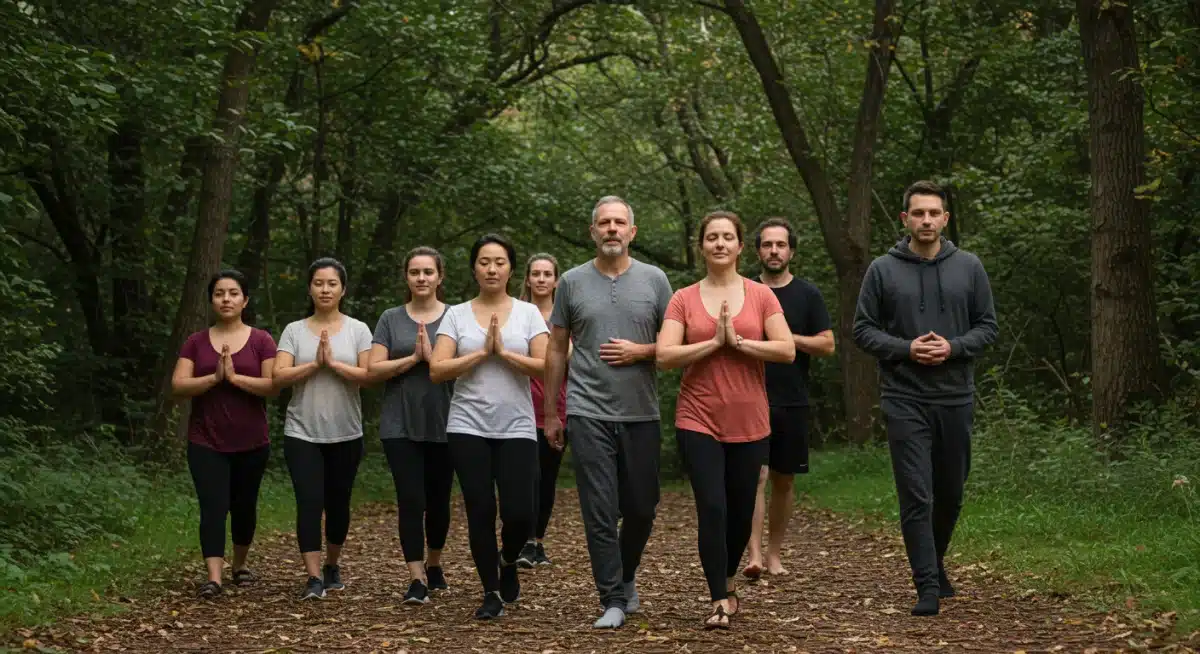
- Walking Meditation: Take a 15-20 minute walk outdoors, focusing on the sensations of your feet on the ground, the movement of your body, and the sights and sounds of nature. Let your mind observe rather than analyze. This is a powerful way to unlock your spiritual potential through movement.
- Nature Immersion: Spend at least 30 minutes in a natural setting (park, forest, garden) without distractions. Simply observe. Notice the intricate details of leaves, the patterns in bark, the behavior of animals. How does being in nature make you feel?
- Sensory Awareness Exercise: Choose one sense each day (sight, sound, smell, touch, taste) and spend 5-10 minutes deliberately engaging with it. For example, focus solely on the sounds around you, or the texture of an object in your hand.
Week 4: Review and Deepening Awareness
Goal: Consolidate learning from Month 1 and prepare for Month 2.
- Weekly Reflection: Review your journal entries from the past three weeks. What patterns do you notice? What insights have emerged? How has your awareness shifted?
- Extended Meditation: Increase your daily mindfulness meditation to 10-15 minutes. Experiment with different types of guided meditations if you wish.
- Gratitude Practice: Each day, list three things you are genuinely grateful for. This shifts your focus towards abundance and positivity, a crucial aspect of unlocking your spiritual potential.
- Mindful Movement (Yoga/Tai Chi): If interested, try a beginner’s yoga or Tai Chi class, or follow an online tutorial. These practices combine physical movement with breath awareness, further deepening your connection to your body.
By the end of Month 1, you should have a more grounded sense of presence and a greater understanding of your inner workings. This enhanced awareness is the bedrock upon which you will build deeper spiritual connections.
Month 2: Cultivating Connection – Expanding Your Spiritual Reach
Having established a foundation of awareness, Month 2 focuses on cultivating connection – with yourself, with others, and with the divine or universal energy, however you conceive it. This is where your spiritual potential truly begins to blossom, moving beyond individual introspection to embrace interconnectedness.
Week 5: Deepening Self-Connection and Self-Compassion
Goal: Foster a loving and accepting relationship with yourself.
- Self-Compassion Meditation: Practice guided meditations focused on self-compassion. Kristin Neff is a leading expert in this field and offers many free resources. Learn to treat yourself with the same kindness and understanding you would offer a dear friend.
- Inner Child Work (Introduction): Reflect on your past and acknowledge any unmet needs or wounds from childhood. Write a letter to your younger self, offering comfort and understanding. This can be a profound step in healing and integrating all parts of yourself, vital for unlocking your spiritual potential.
- Affirmations: Create a few positive affirmations that resonate with you (e.g., ‘I am worthy of love,’ ‘I am capable and resilient’). Repeat them daily, especially when facing self-doubt.
- Boundary Setting: Identify areas in your life where you need to establish healthier boundaries, both with yourself and others. Practicing healthy boundaries is an act of self-love and self-respect.
Week 6: Connecting with Others through Empathy and Compassion
Goal: Enhance your ability to empathize and connect authentically with those around you.
- Metta (Loving-Kindness) Meditation: Practice Metta meditation, extending wishes of well-being first to yourself, then to loved ones, neutral persons, difficult persons, and finally to all beings. This powerful practice expands your capacity for compassion.
- Active Listening in Conversations: Continue your mindful listening practice, but now actively seek to understand the other person’s perspective and feelings, even if you don’t agree. Ask open-ended questions.
- Act of Kindness: Perform one random act of kindness each day, no matter how small. Notice the ripple effect it has on you and others. This embodies the spirit of connection.
- Forgiveness Practice: Reflect on any grudges or resentments you might be holding, either towards yourself or others. Begin a gentle practice of forgiveness, understanding that forgiveness is primarily for your own peace, not condoning actions. This frees up immense spiritual potential.

Week 7: Connecting with a Higher Power or Universal Energy
Goal: Explore and strengthen your connection to something greater than yourself.
- Spiritual Inquiry: Dedicate time to ponder questions like: ‘What does spirituality mean to me?’ ‘What is my purpose?’ ‘How do I define a higher power or universal energy?’ There are no right or wrong answers; the inquiry itself is the practice.
- Prayer or Intention Setting: If it resonates, engage in prayer in a way that feels authentic to you. If not, practice setting daily intentions. Focus on what you want to bring into your life or contribute to the world.
- Sacred Space Creation: Designate a small area in your home as a ‘sacred space.’ It could be a corner with a candle, a plant, or meaningful objects. Use this space for your spiritual practices.
- Reading Sacred Texts/Inspirational Literature: Explore texts, poetry, or philosophies that inspire you and deepen your understanding of spiritual concepts. This broadens your perspective and helps you unlock your spiritual potential.
Week 8: Community and Shared Practice
Goal: Engage with like-minded individuals and explore shared spiritual experiences.
- Find a Spiritual Community (Online or In-Person): Explore local meditation groups, yoga studios, spiritual centers, or online communities that align with your interests. Attending a class, workshop, or meeting can provide valuable support and connection.
- Conscious Conversation: Engage in conversations with friends, family, or community members about deeper topics. Share your spiritual insights and listen to theirs.
- Service to Others: Volunteer your time or resources for a cause you care about. Acts of service are powerful ways to connect with humanity and contribute to the greater good, enhancing your spiritual potential.
- Group Meditation/Chanting: If available, try participating in a group meditation or chanting session. The collective energy can be very powerful and foster a sense of unity.
By the end of Month 2, you should feel a greater sense of connection – inward, outward, and upward. This expanded sense of belonging and interdependence is a hallmark of a flourishing spiritual life.
Month 3: Integrating Spirituality into Daily Life – Living Your Purpose
The final month is all about integration. It’s not enough to practice spirituality in isolated moments; the true work lies in weaving these practices into the fabric of your everyday existence. This month, we focus on making your spiritual potential a living, breathing part of who you are and how you interact with the world.
Week 9: Mindful Living and Conscious Choices
Goal: Apply mindfulness and awareness to all aspects of daily life.
- Conscious Consumption: Pay attention to what you consume – food, media, information. Choose consciously what nourishes your body, mind, and spirit, and what detracts from your well-being.
- Mindful Communication: Before speaking, pause and ask yourself: ‘Is it true? Is it kind? Is it necessary?’ Practice communicating with intention and integrity.
- Simplification: Identify areas in your life where you can simplify – decluttering your physical space, streamlining your schedule, or reducing commitments. Less external clutter often leads to more internal clarity.
- Response vs. Reaction: In situations that typically trigger a strong emotional reaction, practice pausing. Take a few deep breaths and choose your response consciously, rather than reacting impulsively. This is a powerful way to demonstrate your unlocked spiritual potential.
Week 10: Embracing Challenges and Cultivating Resilience
Goal: Develop spiritual resilience and find growth opportunities in difficulties.
- Reframing Challenges: When faced with a difficult situation, consciously try to reframe it as an opportunity for growth, a lesson, or a chance to practice patience and compassion.
- Resilience Practices: Incorporate practices that build resilience, such as spending time in nature, engaging in creative expression, or connecting with supportive friends.
- Shadow Work (Gentle Introduction): Begin to explore aspects of yourself you might typically suppress or deny. Acknowledge these ‘shadow’ parts with self-compassion, understanding they are part of your whole being. This can be done through journaling or guided contemplation.
- Acceptance Meditation: Practice meditations focused on radical acceptance – accepting what is, even if you don’t like it. This doesn’t mean condoning, but rather acknowledging reality to reduce suffering.
Week 11: Living Your Purpose and Contribution
Goal: Align your actions with your values and contribute meaningfully to the world.
- Purpose Reflection: Revisit your values and reflect on how you can align your daily actions, work, and relationships more closely with your purpose. What unique gifts do you have to offer?
- Vision Board/Future Self Visualization: Create a vision board or regularly visualize your ‘future self’ living a life aligned with your spiritual values and purpose. What does that look like? How does it feel?
- Small Acts of Generosity: Beyond formal volunteering, look for daily opportunities to be generous with your time, attention, or resources. This reinforces your connection to others and your sense of contribution.
- Creative Expression: Engage in a form of creative expression – writing, painting, music, dance – as a spiritual practice. Creativity can be a powerful channel for expressing your inner world and unlocking your spiritual potential.
Week 12: Sustaining Your Spiritual Journey and Integration
Goal: Create a sustainable personal spiritual practice for ongoing growth.
- Develop a Personal Practice Routine: Based on what resonated most with you over the past three months, design a sustainable daily or weekly spiritual practice routine. This might include meditation, journaling, nature walks, or reflective reading.
- Regular Check-ins: Schedule monthly or quarterly ‘spiritual check-ins’ with yourself. Review your values, assess your connections, and adjust your practices as needed.
- Seek Mentorship/Guidance: Consider finding a spiritual mentor, coach, or joining a long-term study group if you feel called to deepen your exploration.
- Celebrate Your Growth: Take time to acknowledge and celebrate how far you’ve come. Recognize the profound shifts and insights you’ve gained over these three months. This affirmation fuels future growth and helps solidify your unlocked spiritual potential.
Sustaining Your Spiritual Potential Beyond 3 Months
The end of this 3-month guide is not the end of your spiritual journey; it’s merely the beginning of a more conscious and intentional path. Spiritual growth is a lifelong process, filled with seasons of expansion, challenges, and deeper understanding. To truly unlock your spiritual potential and maintain it, consistency and adaptability are key.
Embrace Imperfection and Patience
There will be days when your practice feels effortless and profound, and days when it feels like a chore. That’s perfectly normal. Don’t strive for perfection; strive for consistency. If you miss a day or a week, simply return to your practice without judgment. Spiritual growth unfolds at its own pace, and patience with yourself is paramount.
Continual Learning and Exploration
The spiritual landscape is vast and rich. Continue to read, listen, and explore different philosophies, traditions, and teachers that resonate with you. Attend workshops, retreats, or online courses. Learning keeps your mind open and your spirit engaged, constantly expanding your spiritual potential.
Journaling as a Lifelong Companion
Your journal can become a trusted companion on your spiritual path. It’s a space to process thoughts, track insights, release emotions, and document your growth over time. Reviewing past entries can provide powerful reminders of your journey and the progress you’ve made.
The Power of Community
While much of spiritual work is internal, connecting with others who are also on a spiritual path can be incredibly nourishing. Share your experiences, listen to others, and find support in a community that understands and encourages your growth. This sense of shared journey reinforces your ability to unlock your spiritual potential.
Practice Self-Care as a Spiritual Discipline
Looking after your physical, mental, and emotional well-being is not separate from your spiritual journey; it is an integral part of it. Prioritize sleep, nutrition, movement, and healthy relationships. When your basic needs are met, you have more energy and capacity for spiritual exploration.
Mindful Living in the Mundane
Remember that spirituality isn’t just about grand revelations or deep meditations. It’s about bringing awareness, intention, and love to the seemingly mundane moments of life. The way you wash dishes, interact with a cashier, or sit in traffic can all become opportunities for spiritual practice if approached with mindfulness. This constant integration is the ultimate expression of your unlocked spiritual potential.
Conclusion: Your Ongoing Journey to Unlock Your Spiritual Potential
Embarking on this 3-month guide to unlock your spiritual potential is a courageous step towards a more fulfilling and meaningful life. By systematically cultivating awareness, deepening your connections, and integrating these practices into your daily existence, you are actively shaping a richer inner world and a more compassionate outer presence. This journey is deeply personal, yet universally shared – the quest for meaning, connection, and transcendence.
Remember, there is no finish line in spiritual growth. It is an unfolding process, a continuous dance of discovery and integration. Embrace the journey with an open heart, a curious mind, and a gentle spirit. The tools and insights you’ve gained over these three months are yours to keep, adapt, and expand upon. May you continue to explore the boundless depths of your spiritual potential, finding peace, purpose, and profound connection along the way.