Mastering Inner Peace: 7 Meditation Techniques for Spiritual Growth
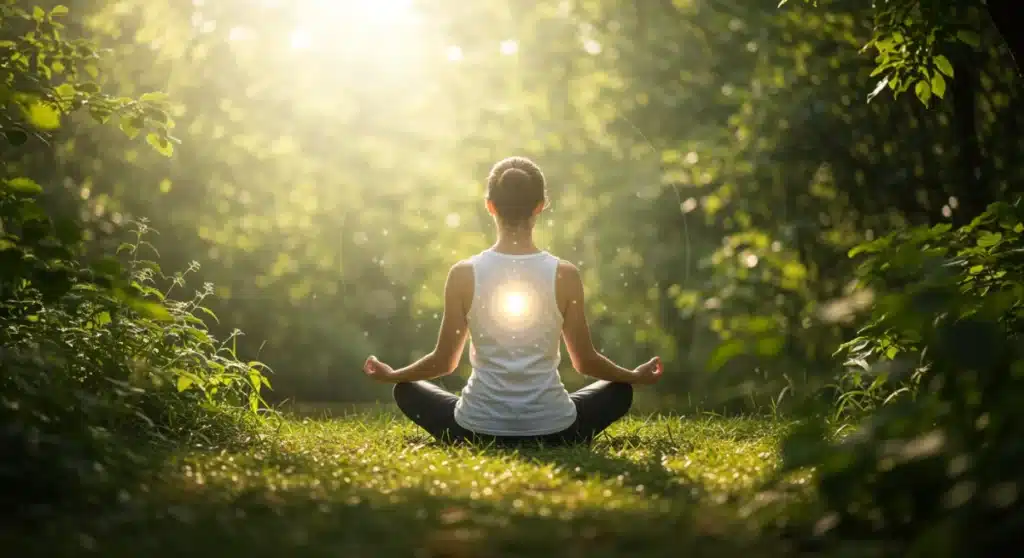
Achieving inner peace and spiritual growth in 2026 is highly attainable through consistent meditation practices, with recent US studies highlighting the profound benefits of specific techniques for mental well-being and personal development.
In our increasingly complex world, the quest for inner tranquility and spiritual depth has become more vital than ever. Mastering Inner Peace: 7 Meditation Techniques for Spiritual Growth in 2026, Backed by Recent US Studies offers a practical pathway to cultivate serenity amidst life’s demands, illuminating how ancient wisdom, supported by contemporary research, can transform your existence.
Understanding the Call for Inner Peace in Modern Life
The pace of modern life often leaves us feeling overwhelmed, disconnected, and perpetually seeking a sense of calm. The constant bombardment of information, coupled with societal pressures, can erode our natural state of peace, leading to stress, anxiety, and a feeling of spiritual void. This collective yearning for tranquility is not merely a passing trend but a deep-seated human need, now more recognized than ever.
Recent sociological and psychological studies conducted across the United States in 2024-2025 consistently show a significant increase in reported stress levels among adults. This data underscores the urgent need for effective coping mechanisms and practices that foster mental resilience and emotional balance. Meditation emerges as a leading contender in this regard, offering a time-tested solution that is gaining renewed scientific validation.
The impact of chronic stress on well-being
Chronic stress has far-reaching implications, affecting not only our mental state but also our physical health and spiritual connection. It can manifest as sleep disturbances, digestive issues, weakened immune response, and a general sense of unease. Spiritually, stress can block our ability to connect with our higher selves, hindering growth and clarity.
- Reduced cognitive function and focus.
- Increased risk of heart disease and other chronic conditions.
- Diminished emotional regulation and increased irritability.
- Impaired spiritual intuition and sense of purpose.
By actively seeking methods to mitigate stress and cultivate inner peace, we are not just addressing symptoms but are investing in a holistic approach to well-being. This proactive stance is crucial for navigating the complexities of modern existence with grace and resilience, setting the stage for profound spiritual growth.
The Scientific Validation of Meditation for Spiritual Growth
While meditation has ancient roots, its profound benefits are continually being validated by contemporary scientific research, particularly in the United States. Studies from prominent institutions like Harvard and Stanford are shedding light on how these practices physically alter the brain, enhance emotional regulation, and foster a deeper sense of spiritual connection. This empirical evidence provides a compelling reason to integrate meditation into daily life.
Neuroimaging studies, for instance, have shown that regular meditation can increase gray matter in areas of the brain associated with self-awareness, compassion, and introspection. This structural change correlates with improved emotional stability and a greater capacity for empathy, both critical components of spiritual growth. The scientific community is increasingly recognizing meditation not just as a relaxation technique but as a powerful tool for cognitive and spiritual enhancement.
Key findings from US research
Recent US-based studies highlight several key benefits of meditation:
- Reduced Amygdala Activity: Decreased activity in the amygdala, the brain’s fear center, leading to reduced anxiety and stress responses.
- Increased Prefrontal Cortex Activity: Enhanced activity in the prefrontal cortex, associated with attention, decision-making, and emotional control.
- Improved Sleep Quality: Participants report better sleep patterns and reduced insomnia through regular practice.
- Enhanced Immune Function: Some studies suggest a positive impact on the immune system, making individuals more resilient to illness.
These findings collectively reinforce the idea that meditation is not merely a subjective experience but a tangible pathway to improving mental, emotional, and spiritual health. The scientific backing helps demystify meditation, making it more accessible and credible to a broader audience seeking evidence-based methods for personal development.
Technique 1: Mindfulness Meditation for Present Moment Awareness
Mindfulness meditation is perhaps one of the most widely recognized and extensively researched forms of meditation, focusing on bringing one’s attention to the present moment without judgment. This practice involves observing thoughts, feelings, and bodily sensations as they arise, allowing them to pass without getting caught up in their narrative. Its simplicity belies its profound capacity to cultivate inner peace and clarity.
The essence of mindfulness lies in non-reactivity. Instead of being swept away by internal or external distractions, practitioners learn to acknowledge them from a place of calm observation. This detachment from mental chatter is crucial for reducing stress and anxiety, creating mental space for spiritual insights to emerge. It teaches us to live more fully in the ‘now’, rather than dwelling on the past or worrying about the future.
How to practice mindfulness meditation
Starting mindfulness meditation is straightforward, making it accessible for beginners. The core practice involves finding a quiet space, sitting comfortably, and focusing on the breath as an anchor to the present moment. When the mind wanders, gently guide it back to the breath, without self-criticism.
- Find a comfortable sitting position, either on a cushion or a chair.
- Close your eyes gently or keep a soft gaze downwards.
- Bring your attention to the sensation of your breath, noticing the inhale and exhale.
- When your mind wanders, acknowledge the thought without judgment, and return your focus to your breath.
Consistent practice, even for short durations, can significantly enhance your ability to stay present and centered throughout the day. This heightened awareness not only reduces stress but also opens the door to deeper self-understanding and spiritual connection, fostering a sense of enduring peace.
Technique 2: Transcendental Meditation (TM) for Deep Relaxation
Transcendental Meditation (TM) is a specific form of silent mantra meditation that involves using a unique mantra assigned by a certified instructor. This technique is practiced for 15-20 minutes twice a day, typically sitting comfortably with eyes closed. TM is renowned for its ability to induce a state of deep relaxation and profound inner calm, distinguishing it from other meditation forms.
Unlike mindfulness, which emphasizes observation without judgment, TM aims to transcend the active thinking mind to access deeper levels of consciousness. The mantra acts as a vehicle, allowing the mind to settle naturally and effortlessly into a state of restful alertness. This process is believed to reduce mental stress and promote a more harmonious functioning of the mind and body.

The benefits of TM as revealed by research
Numerous studies, including those funded by the National Institutes of Health in the US, have investigated the physiological and psychological effects of TM. These studies often highlight its effectiveness in reducing blood pressure, decreasing anxiety, and improving cardiovascular health. The deep rest achieved during TM is often described as being deeper than sleep, leading to significant stress reduction.
- Significant reduction in symptoms of anxiety and depression.
- Improved cardiovascular health, including lower blood pressure.
- Enhanced cognitive function and creativity.
- Increased resilience to stress and improved overall well-being.
The structured and effortless nature of TM makes it an appealing option for those seeking a powerful and consistent method for deep relaxation and spiritual exploration. Its proven track record, backed by extensive research, provides a strong foundation for its inclusion in a journey towards inner peace.
Technique 3: Loving-Kindness Meditation (Metta) for Compassion
Loving-Kindness Meditation, or Metta, is a practice aimed at cultivating unconditional love and compassion towards oneself and others. Unlike techniques focused on breath or mantras, Metta involves silently repeating phrases that express wishes of well-being, safety, and happiness. This practice is particularly potent for fostering emotional warmth, reducing negativity, and enhancing interpersonal relationships, all vital aspects of spiritual growth.
The beauty of Metta lies in its ability to transform internal states, gradually dissolving feelings of anger, resentment, and isolation. By systematically extending wishes of kindness, first to oneself, then to loved ones, neutral persons, difficult people, and finally to all beings, practitioners develop a boundless sense of compassion. This expansion of the heart is a cornerstone of many spiritual traditions.
Structuring your Metta practice
A typical Metta practice follows a specific sequence to gradually broaden the scope of your loving-kindness:
- Self-Compassion: Begin by directing loving-kindness towards yourself. Phrases like ‘May I be free from suffering. May I be happy. May I be at peace.’ are commonly used.
- Loved Ones: Extend these wishes to family and friends.
- Neutral Persons: Include acquaintances or people you feel neutral towards.
- Difficult Persons: This is often the most challenging but transformative step, wishing well-being even to those who have caused you difficulty.
- All Beings: Conclude by extending loving-kindness to all living beings, everywhere.
Regular engagement with Loving-Kindness Meditation can profoundly shift one’s emotional landscape, leading to greater empathy, reduced stress, and a more profound sense of interconnectedness. This technique is a powerful catalyst for spiritual growth, fostering an open heart and a compassionate mind.
Technique 4: Vipassana Meditation for Insight
Vipassana, meaning ‘to see things as they really are,’ is one of India’s most ancient meditation techniques. It is a rigorous practice that focuses on self-observation through a deep examination of the mind and body. Unlike other techniques that might involve focusing on a specific object, Vipassana emphasizes observing the constantly changing nature of physical and mental phenomena, aiming to gain insight into the true nature of reality.
This practice typically involves extended periods of silent meditation, often in retreat settings, where practitioners meticulously observe sensations in the body and the flow of thoughts without reaction. The goal is to develop equanimity, a state of mental calmness and stability, allowing one to face life’s ups and downs with greater balance and wisdom. It is a path to profound self-discovery and liberation from suffering.
The journey of self-observation in Vipassana
Vipassana meditation is often taught in 10-day residential courses, where participants are guided through the systematic observation of their bodily sensations and mental states. The practice emphasizes:
- Anapana Sati: Initially focusing on the natural, normal breath to calm and concentrate the mind.
- Body Scan: Systematically moving attention through different parts of the body, observing sensations without judgment.
- Equanimity: Cultivating a balanced mind that does not react with craving or aversion to sensations or thoughts.
Through this deep self-observation, practitioners often report profound insights into their own conditioned patterns and the impermanent nature of all phenomena. This understanding can lead to significant spiritual growth, fostering a sense of inner freedom and lasting peace by seeing reality clearly.
Technique 5: Yoga and Movement Meditation for Embodied Spirituality
While often associated with physical postures, yoga is fundamentally a form of movement meditation that integrates the body, mind, and spirit. It involves a series of physical poses (asanas), breathing exercises (pranayama), and meditation, all designed to cultivate awareness, flexibility, and strength. Yoga offers a dynamic approach to spiritual growth, allowing practitioners to connect with their inner self through bodily experience.
The beauty of yoga lies in its holistic nature. Each posture is not just a physical exercise but an opportunity for mindful movement and breath awareness. This integrated practice helps to release tension, improve circulation, and calm the nervous system, creating an optimal state for meditation and spiritual introspection. It teaches us to listen to our bodies and to find stillness within movement.
Integrating yoga into your spiritual practice
There are various styles of yoga, each offering unique benefits for spiritual growth:
- Hatha Yoga: A gentle introduction to basic postures and breathing, ideal for beginners.
- Vinyasa Flow: A dynamic practice where movements are synchronized with breath, promoting fluidity and mental focus.
- Restorative Yoga: Focuses on deep relaxation and passive stretching, using props to support the body, perfect for stress reduction.
- Kundalini Yoga: Emphasizes breathwork, chanting, and specific postures to awaken spiritual energy.
Regardless of the style, the consistent practice of yoga can lead to a deeper connection with one’s body, a calmer mind, and an enhanced sense of spiritual well-being. It’s a powerful way to embody peace and integrate spiritual principles into daily physical experience.
Technique 6: Sound Bath Meditation for Vibrational Healing
Sound bath meditation is an immersive experience where participants are ‘bathed’ in sound waves produced by various instruments such as singing bowls, gongs, chimes, and other therapeutic instruments. The vibrations and frequencies are believed to penetrate the body, promoting deep relaxation, stress reduction, and even physical healing. This technique offers a unique pathway to inner peace and spiritual connection through auditory sensation.
The principle behind sound baths is that sound can alter brainwave states, moving the mind from an active beta state to more relaxed alpha and theta states, similar to those achieved during deep meditation or sleep. This shift allows for profound relaxation and can facilitate a release of emotional blockages, promoting a sense of harmony and energetic alignment. It’s a passive yet deeply impactful form of meditation.
The instruments and their effects
Various instruments are used in sound bath meditations, each contributing unique frequencies and vibrations:
- Tibetan Singing Bowls: Produce rich, sustained tones that resonate deeply, often used for chakra balancing.
- Crystal Singing Bowls: Create pure, resonant tones believed to align with specific energy centers in the body.
- Gongs: Generate powerful, immersive sounds that can induce a trance-like state and facilitate emotional release.
- Chimes and Tuning Forks: Used for subtle energy work and fine-tuning the body’s vibrational field.
Participating in a sound bath can be a deeply transformative experience, offering a unique opportunity to release tension, quiet the mind, and connect with a deeper sense of spiritual peace. The gentle yet powerful vibrations can soothe the nervous system and open pathways for profound healing and introspection.
Technique 7: Walking Meditation for Grounded Awareness
Walking meditation is a practice that brings mindful awareness to the act of walking. Instead of rushing from one place to another, practitioners slow down, paying close attention to the sensations of their feet touching the ground, the movement of their legs, and the rhythm of their breath. This technique offers a dynamic alternative to seated meditation, allowing for spiritual growth and inner peace to be cultivated while engaging with the physical world.
This practice is particularly beneficial for those who find it challenging to sit still for extended periods or who wish to integrate mindfulness into their daily activities. It helps to ground the mind in the present moment, reducing mental chatter and fostering a deeper connection to the earth and one’s own body. It transforms an ordinary activity into a profound spiritual practice.
Steps to practice walking meditation
Engaging in walking meditation can be done anywhere, from a quiet park to your own backyard:
- Find a Quiet Space: Choose a path where you won’t be easily disturbed.
- Slow Your Pace: Intentionally walk slower than your usual pace, noticing each step.
- Feel Your Feet: Pay attention to the sensations of your feet lifting and touching the ground.
- Coordinate with Breath: Gently synchronize your steps with your breath, if comfortable.
- Observe Without Judgment: Notice any thoughts or distractions, and gently return your focus to your walking.
Walking meditation is an accessible and powerful way to cultivate presence, reduce stress, and connect with your inner self. It demonstrates that spiritual practice isn’t confined to a specific place or posture but can be integrated into the rhythm of everyday life, leading to a more grounded and peaceful existence.
| Technique | Core Benefit |
|---|---|
| Mindfulness Meditation | Cultivates present moment awareness and reduces stress. |
| Transcendental Meditation | Induces deep relaxation and reduces anxiety. |
| Loving-Kindness Meditation | Fosters compassion and emotional warmth towards self and others. |
| Vipassana Meditation | Develops deep insight into the nature of reality and self. |
Frequently Asked Questions About Meditation and Spiritual Growth
Many individuals report feeling calmer and more focused after just a few weeks of consistent practice, even for short durations. Deeper spiritual insights and profound inner peace often develop over several months to years, depending on the regularity and depth of practice.
While a qualified teacher or guru can provide invaluable guidance and support, especially for complex techniques like TM or Vipassana, many basic meditation practices like mindfulness can be started with online resources or apps. Personal instruction can deepen your practice.
Yes, numerous US studies have shown meditation to be an effective complementary therapy for reducing symptoms of anxiety and depression. It helps calm the nervous system and fosters emotional regulation. However, it should not replace professional medical treatment.
Spiritual growth refers to an individual’s journey of self-discovery, connection to a higher purpose, and cultivation of virtues like compassion and wisdom. While religion can be a path to spiritual growth, the two are not synonymous. Many meditation techniques are secular.
It is entirely normal for the mind to wander during meditation. The practice isn’t about stopping thoughts but about noticing when your mind has strayed and gently bringing it back to your anchor (e.g., breath or mantra) without judgment. This act of returning is the meditation itself.
Conclusion
The journey to mastering inner peace and fostering spiritual growth in 2026 is an accessible and profoundly rewarding endeavor, supported by both ancient wisdom and modern scientific inquiry. The seven meditation techniques explored—Mindfulness, Transcendental Meditation, Loving-Kindness, Vipassana, Yoga, Sound Bath, and Walking Meditation—each offer a unique pathway to cultivate serenity, reduce stress, and deepen your connection to your inner self. As recent US studies consistently underscore the tangible benefits of these practices, there has never been a more opportune time to integrate them into your daily life. By committing to even a few minutes of meditation each day, you can embark on a transformative journey, discovering a wellspring of peace and resilience that resides within you, ready to be tapped.